Improving Grid Stability under High Renewable Penetration: Optimal Flexibility Reserve Provision Using Short- and Long-Duration Energy Storage Technologies
Authors
Gergo VARHEGYI, Mutasim NOUR - Heriot-Watt University, Dubai, United Arab Emirates

Summary
The integration of high shares of renewable energy sources introduces variability and uncertainty that challenge the reliability of the power system. This paper investigates the role of short- and long-duration energy storage technologies in providing flexibility and reserve services under high renewable penetration scenarios. A co-optimisation modelling framework is developed in PLEXOS for a 23-node benchmark network representing future Gulf Cooperation Council system characteristics. The model simultaneously optimises capacity investment and dispatch while co-optimising energy, regulation, spinning, and inertia reserves. Technologies assessed include lithium-ion batteries, flow batteries, flywheels, compressed air energy storage, and hydrogen-based long-duration storage using proton exchange membrane electrolysers coupled with gas turbines. The results demonstrate that coordinated deployment of complementary storage technologies can maintain reliability targets while enabling very high renewable penetration. The framework also provides practical guidance for modelling energy-constrained resources in market-based simulations, supporting planners and system operators in designing resilient, low-carbon power systems.
Keywords
energy storage, PLEXOS, renewables, storage optimizationBESS - Battery Energy Storage System
CAES - Compressed Air Energy System
CAPEX - Capital Expenditure
ESS - Energy Storage System
EV - Electric Vechile
GT - Gs Turbine
LDES - Long Duration Energy Storage
LOLP - Loss of Load Probability
GCC - Guld Cooperation Council
MENA - Middle East and North Africa
OPEX - Operation Cost
PEM - Proton Exchange Membrane
PHS - Pumped Hydro Storage
PV - Photo Voltaic
RES - Renewable Energy Source
SDES - Short Duration Energy Storage
UsE - Unserved Energy
VO&M - Variable Operation and Maintenance
1. Introduction
The accelerated deployment of renewable energy sources (RES) is transforming power system planning and operation globally, including in the Gulf Cooperation Council (GCC) region, where rising electricity demand coincides with ambitious decarbonization goals [1]. The variability and limited dispatchability of solar and wind generation pose significant challenges for maintaining system reliability and operational flexibility [2]. In this context, energy storage technologies, spanning short-duration solutions such as lithium-ion batteries to long-duration systems such as hydrogen and compressed air, are expected to play a vital role in enabling secure, high-RES power systems.
This paper presents a comprehensive techno-economic assessment of short- and long-duration energy storage technologies under high renewable penetration. The analysis is based on a purpose-built 23-node benchmark network representing a stylized future GCC power system. A structured four-stage modeling framework is developed in PLEXOS [3] to evaluate storage deployment and operational performance. The framework includes: (1) long-term capacity expansion planning, (2) resource adequacy assessment, (3) storage volume optimization, and (4) detailed production cost simulation.
In addition to quantifying the system value of storage technologies, the study provides a detailed methodology for modeling energy-constrained resources for reserve provision within PLEXOS. The simulations explicitly co-optimize multiple reserve types [4], including capacity reserves, spin-up, regulation-raise, and inertia reserves, while respecting the technical constraints of each storage technology.
2. Literature Review
The integration of high level of renewable energy sources (RES) into power systems has been widely studied, particularly regarding the operational flexibility and long-term planning required to maintain system stability. Welsch et al. [4] and Brouwer et al. [5] emphasise the importance of incorporating flexibility constraints directly into planning models to accurately reflect reserve and balance needs in high-RES systems. Beyza and Yusta [6] further highlight the reliability and vulnerability implications of increasing RES penetration in interconnected grids. In the context of the Gulf and MENA regions, Al Naimi et al. [7] use mixed integer linear programming to forecast the energy mix of Abu Dhabi, highlighting the shift towards cleaner technologies. Hamdi et al. [8] and El-Sayed et al. [9] explore how energy storage systems (ESS) can support national transitions to renewable-dominant energy mixes, particularly under operational constraints and long-term adequacy targets.
Several recent studies also assess the techno-economic optimisation of energy storage technologies under future energy scenarios. Amiruddin et al. [10, 11] model storage deployment and configuration strategies using PLEXOS for Indonesia, providing insights into how ESS can support 100% renewable grids while maintaining reliability metrics such as Loss of Load Probability (LOLP) and Unserved Energy (UsE). Similarly, O’Dwyer and Flynn [12] focus on the role of storage in managing sub-hourly net load variability, while De Silva et al. [13] analyse the evolving function of hydropower in systems with growing shares of variable RES. The potential of green hydrogen has also gained traction. Ahern et al. [14] discuss its role in smart energy systems, while Herc et al. [15] compare hydrogen-focused modelling tools with conventional system planning models. These studies collectively recognise the importance of modelling long-duration energy storage technologies and their ability to provide both energyshifting and reserve services.
Various energy storage technologies and flexible loads also appear frequently in the literature as enablers of grid flexibility. Hungerford et al. [16], Tomi et al. [17], show how the integration of EVs can complement renewable generation and reduce the cost of generation. Region-specific studies by Matthew and Spataru [18] and Dalala et al. [19] further explore renewable integration challenges, including the geographic distribution of resources and transmission bottlenecks. Lin et al. [20] emphasise the benefits of geographically dispersed renewable generation and large balancing areas to improve grid flexibility, a highly relevant consideration for future GCC interconnection and market strategies.
Although many of these studies explore storage, flexibility, or market impacts, few provide detailed guidance on modelling energy-constrained resources for reserve provision in commercial tools such as PLEXOS. PLEXOS simulations in the current literature focus only on capacity expansion studies, without looking into detailed resource adequacy assessment and production cost modelling. Specifically, hydrogen-fuelled generation and CAES systems require special modelling considerations when participating in spinning or regulation reserves because of their storage-linked fuel constraints. This paper contributes to closing this gap by presenting a structured four-stage PLEXOS-based modelling framework that incorporates technical and economic characteristics of both short- and long-duration storage technologies, ensuring that reserve requirements and reliability targets can be simultaneously met in a 100% RES power system.
3. Study Methodology
As a first step in the study, the subject’s short-duration (SDES) and long-duration (LDES) energy storage technologies were individually modelled and tested using a simplified PLEXOS system. This test setup consisted of a single renewable source, a single load, and one active storage technology at a time. The purpose of this exercise was to evaluate the basic operational behaviour and performance limits of each storage type under variable renewable and load conditions. Two types of reserve products, spin-up and regulation-raise, were defined to simulate flexibility requirements as a result of renewable intermittency and sudden load fluctuations. Such reserves are mutually exclusive [21], therefore, the available storage capacity must be adequate to cover both, simultaneously.
A two-hour simulation was implemented. In the first hour, renewable generation was assumed to be sufficient to fully meet demand and charge the active storage unit. In the second hour, insufficient renewable generation was assumed, where the storage system had to cover both the energy demand and the reserve requirements, constrained by its rated power and energy capacity. This setup provided a controlled environment to benchmark the reserve delivery capabilities and the charging/discharging dynamics of each technology.
The full simulation framework was based on the standard SAVNW.SAV case in PSSE [22], a 23-bus system representing a typical Gulf Co-operation Council (GCC) power grid with 100% conventional generation. This was used as the baseline to reflect current system conditions. The steady-state model was exported to PLEXOS to enable the techno-economic sizing of energy storage technologies under high-renewable penetration scenarios. Hourly resolution was used to capture load variations, while renewable energy sources (RES) were introduced using stochastic models to represent intermittency [23]. Historical wind and solar irradiance profiles were processed using Monte Carlo-based sampling techniques [24], generating randomised output profiles for RES generation [25]. Each renewable generation profile was assumed to be only an expected value. 10 random samples were generated for each RES profile by assuming 0% auto correlation between the profiles and 15% and 5% error of standard deviation for wind and solar profiles, respectively.
Candidate renewable energy sources were modeled at the same nodes where conventional generators were connected in the 2024 base-year scenario. It was assumed that all existing conventional capacity would be fully phased out and replaced by renewables within the first ten years of the planning horizon. A balanced future portfolio comprising 50% solar PV and 50% wind was adopted. Energy storage technologies were deployed in alignment with regional network characteristics. 10 hour redox flow battery energy storage systems (BESS) were enabled at each renewable generation site, while 4 hour lithium-ion BESS units were placed at the highest-voltage bus in each region to provide regional flexibility. Flywheel storage systems were only permitted at nodes previously hosting conventional generators, given their suitability for fast-response ancillary services. Proton exchange membrane electrolyzers paired with hydrogen gas turbines (PEM-GT) were modeled as long-duration energy storage candidates. While compressed air energy storage (CAES) was also considered, its geographical siting limitations made hydrogen-based storage a more versatile option. Candidate nodes for PEM-GT systems were selected as the highest-demand nodes within each region, thereby minimizing the need for long-distance power transfers and reducing the risk of transmission congestion.
Storage modelling incorporated technical specifications, capital and operational costs, and degradation assumptions. Market-relevant parameters such as balancing requirements, reserve products, and remuneration mechanisms were also integrated.
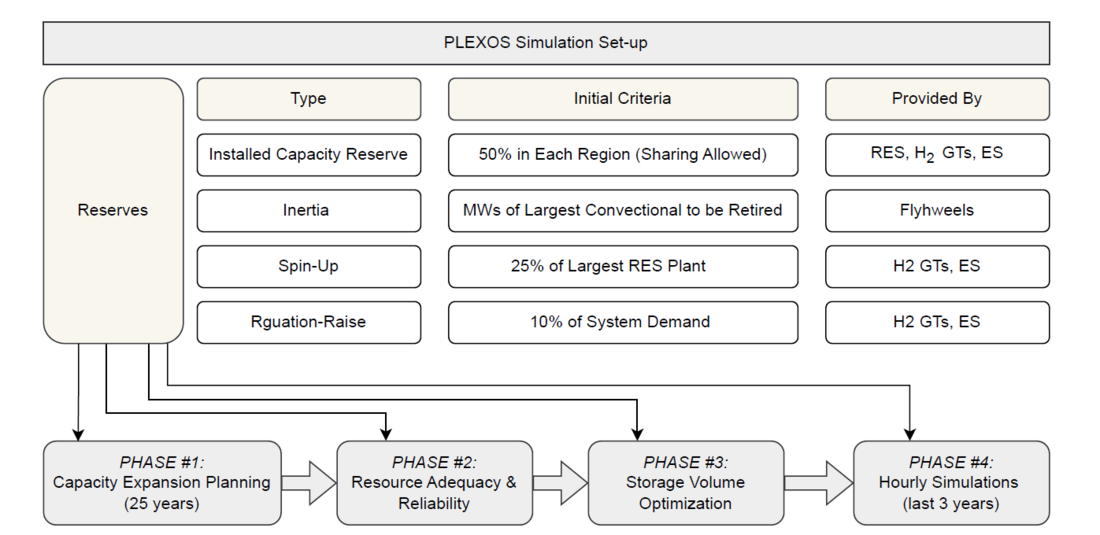
Figure 1 - Simulation Methodology Overview
Figure 1 shows the overall simulation methodology, while Table 1 shows the defined reserve targets. A minimum capacity reserve margin was applied to each region of the network, in line with recommended planning thresholds. Renewable energy candidates were permitted to contribute to these reserves based on their capacity factors, reflecting their effective load-carrying capability. Dispatchable generation technologies, such as hydrogen gas turbines (H2 GTs) were counted at their full nominal capacities. Battery energy storage systems (BESS) were included in capacity reserve calculations at 50% of their rated power. For the provision of operating reserves, specifically spin-up and regulation raise, 10% of the BESS capacity and 100% of H2 GT capacity were made available. This approach enabled energy storage systems to contribute to system balance without significantly restricting their dispatch potential for energy provision. Inertia reserves were provided by flywheels.
| Reserve | Target | VoRS |
|---|---|---|
| Type | [MW] | [$/MWh] |
| Capacity | Minimum 50% | 1000 |
| Spin-Up | 25% of largest generator | 100 |
| Regulation-Raise | 10% of system demand | 200 |
| Inertia | Largest Conventional Unit | 500 |
The base year for the data was 2024, and the planning horizon extended from 2025 to 2049 (25 years). The imported conventional generators were assigned fixed and variable costs, while the candidate RES and storage technologies were added with respective capital (CAPEX) and operating expenditure (OPEX in terms of Variable Operating and Maintenance cost - VO&M) figures. Hourly demand projections (load forecast) were developed for each year of the study horizon. Reliability modelling included forced outage rates for all resources, and system-level targets were set for capacity, spin-up, regulation-raise, and inertia reserves.
The first phase involved long-term capacity expansion modelling [26] to identify the optimal mix of energy storage technologies that could satisfy the LOLP and UsE targets at a minimum system cost. To manage the complexity of the problem, input profiles were sampled at one day a month, capturing seasonal variability. The transmission network was simplified to regional interconnects only to reduce the computational burden. RES penetration progressively increased to reach 100% in the tenth year (2034), representing an aggressive transition scenario. Given that transmission upgrades typically lag RES development [27], a stepwise 20% increase in transmission capacity every five years was assumed.
Following capacity expansion, annual resource adequacy assessments [28] were performed to validate that the installed capacity could meet the reliability requirements of the system each year. This was followed by higher-resolution simulations (one week per month) using the full transmission model to refine storage sizing and dispatch patterns under more granular load and generation variations.
Finally, detailed production cost simulations [29] were run for the final three years (2047–2049) using full hourly demand and generation data and the complete network model. These simulations verified the technical and economic feasibility of the optimised storage fleet to support a fully renewable power system by meeting the defined reliability targets and maintaining the reserves simultaneously.
4. Simulation results and discussions
The initial test system as shown on Figure 2 was developed to evaluate the basic operational behavior and performance limits of each storage type under variable renewable and load conditions.
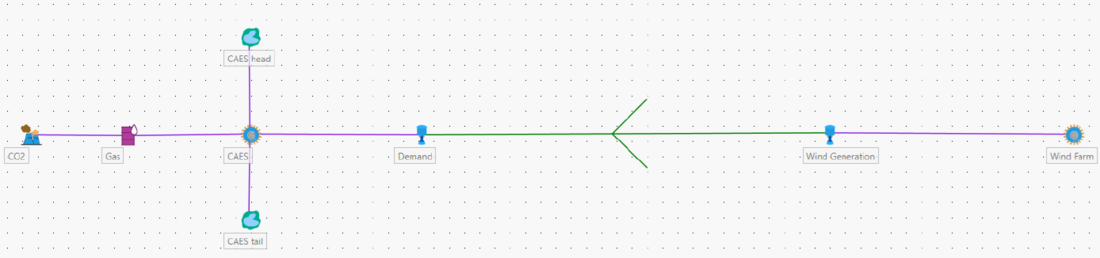
Figure 2 - PLEXOS Test System - CAES Case
The network consisted of the following dataset as per Table 2.
| Max. Capacity | VO&M | Heat Rate | Storage Duration | Efficiency | Pump Load | Fuel | Fuel Cost | |
|---|---|---|---|---|---|---|---|---|
| [MW] | [$/MWh] | [GJ/MWh] | [h] | [%] | [MW] | [Type] | [$/GJ] | |
| RES | 100 | 0.5 | N/A | N/A | N/A | N/A | N/A | N/A |
| CAES | 50 | 5 | 5 | 10 | 75 | 50 | Natural Gas | 20 |
| H2 GT | 50 | 5 | 5 | N/A | N/A | N/A | Hydrogen | Delivered Price |
| H2 PEM | 70 | 1 | N/A | N/A | 76.5 | N/A | N/A | N/A |
| BESS | 50 | 1 | N/A | 1 | 70 | N/A | N/A | N/A |
| Flywheel | 20 | 1 | N/A | 0.25 | 70 | N/A | N/A | N/A |
Table 3 shows the renewable generation output and demand variation figures used.
| RES Generation | Demand | Demand (Flywheel Case) | Demand (H2 System Case) | |
|---|---|---|---|---|
| [MW] | [MW] | [MW] | [MW] | |
| Hour 1 | 90 | 50 | 50 | 50 |
| Hour 2 | 0 | 30 | 4 | 10 |
Spin-up reverse was defined with 10MWminimum provision, lasting for 900 seconds (15 minutes) [4]. This is equivalent of 2.5 MWh energy provision associated with energy constrained storages. For regulation raise reserve, minimum provision of 20MWlasting for 1800 seconds (30 minutes) were defined [21], equaling to 10 MWh energy reserve. Unmet reserve was priced (Value of Reserve shortage, VoRS) at 200$ for spin-up and 100$ for regulation raise reserve, respectively.
Special consideration is required for technologies that have storage object associated to in PLEXOS [10, 11]. Accordingly, CAES (requiring head and tail storage, like pump hydro storage) and hydrogen PEM-GT pairs (requiring gas/hydrogen storage object) needs special modeling considerations.

4.1. CAES Modelling Considerations
The adiabatic CAES [30] system stores excess renewable energy in the underground salt cavern through air compression and then releases it for electricity generation without requiring external heat sources. This can be modelled by reduced heat rate relative to typical gas turbine units [31]. In line with modeling practices for pumped hydro energy storage, the CAES unit was represented using a generator connected to two storage objects—head and tail reservoirs—linked to a gas fuel source. A two-hour simulation was conducted. In the first hour, the CAES system consumed 40 MW of excess wind energy, storing 30 MWh in the head reservoir (based on 75%pump efficiency). The pumping cost is calculated based on the VO&M of RES and GT and the pump load:
40 MW × (0.5 $/MWh + 5 $/MWh) = 220 $ (1)
In the second hour, the CAES unit discharged 30 MW to meet demand. The marginal cost of CAES-based generation, reflecting the pumping energy cost, gas fuel price, heat rate and GT VO&M, was derived as:
(2)
During simulation, instead of the expected 30 MWh volume change in the head and tail reservoirs, PLEXOS reported a 150 MWh difference. Our investigation revealed that if the CAES is linked to fuel but no heat rate is specified, PLEXOS defaults to a 1 GJ/MWh heat rate, producing correct volume dynamics. However, when a 5 GJ/MWh heat rate is explicitly defined for the CAES, PLEXOS multiplies the volume change by this factor. Specifically, the linear programming (LP) files analysis showed (Figure 3) that:
- Without a heat rate, short run marginal cost (SRMC) is calculated as: 1 × 20 + 5 = 25$/MWh, and volume change aligns with 75% efficiency.
- With a heat rate of 5 GJ/MWh, PLEXOS scales the injection and withdrawal quantities by 5, affecting both energy and storage tracking.
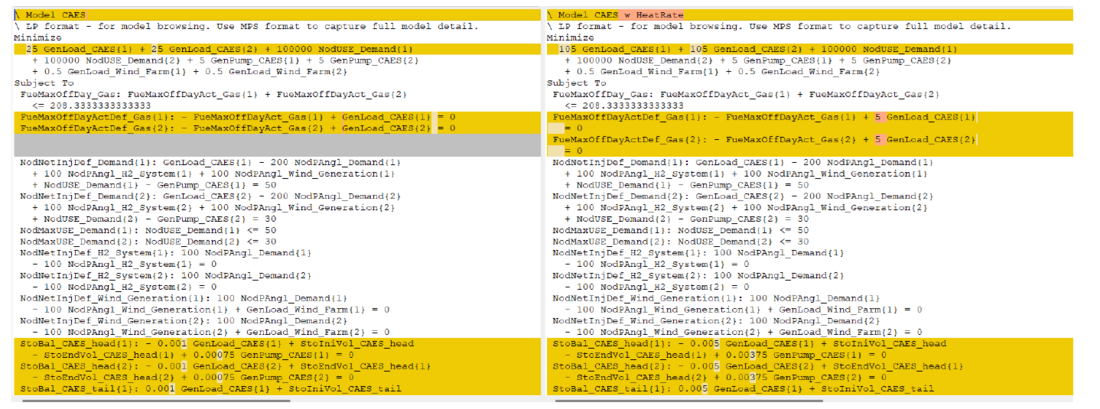
Figure 3 - Energy Generation by Machines (Energy Only Scenario)
To correct this, the storage object’s maximum volume must be rescaled. For a 50 MW, 10-hour CAES unit with a 5 GJ/MWh heat rate, the appropriate storage volume is:
50 MW × 10 h ×5 GJ/MWh = 2,500 MWh = 2.5 GWh
4.2. H2 PME-GT System Modelling Considerations
In the context of raise-type reserves—such as spin-up or regulation raise, two core conditions must be satisfied by any flexible resource:
- The sum of dispatched power and reserved capacity must not exceed the generator’s nameplate rating.
- Sufficient energy must be available in the associated storage system to fulfill the reserve obligation (such as state of charge for BESS, head/tail storage for CAES, PHS).
For BESS, and PHS, PLEXOS automatically reserves energy in storage for reserve provision. For CAES the above approach is required to the be followed. However, for hydrogen-based systems—such as a green hydrogen facility comprising a PEM and H2 GT, PLEXOS does not natively reserve hydrogen stored in the associated gas storage object for reserve provision.
To illustrate the issue, consider a two-hour simulation:
- Hour 1: The PEM electrolyzer operates at 18.16 MW, producing 50 GJ of hydrogen, which is stored in a gas storage object.
- Hour 2: The H2 GT burns the entire 50 GJ (assuming a heat rate of 5 GJ/MWh) to generate 10 MW, supplying system demand. PLEXOS reports 20 MW of available regulation-raise reserves with no shortage, satisfying the first requirement:
10 MW generation + 20 MW reserve ≤ 50 MW capacity
However, the second requirement is violated: the entire hydrogen inventory is consumed for energy generation, leaving no fuel available to back the 20 MW reserve. This indicates that PLEXOS does not enforce reserve-related fuel constraints for gas storage-linked resources.
To address this, a custom constraint must be introduced to explicitly reserve the necessary fuel volume. The constraint ensures that sufficient hydrogen remains available to meet the reserve obligation, using the following general form:
Applying this to the earlier example:
- Heat rate = 5 GJ/MWh → coefficient for EndVolume = 1/5×1000 = 200
- Reserve duration = 0.5 h → coefficient for RaiseReserveProvision = −0.5
The resulting system behavior with the constraint in place is:
- Hour 1: PEM operates at a load of 36.31 MW, generating 100 GJ of hydrogen.
- Hour 2: H2 GT uses 50 GJ for energy generation, reserving the remaining 50 GJ (equivalent to 10 MWh using the H2 GT heat rate of 5 GJ / MWh) for the regulation raise provision (20 MW for 1800 sec → 20 MW x 0.5 h = 10 MWh).
Accordingly, to ensure that sufficient fuel remains available to support reserve commitments, a custom constraint must be implemented. In addition, in systems providing multiple reserve products—such as spin-up and regulation raise—the constraint must be formulated to reflect the combined energy reservation requirement, ensuring accurate dispatch and appropriate fuel allocation across all reserve services.
4.3. Energy Storage Optimisation Results and Discussions
Figure 4 shows the test network used, indicating the future RES generation types at various locations. Taking into account the specific geographical conditions of the GCC and the relatively high CAPEX associated with CAES, economic optimisation resulted in having H2 PEM-GT pairs and 10 hours flow batteries preferred instead of CAES as long-duration storage solutions.
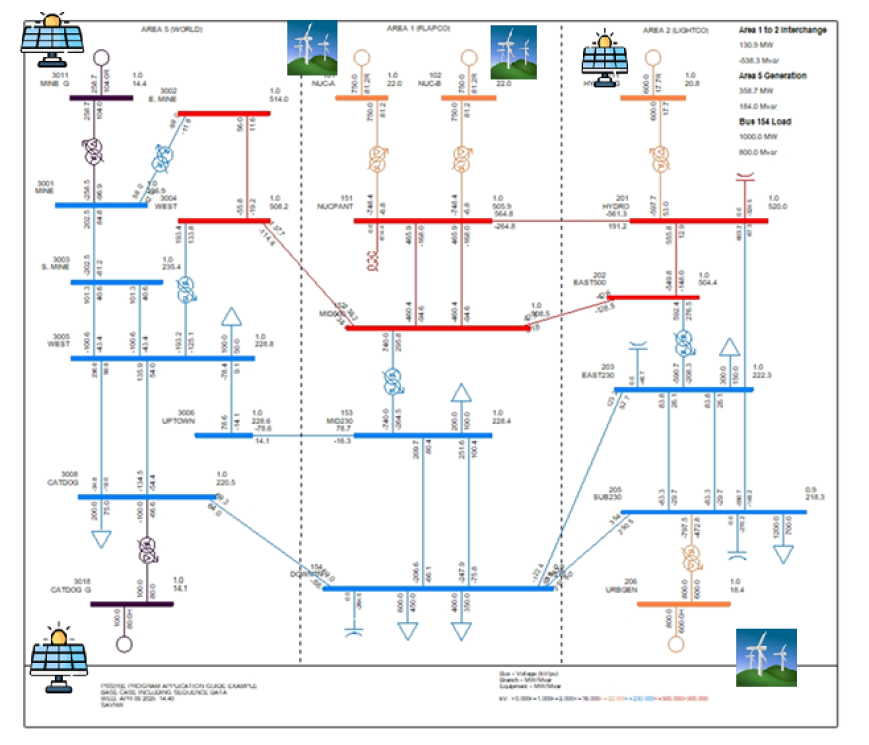
Figure 4 - 23-Node Test Network
The objective of the optimization exercise was to determine the optimal mix of short- and longduration energy storage capacities that could satisfy reserve requirements while simultaneously ensuring that reliability metrics of LOLP and UsE remained within prescribed limits. Table 4 shows the conventional and renewable generation capacity retirements and installations.
| Conventional Capacity Retired | RES Capacity Built | |
|---|---|---|
| [MW] | [MW] | |
| 2025 | 1,000 | 5,300 |
| 2026 | 0 | 0 |
| 2027 | 0 | 0 |
| 2028 | 1,000 | 0 |
| 2029 | 0 | 0 |
| 2030 | 800 | 2,300 |
| 2031 | 1,300 | 6,000 |
| 2032 | 0 | 0 |
| 2033 | 1,500 | 5,700 |
| 2034 | 200 | 800 |
| 8,800 | 20,100 |
Figure 5 show the short and long duration energy storage capacities installed. Interesting to note that for every 100 MW of RES generation capacity, approximately 15 MW short and 39 MW long duration storage capacity is required.
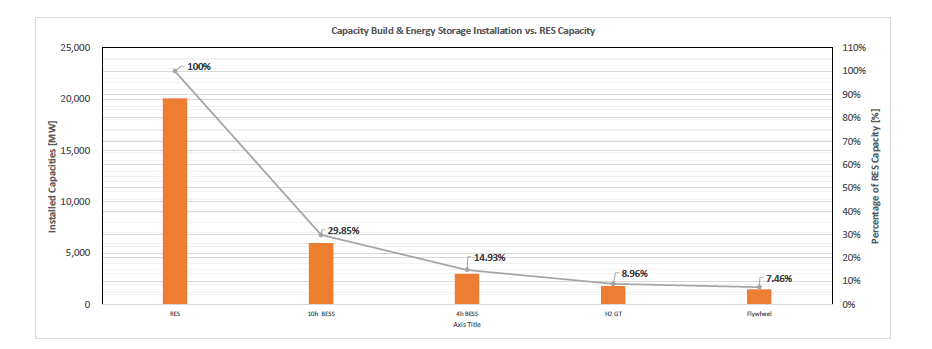
Figure 5 - Conventional and RES Generation: Capacity Retirement and Building
Production cost analysis (hourly system simulations) was performed for the last 3 years of the planning horizon (2047-2049) to verify whether the 100% RES supply system can meet the demand within the reliability targets [32] and maintain the required level of reserves, with the support of the short and long duration energy storages.
The yearly LOLP figure was 0% in each year of the 25 years planning horizon. The UsE figures are shown in Table 5 and on Figure 6. The stochastic hourly production cost modeling revealed that the mean UsE values are within the applicable planing limit of 0.02% / year. Having said that under some of stochastic scenarios, in 2048, the UsE can violate the limit. As the obtained mean values are within the limit, and currently no reliability standard exists for 100% RES supply system, the results are robust.
| Sample | Fiscal Year | UsE | UsE |
|---|---|---|---|
| [-] | [GWh/year] | [%] | |
| Maximum | 2047 | 10.7 | 0.019% |
| Maximum | 2048 | 15.11 | 0.027% |
| Maximum | 2049 | 8.01 | 0.014% |
| Minimum | 2047 | 1.37 | 0.002% |
| Minimum | 2048 | 4.01 | 0.007% |
| Minimum | 2049 | 0.02 | 0.000% |
| Mean | 2047 | 5.72 | 0.010% |
| Mean | 2048 | 8.22 | 0.015% |
| Mean | 2049 | 3.51 | 0.006% |
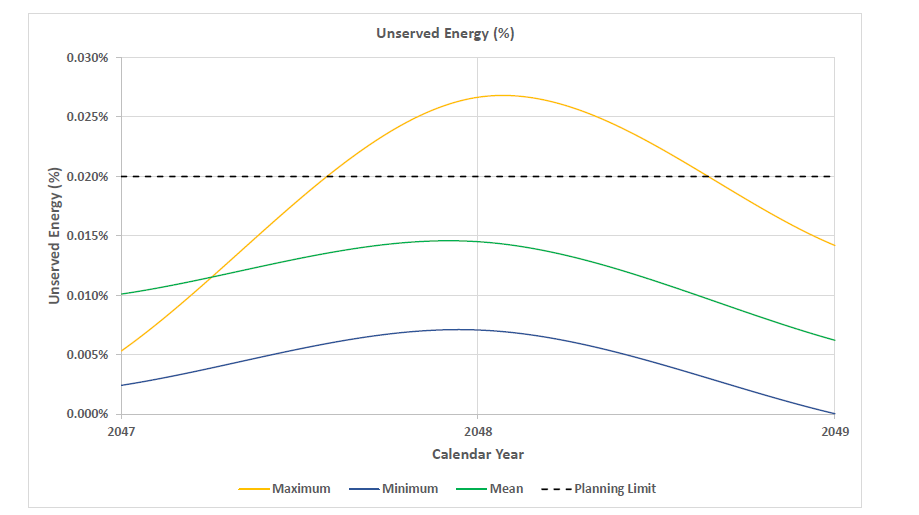
Figure 6 - Unserved Energy 2047-2049 (Minimum, Maximum and Mean Values)
The capacity reserves in 2049 (last year of the planning horizon) is presented on Figure 7. It is transparent that the system can maintain the minimum 50% capacity reserve margin thought the entire calendar year. The capacity reserve margin tends to increase during summer month that are characterized by lower system demand. As expected, the reserve curve shape suggest that during the day when solar capacity is available the reserve margin is higher, compared to the night when solar capacities are unavailable.
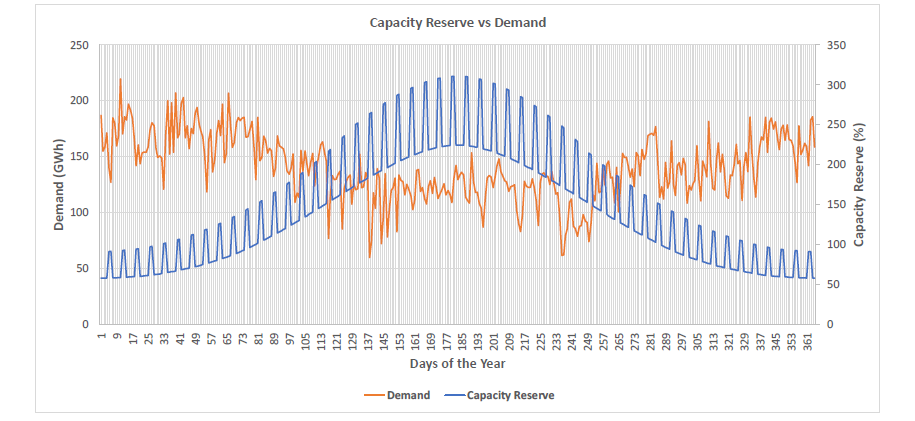
Figure 7 - Capacity Reserve 2049
The spin-up, regulation-raise and inertia reserves are shown on Figure 8 for year 2049. The inertia reserve is constant during the year (at 500 MWs) as it was defined being equal to the inertia of the largest conventional machine being retired from the system. As expected, the spin-up and regulation-raise reserves vary through the year as those reserves were defined as a function of the actual generation level of the renewable sources and the system demand. Both spin-up and regulation-raise reserves are maintained through the years.
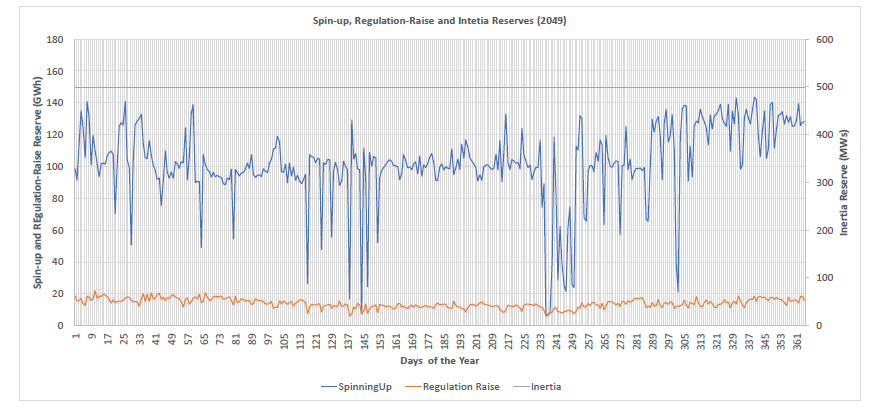
Figure 8 - Spin-up, Regulation-Raise, Inertia Reserves 2049
Lastly, Figure 9 shows the impact of SDES and LDES storage utilisation on the system demand during the full calendar year of 2049. The forecasted demand shows the typical short term (within the day) and seasonal (thought the year) variation. The actual demand figure is, however, different, and the overall system demand is higher. This is the results of charging the short and long duration storages during the year.
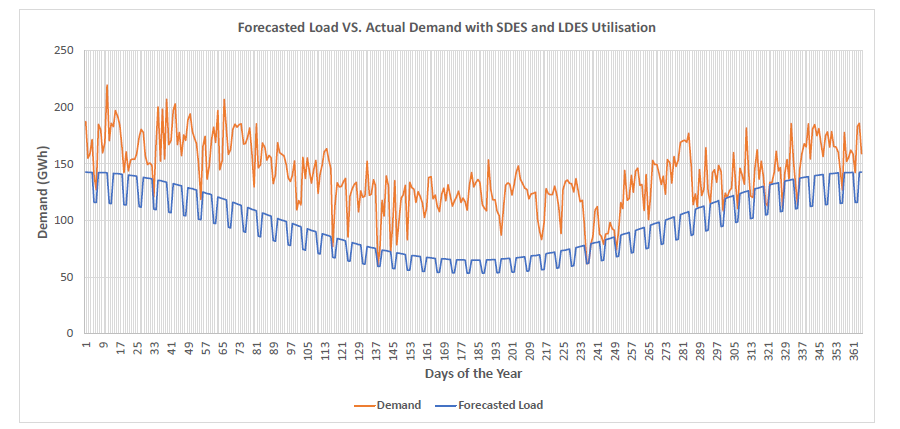
Figure 9 - Forecasted Demand vs. Actual Demand 2049
It is interesting to compare the actual demand against the utilization of the hydrogen storage tanks working volumes (Figure 10). Since the H2 GT pairs are mainly responsible not only for the long term balancing, but also the main providers of the flexibility reserves. It can be seen that during load demand period the hydrogen storage tanks levels are fairly constant (since the regulations reserve are drive by the overall system demand), while as the demand increases, the PEMs start to increase the hydrogen production to cater for the increased reserve provision.
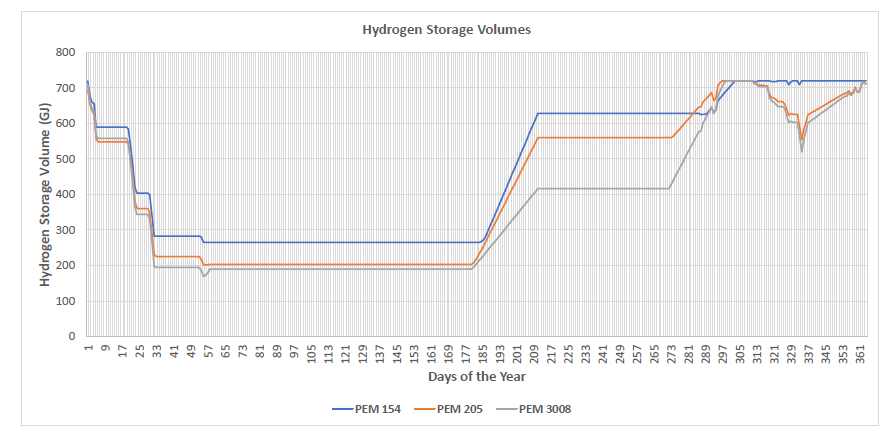
Figure 10 - Hydrogen Storage Tanks Volume 2049
Lastly, Figure 11 and Figure 12 shows the capacity factors of the 10h and 4h BESS in the network for the entire planning horizon (2025-2049), respectively. The BESS capacity factor is defined as the actual generation of the battery compared to its full discharge capacity (MW power rating times 8760 h) in a calendar year.
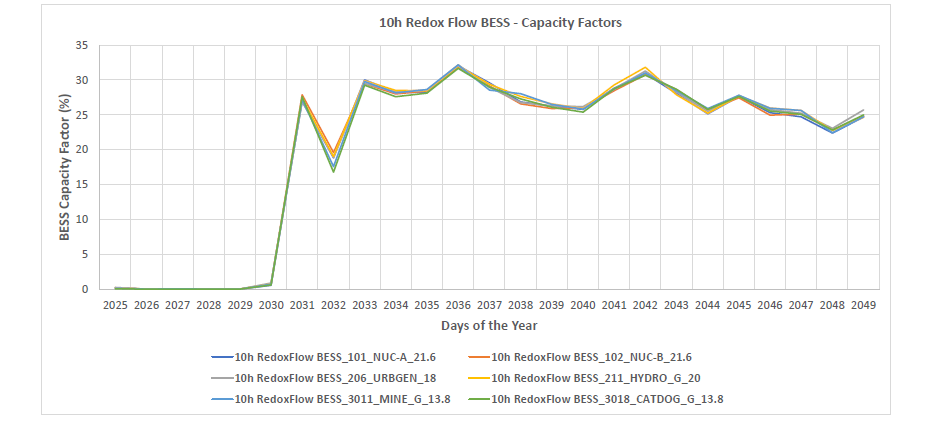
Figure 11 - 10h Redox Flow BESS Capacity Factors (2025-2049)
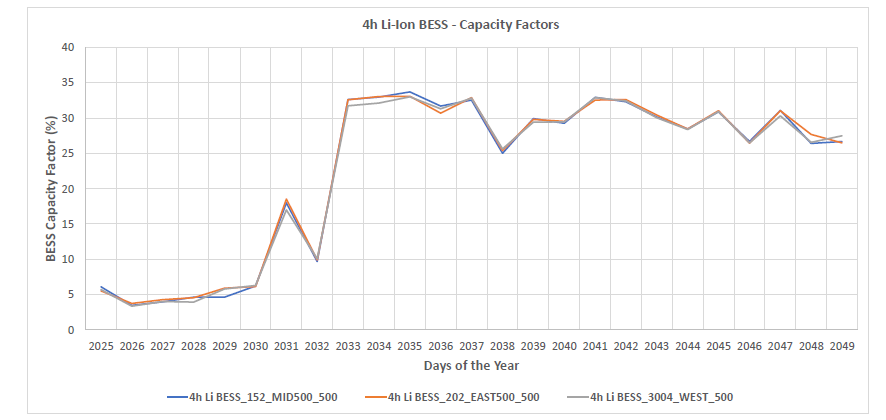
Figure 12 - 5h Li-Ion Flow BESS Capacity Factors (2025-2049)
As the conventional generation fleet gradually retires and significant RES capacity is added, the utilization of the batteries increases. Beyond 2034 (first year with 100% RES supply), on average the capacity factor of the 10h BESS are around 27% and for the 4h BESS around 30%, indicating heavy reliance on the batteries for grid balancing and reserve provision.
5. Conclusion
This paper presented a comprehensive techno-economic framework to evaluate the role of shortand long-duration energy storage systems in supporting reserve provision and maintaining system reliability under high-renewable penetration scenarios. A custom-built 23-node test system representing a stylized GCC power network was developed in PLEXOS to co-optimize energy dispatch and multiple reserve products, including capacity, spin-up, regulation-raise, and inertia reserves. Special modelling considerations were addressed for energy-constrained technologies such as CAES and hydrogen-based systems, with custom constraints introduced to ensure fuel availability during reserve activation.
The simulation results demonstrated that the proposed four-stage modelling framework can successfully guide the optimal deployment of storage assets to meet long-term planning, adequacy, and operational cost objectives. With conventional generation progressively retired and replaced by solar and wind, the system was able to achieve a fully renewable supply mix by 2034. Storage systems—particularly 10-hour flow batteries and hydrogen PEM-GT pairs—emerged as essential assets for both energy shifting and reserve delivery.
Key findings confirmed that short- and long-duration energy storage technologies can enable a 100% RES-based system to maintain acceptable reliability metrics, with LOLP consistently at 0% and UsE well within planning thresholds in nearly all simulated scenarios. Additionally, the system was able to satisfy reserve targets throughout the planning horizon without significant violations. The sizing results suggest that approximately 15% short-duration and 39% longduration storage capacity is needed per 100 MW of installed RES capacity to ensure adequate flexibility and resilience, considering the 50-50% supply split between wind and solar generation.
Overall, this study provides a validated methodology for modelling energy-constrained storage resources in PLEXOS and highlights critical storage planning strategies for future grid designs aiming to achieve both reliability and high renewable penetration.
References
- Saad Alqahtani, Abdullah Shaher, Ali Garada, and Liana Cipcigan. Impact of the High Penetration of Renewable Energy Sources on the Frequency Stability of the Saudi Grid. Electronics (Basel), 12(6):1470, 2023. Place: Basel Publisher: MDPI AG.
- Roohallah Khatami, Masood Parvania, and Akil Narayan. Flexibility Reserve in Power Systems: Definition and Stochastic Multi-Fidelity Optimization. IEEE transactions on smart grid, 11(1):644–654, 2020. Place: Piscataway Publisher: IEEE.
- Energy Exemplar. PLEXOS - The Energy Analytics and Decision Platform for all Systems, 2024.
- Manuel Welsch, Paul Deane, Mark Howells, Brian Ó Gallachóir, Fionn Rogan, Morgan Bazilian, and Hans-Holger Rogner. Incorporating flexibility requirements into long-term energy system models – A case study on high levels of renewable electricity penetration in Ireland. Applied energy, 135:600–615, 2014. Place: OXFORD Publisher: Elsevier Ltd.
- Anne Sjoerd Brouwer, Machteld van den Broek, William Zappa, Wim C. Turkenburg, and André Faaij. Least-cost options for integrating intermittent renewables in low-carbon power systems. Applied energy, 161:48–74, 2016. Place: OXFORD Publisher: Elsevier Ltd.
- Jesus Beyza and Jose M. Yusta. The effects of the high penetration of renewable energies on the reliability and vulnerability of interconnected electric power systems. Reliability engineering & system safety, 215:107881, 2021. Place: Barking Publisher: Elsevier Ltd.
- Moza Salim Al Naimi, Mohamed I. Hassan Ali, and Gento Mogi. Energy Mix Forecasting in Abu Dhabi Using Mixed Integer Linear Program. In ASME International Mechanical Engineering Congress and Exposition, Proceedings (IMECE), volume 6. American Society of Mechanical Engineers, 2018.
- Mohamed Hamdi, Hafez A. El Salmawy, and Reda Ragab. Incorporating operational constraints into long-term energy planning: The case of the Egyptian power system under high share of renewables. Energy (Oxford), 300:131619, 2024. Publisher: Elsevier Ltd.
- Ahmed Hassan A. El-Sayed, Adel Khalil, and Mohamed Yehia. Energy storage systems impact on Egypt’s future energy mix with high renewable energy penetration: A long-term analysis. Journal of energy storage, 95:112583, 2024. Publisher: Elsevier Ltd.
- Ahmad Amiruddin, Roger Dargaville, Ariel Liebman, and Ross Gawler. Integration of Electric Vehicles and Renewable Energy in Indonesia’s Electrical Grid. Energies (Basel), 17(9):2037, 2024. Place: Basel Publisher: MDPI AG.
- Ahmad Amiruddin, Ariel Liebman, Roger Dargaville, and Ross Gawler. Optimal energy storage configuration to support 100 % renewable energy for Indonesia. Energy for sustainable development, 81, 2024. Publisher: Elsevier Inc.
- Ciara O’Dwyer and Damian Flynn. Using Energy Storage to Manage High Net Load Variability at Sub-Hourly Time-Scales. IEEE transactions on power systems, 30(4):2139– 2148, 2015. Place: PISCATAWAY Publisher: IEEE.
- Thushara De Silva, Jennie Jorgenson, Jordan Macknick, Nicholas Keohan, Ariel Miara, Henriette Jager, and Brenda Pracheil. Hydropower operation in future power grid with various renewable power integration. Renewable energy focus, 43:329–339, 2022. Backup Publisher: Pacific Northwest National Laboratory (PNNL), Richland, WA (United States) Place: United States Publisher: Elsevier Ltd.
- Eoin P. Ahern, Paul Deane, Tobias Persson, Brian Ó Gallachóir, and Jerry D. Murphy. A perspective on the potential role of renewable gas in a smart energy island system. Renewable energy, 78:648–656, 2015. Publisher: Elsevier Ltd.
- Luka Herc, Antun Pfeifer, Felipe Feijoo, and Neven Dui´c. Energy system transitions pathways with the new H2RES model: A comparison with existing planning tool. e- Prime, 1:100024, 2021. Publisher: Elsevier Ltd.
- Zoe Hungerford, Anna Bruce, and Iain MacGill. The value of flexible load in power systems with high renewable energy penetration. Energy (Oxford), 188:115960, 2019. Place: OXFORD Publisher: Elsevier Ltd.
- Željko Tomši´c, Sara Raos, Ivan Rajšl, and Perica Ilak. Role of electric vehicles in transition to low carbon power system—case study Croatia. Energies (Basel), 13(24):6516, 2020. Place: Basel Publisher: MDPI AG.
- Chris Matthew and Catalina Spataru. Scottish islands interconnections: Modelling the impacts on the UK electricity network of geographically diverse wind and marine energy. Energies (Basel), 14(11):3175, 2021. Place: Basel Publisher: MDPI AG.
- Zakariya Dalala, Murad Al-Omari, Mohammad Al-Addous, Mathhar Bdour, Yaqoub Al- Khasawneh, and Malek Alkasrawi. Increased renewable energy penetration in national electrical grids constraints and solutions. Energy (Oxford), 246:123361, 2022. Place: Oxford Publisher: Elsevier Ltd.
- Jiang Lin, Nikit Abhyankar, Gang He, Xu Liu, and Shengfei Yin. Large balancing areas and dispersed renewable investment enhance grid flexibility in a renewable-dominant power system in China. iScience, 25(2), 2022. Publisher: eScholarship, University of California.
- Fang Liu, Yunche Su, Yang Liu, Dawei Chen,Wei Chen, and Li Kuang. Reserve allocation of high-penetration renewable energy grids considering frequency security. Frontiers in energy research, 12, 2024. Publisher: Frontiers Media S.A.
- Siemens AG. PSS®E, 2024.
- Byeongmin Ha, Seolji Nam, Jaewon Byun, Jeehoon Han, and Soonho Hwangbo. Stochastic techno-economic assessment of future renewable energy networks based on integrated deep-learning framework: A case study of South Korea. Chemical engineering journal (Lausanne, Switzerland : 1996), 485:150050, 2024. Publisher: Elsevier B.V.
- Alireza Tavakoli and Ali Karimi. Development of Monte-Carlo-based stochastic scenarios to improve uncertainty modelling for optimal energy management of a renewable energy hub. IET renewable power generation, 17(5):1139–1164, 2023. Publisher: Institution of Engineering and Technology (IET).
- Hamed Bakhtiari, Jin Zhong, and Manuel Alvarez. Predicting the stochastic behavior of uncertainty sources in planning a stand-alone renewable energy-based microgrid using Metropolis–coupled Markov chain Monte Carlo simulation. Applied energy, 290:116719, 2021. Publisher: Elsevier Ltd.
- Can Li, Antonio J. Conejo, John D. Siirola, and Ignacio E. Grossmann. On representative day selection for capacity expansion planning of power systems under extreme operating conditions. International journal of electrical power & energy systems, 137:107697, 2022. Publisher: Elsevier Ltd.
- Lawrence E. Jones. Renewable energy integration : practical management of variability, uncertainty and flexibility in power grids / edited by Lawrence E. Jones. Gale eBooks. Elsevier, second edition. edition, 2017. Publication Title: Renewable energy integration :.
- Jonghwan Kwon, Zhi Zhou, Todd Levin, and Audun Botterud. Resource Adequacy in Electricity Markets With Renewable Energy. IEEE transactions on power systems, 35(1):773–781, 2020. Backup Publisher: Argonne National Lab. (ANL), Argonne, IL (United States) Place: New York Publisher: IEEE.
- Chenjia Feng, Chengcheng Shao, and Xifan Wang. CSP clustering in unit commitment for power system production cost modeling. Renewable energy, 168:1217–1228, 2021.
Publisher: Elsevier Ltd. - Jiansheng Huang, Zhuhan Jiang, and Michael Negnevitsky. Ancillary Service by Tiered Energy Storage Systems. Journal of energy engineering, 148(1), 2022. Place: New York Publisher: American Society of Civil Engineers.
- Mohsen Aldaadi, Fahad Al-Ismail, Ali T. Al-Awami, and Ammar Muqbel. A Coordinated Bidding Model forWind Plant and Compressed Air Energy Storage Systems in the Energy and Ancillary Service Markets Using a Distributionally Robust Optimization Approach. IEEE access, 9:148599–148610, 2021.
- AEMO. ESOO and Reliability Forecast Methodology Document. Technical report, 2023.
Biographies
Gergo Varhegyi is a Technical Executive at EPRI, leading market–grid integration and energystorage research in the Middle East. He is completing an EngD at Heriot-Watt University (Dubai) on techno-economic co-simulation of high-renewable power systems, linking PLEXOS capacity/production modeling with PSSE steady-state and dynamic validation. Gergo has 17+ years of power-system consulting experience. His publications and conference work focus on power system reliability under 100% RES scenarios.
Mutasim Nour is an Associate Professor of Electrical and Energy Engineering at the School of Engineering and Physical Sciences at Heriot-Watt University Dubai. He also serves as the Associate Director of External Relations and Industry Engagement and as the Director of MSc Energy and Renewable Energy Programmes. With extensive academic experience, Dr. Nour previously held the position of Associate Professor at the University of Nottingham’s Malaysia Campus before joining Heriot-Watt University. Dr. Nour’s research interests span renewable energy and demand management, energy efficiency, energy storage, power electronics, and fuzzy logic control. Dr. Nour has an impressive research portfolio, with over 60 peer-reviewed journal and conference publications.