Digitization of Electrical Substations in Colombia: Challenges and Technical Requirements for Implementation
Authors
Eduardo GÓMEZ-LUNA, Santiago Daniel LEITON, Juan David MINA-CASARAN
High Voltage Research Group — GRALTA, School of Electrical and Electronic Engineering, Universidad del Valle, Colombia

This article presents an analysis of the current state of digital substations in Colombia, a key component for modernizing the electricity sector, advancing digital transformation, and supporting the energy transition. The study is based on a conceptual overview of digital substations under the IEC 61850 standard, addressing communication protocols, system architecture, digitization stages, and advantages over conventional substations. It also examines key implementation aspects, identifying requirements such as interoperability, redundancy, time synchronization, and cybersecurity. Additionally, national experiences and lessons learned are reviewed, highlighting economic, technical, organizational, and regulatory challenges, including high initial investment costs, limited technological maturity, and the need for qualified personnel. Finally, the identified requirements and challenges are synthesized, and a critical assessment of Colombia’s weaknesses and opportunities is presented in comparison with international experiences reported in the literature.
Keywords
Cybersecurity, digital substations in Colombia, IEC 61850 standard, interoperability, process busNomenclature
| CAPEX | Capital Expenditures |
| CO2 | Carbon Dioxide |
| DG | Distributed Generation |
| DS | Digital Substation |
| EPC | Engineering, Procurement, and Construction |
| GOOSE | Generic Object Oriented Substation Event |
| HMI | Human-Machine Interface |
| IED | Intelligent Electronic Device |
| IEC | International Electrotechnical Commission |
| MMS | Manufacturing Message Specification |
| MU | Merging Unit |
| NCIT | Non-Conventional Instrument Transformer |
| OPEX | Operational Expenditure |
| PTP | Precision Time Protocol |
| SCASA | Supervisory Control and Data Acquisition |
| SCL | Substation Configuration Language |
| SV | Sampled Values |
| WAN | Wide Area Network |
1. Introduction
Population and economic growth have driven increased electricity consumption worldwide, leading to higher CO2 emissions, one of the main causes of global warming. In response to this, the energy transition, based on renewable sources, has emerged as a tool to curb global warming and its side effects, such as climate change [1]. Currently, the global electricity sector is undergoing an energy transition marked by three fundamental pillars: decarbonization, decentralization, and digitization [2].
Colombia, in line with this trend, aims to achieve “a fair and sustainable energy transition that seeks to ensure the country's energy sovereignty, democratic access to energy, and clear actions to address climate change” [3]. Furthermore, with the expansion of distributed generation (DG), microgrids, and smart grids, it is necessary to modernize the electricity grid by integrating digital and information technologies to optimize electricity management [4]. In this scenario, the digitization of electrical substations enables the transition to smarter and more sustainable grids, offering benefits such as greater reliability, security, and operational efficiency.
Despite the technical and operational advantages offered by digital substations compared to conventional substations, their implementation in Colombia is limited [5]. This highlights the need to identify the main technical requirements and challenges for their implementation at the national level. To this end, this article presents an overview of the development of digital substations in Colombia, identifying and analyzing, based on the experience of stakeholders in the electricity sector, the technical, operational, regulatory, and economic limitations encountered in the implementation of this type of project, in order to ultimately establish the main technical requirements and challenges.
The contributions of this research work are as follows:
- A sector-wide analysis of the development of digital substations in Colombia, based on the experiences and knowledge of stakeholders, which made it possible to analyze the current state of adoption of this technology in the country.
- Identification of the main requirements for the implementation of digital substations in Colombia, establishing a technical knowledge base of the elements and guidelines necessary to ensure an efficient, reliable, and secure system.
- Determination and characterization of the technical, technological, economic, and regulatory challenges faced by the national electricity sector in the implementation of digital substations, which limit their adoption.
- Critical analysis of Colombia’s weaknesses in the development of digital substations, in comparison with international cases, identifying needs and opportunities and proposing specific recommendations to advance the implementation of this technology.
Before analyzing the overall situation in Colombia, the topic is first contextualized through key concepts, definitions, and relevant aspects of digital substations, primarily based on the IEC 61850 standard. According to the literature, IEC 61850 constitutes the fundamental framework for enabling the implementation of digital substations.
1.1. IEC 61850 Standard
Initially, IEC 61850 was created with the aim of standardizing communication between protection, control, and measurement systems within automated substations, ensuring interoperability between devices from different manufacturers [6]. One of the most important elements for achieving this interoperability are SCL (Substation Configuration Language) files, which are XML (Extensible Markup Language)-based files that describe the electrical system, device configuration, and communication in a structured manner [7].
However, this standard is not limited to being a simple telecommunications protocol, as it also covers all the elements necessary for the design, operation, and maintenance of substations in terms of protection and control. Therefore, it includes the definition of communication protocols, system architecture, configuration languages, data models, electrical and environmental requirements, as well as mechanisms for conformity and quality testing [6].
A fundamental pillar of the standard is the established communication system and its protocols, which are described below.
1.2. IEC 61850 communication protocols
The main communication protocols defined by the IEC 61850 standard are:
MMS (Manufacturing Message Specification - IEC 61850-8-1): Client/server protocol for communication between intelligent electronic devices (IEDs) and SCADA systems. It also allows the configuration and exchange of monitoring data and the sending of control instructions [8], [9].
GOOSE (Generic Object Oriented Substation Event - IEC 61850-8-1): Used to transmit status messages between IEDs and to trip protection relays [9]. GOOSE messages are characterized by their high delivery speed, typically below 4 ms [8].
SV/SMV (Sampled Measurement Values - IEC 61850-9-2): Enables fast and reliable digital communication of system measurement, protection and control data [9].
PTP (Precision Time Protocol - IEC/IEEE 61850-9-3): Defined in the IEEE 1588 standard and adopted by IEC 61850 for high-precision time synchronization of devices [10].
2. Digital Substation (DS)
Digital substations represent a significant advance in modern electrical grids. A digital substation (DS) is one where most of the data associated with power flow is digitized at the point of measurement and managed by IEDs and digital interfaces. This digitization, based on the IEC 61850 standard, enables communication between devices via Ethernet networks, facilitating the exchange of large volumes of data using a small number of fiber optic cables, a crucial aspect compared to the extensive copper cabling used in conventional substations. This high-speed communication system is referred to as a bus, as it allows data and information to be transported between multiple nodes or devices. In a digital substation, there are two buses: the process bus and the station bus [8].
The implementation of the process bus is the fundamental element that defines a complete digital substation. According to the IEC 61850 standard, this bus replaces point-to-point copper connections between protection and control IEDs and power devices (primary equipment) with a standardized optical communication system (bus), facilitating efficient real-time information exchange and reducing wiring complexity [11]. To provide an overview of a digital substation, the typical architecture of an IEC 61850-based DS is presented below.
2.1. Architecture of a Digital Substation
The architecture of a digital substation comprises four main levels: the process level, bay level, station level, and network level. Figure 1 shows a graphical representation of this architecture.
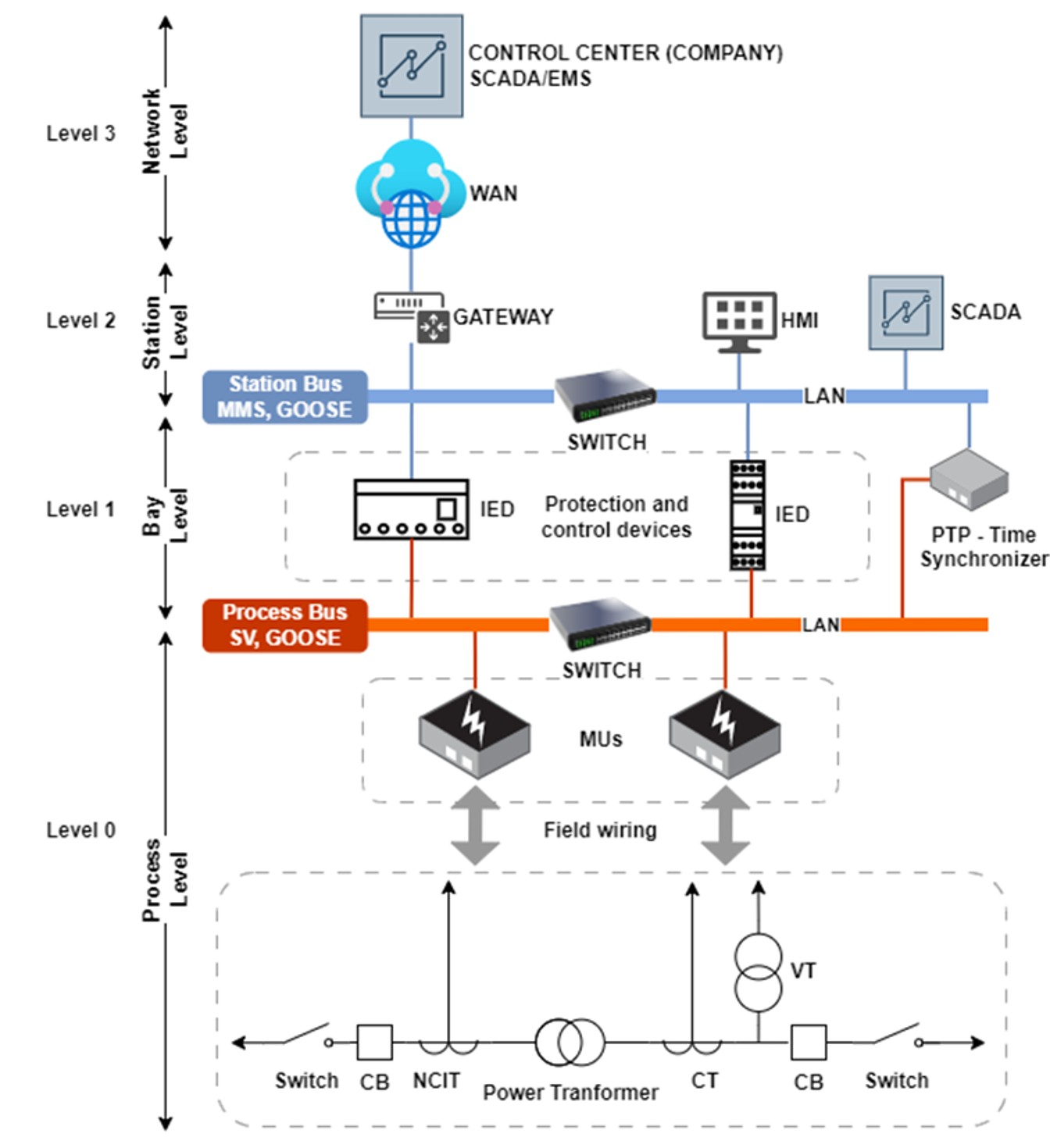
Figure 1 - Architecture of a Digital Substation. Source: authors
Before describing the levels of the digital substation, it is important to understand its main elements and components, which are presented in Table 1.
| LEVEL | ELEMENT/COMPONENT | DESCRIPTION |
| Process Level | NCIT (Non-Conventional Instrument Transformer) | Instrument transformers that do not use magnetic cores and employ technologies such as Rogowski coils, optical instrument transformers and low-power instrument transformers (LPIT). |
MU (Merging unit) | Device that enables the implementation of the process bus by converting analog or binary signals into sampled values (SV) used for protection, control and measurement. There are two types: SAMUs (Stand-Alone MU) that connect to conventional instrument transformers and MUs integrated into LPITs. | |
| Bay Level | IED (Intelligent Electronic Device) | Microprocessor-based device that provides protection, control and automation functions. |
| Station Level | HMI (Human-Machine Interface) | Interface that allows interaction between the operator and the physical devices of the industrial system. |
SCADA (Supervisory Control and Data Acquisition) | Centralized system for supervising and controlling industrial facilities, responsible for collecting process data and sending control commands. | |
| COMMUNICATIONS | Gateway | A device that enables data transfer between different networks. |
| Switch | A device that receives data packets and forwards them to the destination devices. | |
| Process and station buses | These are high-performance, high-speed digital communication systems such as Ethernet/Fiber optics. The station bus establishes client/server communication between IEDs and SCADA using MMS; the process bus connects the switchyard to the relay house using SV via fiber optics. | |
| WAN (Wide Area Network) | Wide area network accessible through the gateway. | |
LAN (Local Area Network) | Local area network of the substation that enables certain services such as remote access. | |
| Time synchronizer | A device that ensures that all networks and equipment within the substation operate with a common and accurate time reference. Grandmaster Clock (GMC) |
Once the elements of a digital substation have been defined, each of its operational levels is described below.
Process Level (Level 0): Where the substation's power, switching, and measurement equipment is located, as well as the devices responsible for signal digitization according to the IEC 61850 standard, such as MUs and NCITs. Here, real-time operational measurements are obtained through transformers and sensors, which are digitized and transmitted to devices such as IEDs via the process bus [10], [12]. In a fully digital architecture, control signals (operator commands or protection trips) are sent to the primary devices via the process bus, but in the opposite direction.
Bay Level (Level 1): This is where the signal protection, control, and recording devices (IEDs) are located, which interact with the switching yard via the process bus. They also interact with other IEDs in the same bay and in other bays, and with the local supervision and control system (station level) via the station bus, allowing electrical variables to be monitored and operating commands to be sent [10], [12].
Station Level (Level 2): Monitors the operational status of all substation components through an HMI or local SCADA system. It uses the station bus for communication and data exchange between multiple devices and allows connection to gateways for wide area communication between substations and with external control centers for remote supervision and real-time monitoring [10], [12].
Network/SCADA level (Level 3): Enables remote monitoring of the substation using SCADA systems, which display its operating status. These are the control and monitoring centers external to the substation [10].
2.2. Stages of substation digitization using IEC 61850
Like any other technology, the adoption of IEC 61850 went through different stages before achieving the ultimate goal of a digital substation. These stages are shown in Figure 2 and detailed below.
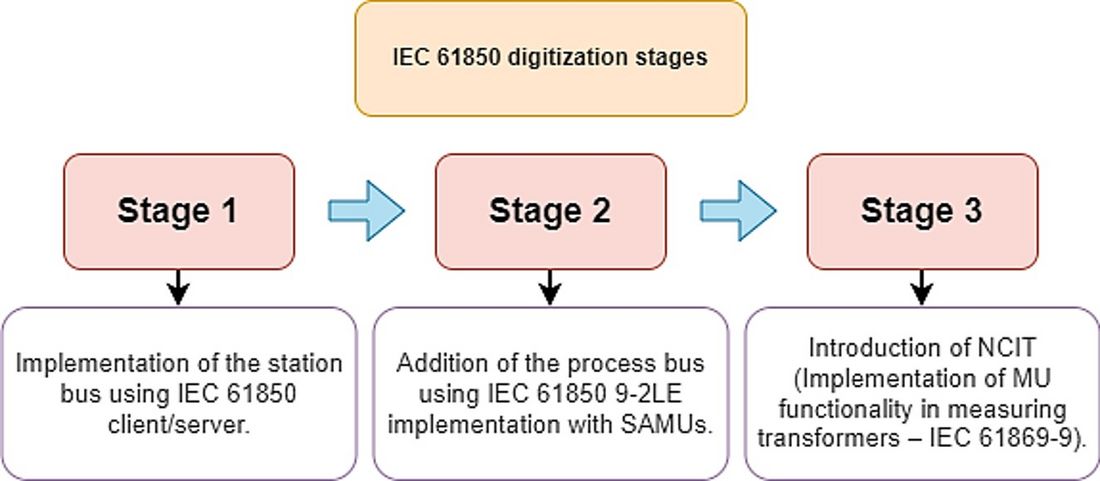
Figure 2 - Stages in the digitization of substations. Source: Based on [14] and edited by the authors
Stage 1: In this stage, IEC 61850 is incorporated via the station bus connecting level 1 (control and protection IEDs) with level 2 (HMI/Gateway) [13], as shown in Figure 3.
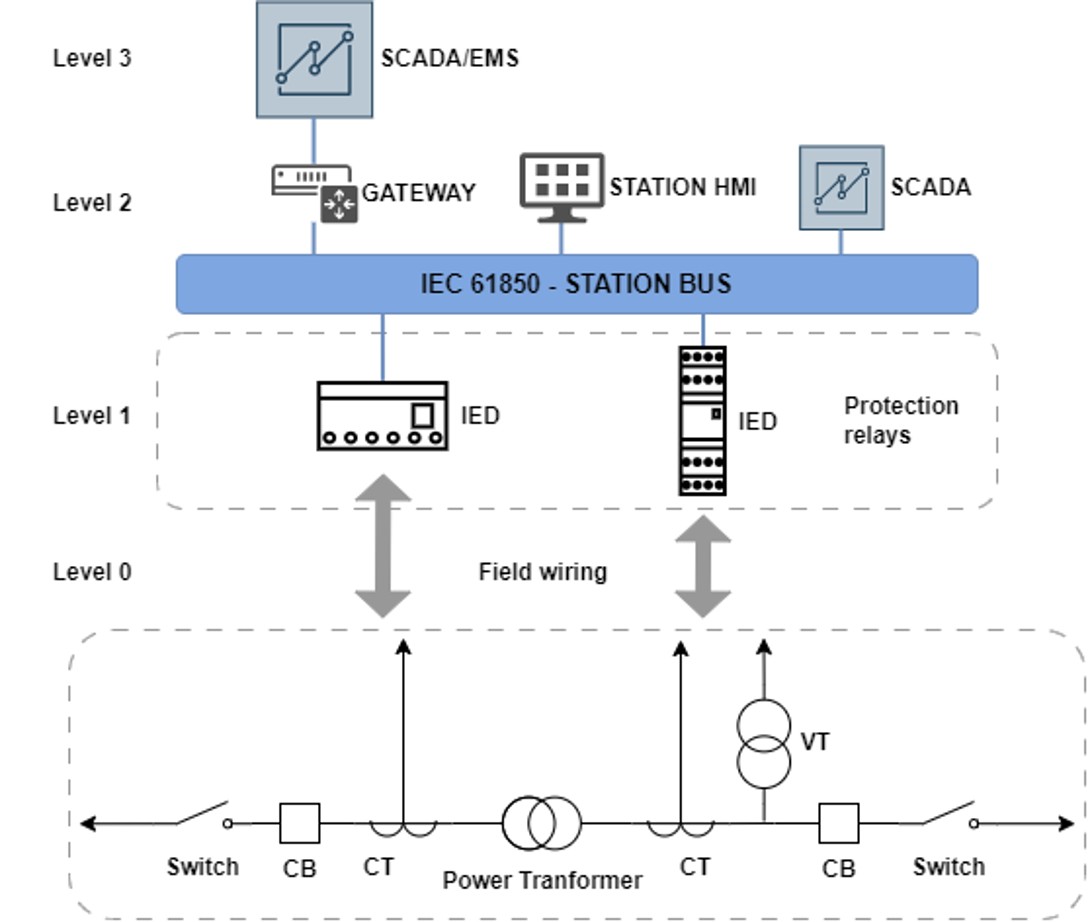
Figure 3 - Stage 1 – IEC 61850 station bus. Source: Based on [14] and edited by the authors
Client/server services operate using MMS reports, allowing the collection of events, statuses, and measurements necessary for SCADA applications. GOOSE messages allow the transmission of critical statuses and trip signals in less than 1/4 cycle, although their adoption was limited in this phase. The exchange of signals via GOOSE reduces costs associated with transducers [13].
Although IEC 61850 presented interoperability challenges, implementations matured to fully meet the requirements of this stage, reducing costs and commissioning times. The use of SCL files for the exchange of configurations between devices reduces effort and human error, while integrated testing functions (test mode, simulation, and virtual isolation) have proven highly acceptable by significantly reducing testing and maintenance times [13].
Stage 2: The next step is the implementation of the process bus, which communicates the MUs installed in the switching yard (level 0) with the control and protection IEDs at level 1, as shown in Figure 4. The SAMUs convert the current and voltage signals from the primary equipment to sampled values (SV) in accordance with IEC 61850-9-2LE. As they are located close to the primary equipment, digitization occurs directly at the source, which brings benefits in terms of CAPEX and OPEX [13].
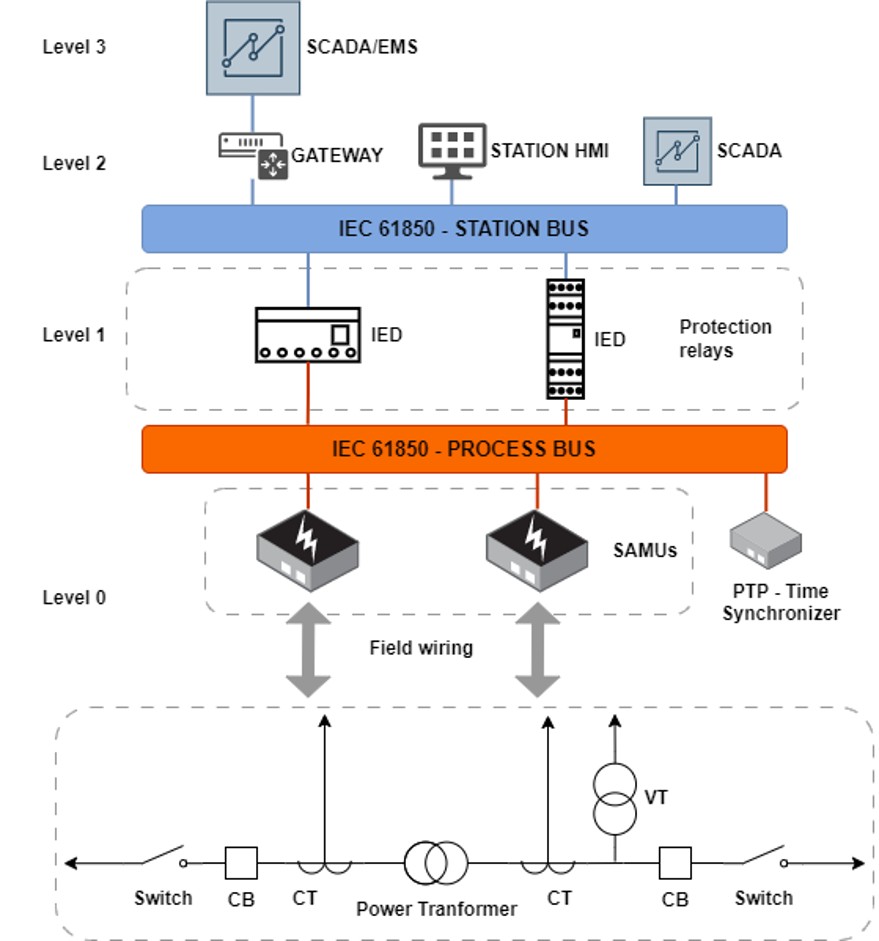
Figure 4 - Stage 2 – IEC 61850 process and station bus. Source: adapted from [14] and edited by the authors
These SAMUs send the sampled values via multicast over the fiber optic network. To maintain sample consistency, the SAMUs and IEDs require the same time reference, with an accuracy of around 1 microsecond, which makes PTP time synchronization on the process bus essential [13].
Stage 3: In this stage, SAMUs are replaced by non-conventional instrument transformers (NCITs with integrated MU) and smart switching devices, as shown in Figure 5. The IEC 61869-9 standard establishes guidelines for incorporating MU functionality into these transformers. Depending on the nominal frequency of the system, NCITs can publish SV at 4000 or 4800 samples per second in protection applications. Here, the use of PTP becomes a mandatory requirement [13].
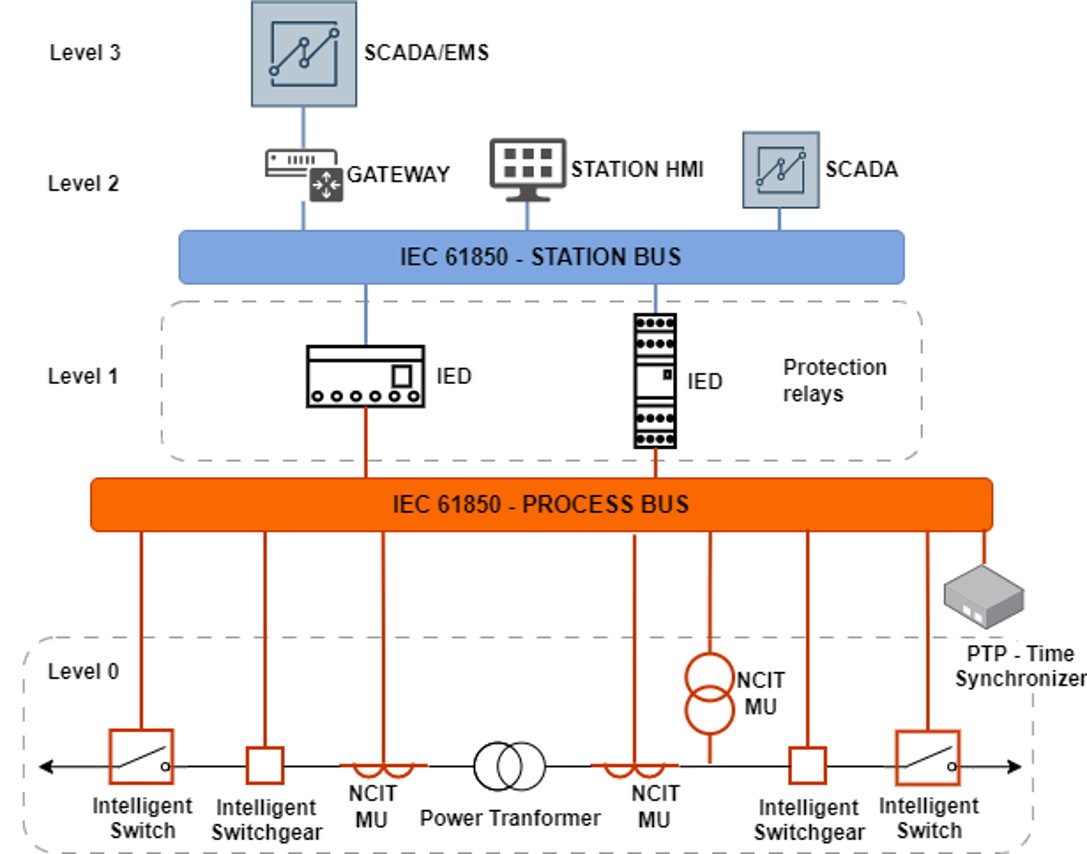
Figure 5 - Stage 3 – IEC 61850 process and station bus with NCIT. Source: adapted from [14] and edited by the authors
Digitization at the process level, directly in primary equipment and in conjunction with smart switches that have integrated controllers, enables the ultimate goal of the IEC 61850 digital substation to be achieved. Achieving this goal responds to the interest of utility companies in migrating to fully digitized protection, automation, and control schemes [13] and leveraging their full potential, which generates significant advantages described below.
2.3. Benefits of digital substations
The implementation of digital substations offers multiple benefits compared to conventional substations. Some of the main ones are listed in Figure 6.
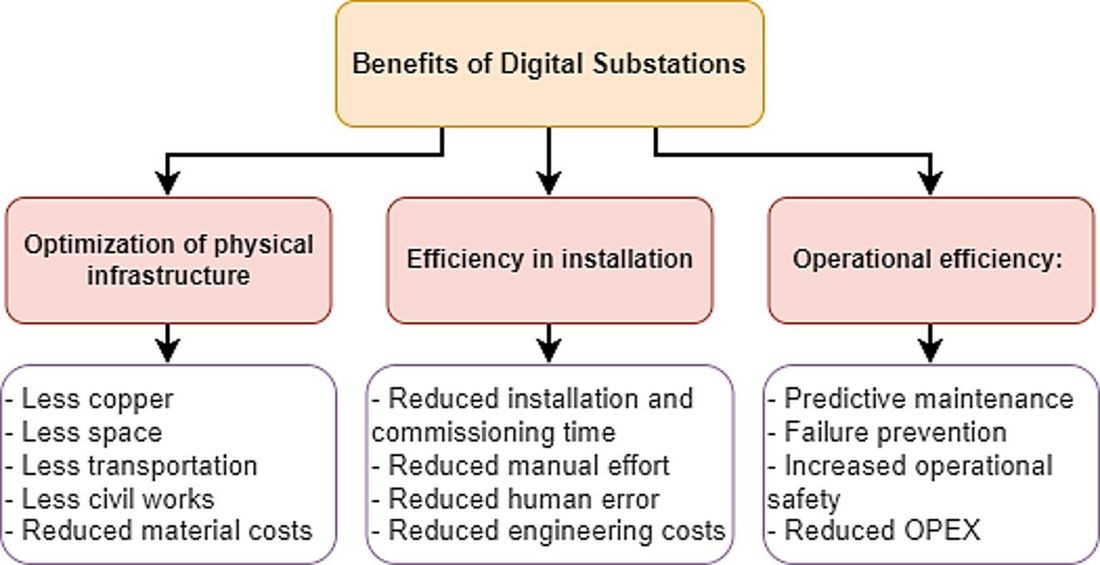
Figure 6 - Benefits of digital substations compared to conventional substations. Source: Based on [15] and edited by the authors
Optimization of physical infrastructure: Digital architecture allows for a reduction of up to 90% in copper cabling, replacing it with digital communication systems such as fiber optics and Ethernet networks. Similarly, physical installation is reduced, as modern devices require less space than conventional ones, as shown in Figure 7. All of this minimizes the need for trenches and conduits and reduces the number of panels where IEDs are located, lowering material and civil engineering costs. In addition, by requiring fewer materials, the need for transportation throughout the project is reduced [13], [14].
Installation efficiency: Fewer cables and panels speed up the installation of the DS and reduce system downtime during upgrades. In addition, the implementation of station and process buses and the exchange of configurations between devices using SCL files reduce manual effort, human error, and engineering costs, as well as reducing the time required for testing and commissioning the substation [13], [14].
Operational efficiency: Continuous system monitoring and real-time data analysis and exchange enable a predictive maintenance approach to the substation, helping to prevent failures and take quick action when they occur, extending the life of the infrastructure. This increases operational safety and reduces OPEX during the system's lifecycle [14]. In summary, digital substations offer greater efficiency, cost reduction, and optimization of operations, making them an attractive and necessary option in the modernization of the electricity sector.
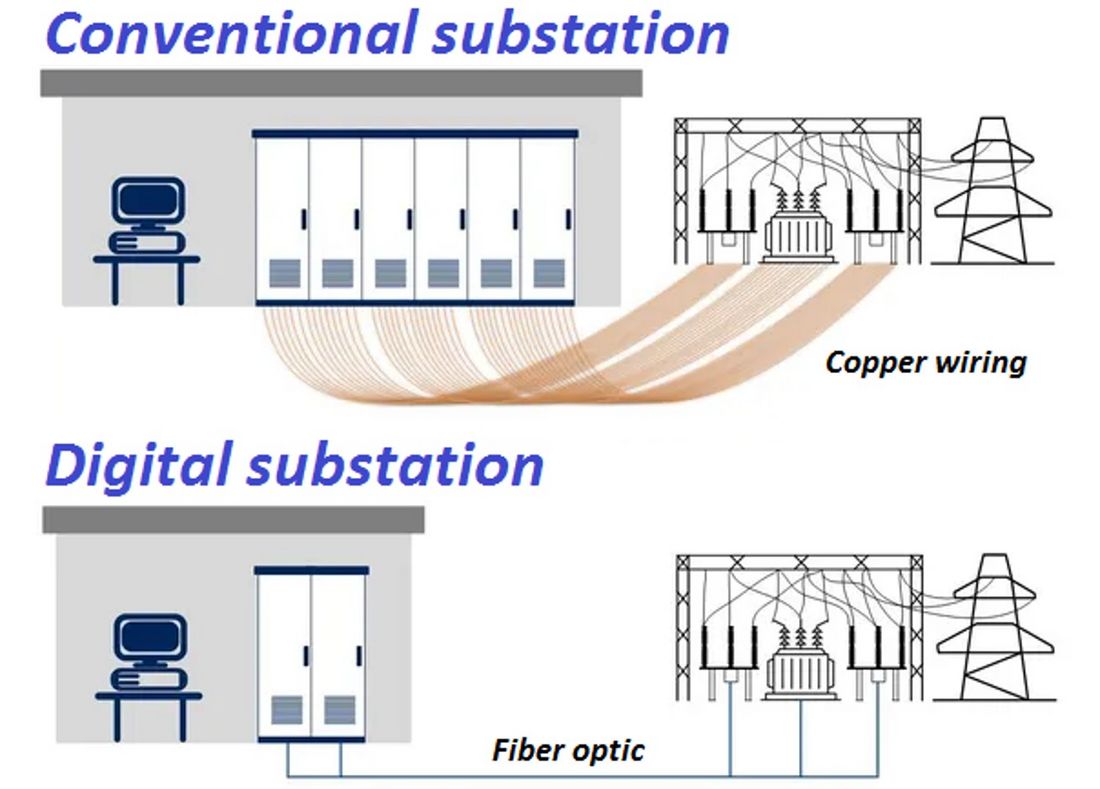
Figure 7 - Conventional substation vs. digital substation - Infrastructure. Source: adapted from [16] and edited by the authors
3. Implementation of Digital Substations
The implementation of digital substation projects depends on needs, budget, knowledge, and experience in the field. In addition, all requirements must be met and challenges encountered in the process must be overcome.
Based on the research conducted, the general technical and organizational requirements and challenges for the implementation of DS have been identified. To this end, previous studies, technical documents, and international experiences, such as pilot implementation projects described by different authors, were considered.
3.1. Requirements Identified in the Literature
Among the most important aspects highlighted in the literature are those related to interoperability, cybersecurity, time synchronization, and redundancy, as well as the use of specialized equipment. These factors are key in the implementation of DS to ensure an efficient, reliable, and secure system against failures and cyberattacks. The requirements are described in Table 2.
| REQUIREMENT | DESCRIPTION | REF |
|---|---|---|
| Process Level Digitization | The implementation of the process bus requires the use of NCITs, PIUs (Process Interface Units), and MUs to convert analog signals into sampled values (SV) in accordance with IEC 61850-9-2LE, facilitating the automation of critical protection and control functions. | [14], [17], [18], [19], [20], [21], [22], [23] |
| Interoperability of multi-vendor IEDs | Compliance with the IEC 61850 standard allows the integration of IEDs from different manufacturers. This requires appropriate SCL file configurations, FAT/SAT testing, and GOOSE/SV data mapping validation to ensure interoperability. | [14], [17], [19], [20], [21], [22], [23] |
| Redundant communication networks | A reliable and fault-tolerant network architecture is required for process and station buses, implementing redundant systems in accordance with IEC 62439-3 (PRP/HSR), using industrial switches and traffic segmentation via VLAN, to ensure continuous system availability. | [14], [17], [19], [20], [21], [22], [23] |
| Precise time synchronization | Systems require precise time synchronization, in the order of microseconds, to ensure the integrity of sampled values (SV) and GOOSE messages, applying protocols such as PTP and/or SNTP and using redundant GPS clocks. This synchronization is critical for interoperability, protection, and event status. | [14], [18], [19], [20], [21], [23] |
| Cybersecurity | Cybersecurity controls such as firewalls, antivirus software, whitelists and blacklists, secure network segmentation, among others, must be implemented in accordance with standards such as NERC CIP, IEC 62351 or IEC 62443 to protect the substation network against cyberattacks and unauthorized access and maintain system availability. | [19], [21], [22], [23] |
Technical competence of personnel (implicit organizational requirement) | The operation and maintenance of digital substations requires personnel trained in digital architectures, SCL file management, configuration and simulation tools, interoperability testing, and IEC 61850 protocols. This is due to the complexity of system configuration and new testing strategies. | [14], [17], [18], [19], [20], [21], [22], [23] |
3.2. Challenges Identified in the Literature
Technical challenges were identified regarding the difficulties of achieving interoperability between devices from different manufacturers and the complexity of designing redundant networks alongside economic challenges related to high initial costs. It should be noted that identifying these challenges is complex, as few studies delve into them or how they were addressed. The challenges are described in Table 3.
| CHALLENGE | DESCRIPTION | REF |
|---|---|---|
| Partial interoperability between IEDs | Despite the use of the IEC 61850 standard, interoperability issues arose between IEDs from different manufacturers, especially in modernization projects. | [14], [17], [19], [21], [22] |
| Complexity of redundant network design | The implementation of redundant topologies (PRP/HSR) increases the number of devices, decreases the overall mean time between failures of the system, and requires specific switches and specialized configuration. | [14], [17], [19], [20], [21] |
| Initial implementation costs | Some recognize the high initial costs of hardware (such as IEDs, MUs, industrial switches, GPS), redundant networks, testing tools, and staff training. However, most studies emphasize the potential benefits, such as reduced operating and maintenance (O&M) costs. | [14], [20], [21], [22] |
3.3. Lessons Learned in the Implementation of DS According to the Literature
Based on the experiences described in the literature, it has been determined that full compliance with the IEC 61850 standard is essential for the successful implementation of digital substations.
Interoperability: One of the most important requirements in the implementation of DS is interoperability. Although case studies show that the IEC 61850 standard allows interoperability between devices from different manufacturers, in practice compatibility issues may arise, especially when modernizing existing substations, which is why it is also seen as a challenge. Therefore, it is not enough to simply comply with the standard; rigorous testing is required to validate field performance.
Redundancy: Redundancy in communication networks is a fundamental requirement in DS, as it allows communication and operation to continue without interruption in the event of network failures, ensuring high reliability and availability. These attributes reduce recovery time to zero and prevent the loss of SV or GOOSE packets, based on PRP/HSR protocols of the IEC 62439-3 standard.
However, implementing redundant PRP/HSR architectures is challenging as it increases the number of devices, reduces the overall mean time between failures of the system, and requires specific switches, traffic management via VLAN according to IEEE 802.1Q, and specialized configurations, which increases design complexity and costs.
Time synchronization: This requirement is based on the IEC 61850-9-3 (PTP) protocol and, in some cases, on SNTP (Simple Network Time Protocol), together with redundant GPS and GMC. In some cases, it is suggested that SNTP or PTP can be used on the station bus, while PTP is specifically recommended on the process bus due to its greater accuracy, with errors of less than 1 microsecond. This accuracy of less than 1 microsecond between MUs and IEDs is essential for the correct alignment of SV signals and the operation of GOOSE-based protections, and is an essential requirement in the pilot projects reviewed.
Cybersecurity: It is important to follow the recommendations of standards IEC 62443, IEC 62351 and, especially, NERC CIP (North American Electric Reliability Corporation Critical Infrastructure Protection). It is also emphasized that DS security must address physical and cyber aspects, through hardware and software firewalls, role-based access control, blacklists using antivirus software and whitelists using application blockers. These measures are essential when using SV and GOOSE services over Ethernet networks, due to exposure to potential external threats.
Organizational and economic aspects: From an organizational point of view, the technical competence of the personnel involved is an essential requirement, since the digitization of substations involves the management of new configurations, protocols and tools associated with digital systems. This is not only a requirement but also a challenge, as it demands training and updating of knowledge for engineers in the design, testing, operation, and maintenance of digital substations.
In terms of economic challenges, some experiences recognize that the implementation of DS involves high investment costs due to the acquisition of specialized equipment such as IEDs, MUs, redundant GPS clocks, as well as simulation software, testing tools and redundant PRP/HSR architectures. However, most cases highlight the potential benefits over conventional substations. It can therefore be deduced that in this type of project it is very important to carry out an adequate cost-benefit analysis.
4. Current Overview of the Colombian Electricity Sector
To determine the technical requirements and challenges for implementing DS in Colombia, a survey was conducted among the various stakeholders in the electricity sector involved in developing this type of project at the national level. To this end, the survey conducted by the CIGRE Colombia WG-B5.8 working group, presented in its 2021 technical report [5] (published article [15]), was used as a reference. Based on this, it was proposed to update the responses and results of this survey, taking into account the implementation of new digital substation projects in the country. In addition, questions were added based on the aspects described in sections 2 and 3.
4.1. Survey Methodology
This study is derived from the research conducted in the authors' undergraduate thesis [16]. The survey consisted of 36 quantitative and qualitative questions that sought to investigate knowledge, experiences, views, and impressions of DS in the national context. Both open-ended and closed-ended multiple-choice questions were included. Some of the questions asked in the survey are shown in Table 4.
The survey was conducted online using Google Forms and was aimed at various participants in the national electricity sector, including public and private utility companies, consultants and technology providers, among others.
| TYPE OF QUESTION | PURPOSE | QUESTIONS ASKED |
|---|---|---|
| Quantitative questions | These questions seek to ascertain the participants’ level of knowledge and experience on the subject in question. | Does your company plan to invest in digital substations in the coming years? |
| Does your company believe it has the capacity to migrate to digital substations? | ||
| In your expectations, indicate the level of digital substation you plan to implement in the coming years. | ||
| What has been your company's experience in implementing digital substations (DS)? | ||
| Do you have implementation guides for digital substations? | ||
| Qualitative questions | These questions seek to identify the main challenges faced by participants involved in the implementation of digital substations. | What economic challenges have you faced when implementing a digital substation? |
| What technical and technological challenges have you faced when implementing a digital substation? | ||
| What regulatory challenges have you faced when implementing a digital substation? | ||
| What other challenges, apart from those already mentioned, have been identified when implementing a digital substation? | ||
| What success factors do you consider important when implementing the IEC 61850 standard in your company? | ||
| These questions seek to ascertain participants’ knowledge of the main technical requirements for the implementation of digital substations. | What are the technical requirements for process-level digitization of electrical substations in Colombia? | |
| What are the technical requirements for bay-level digitization of electrical substations in Colombia? | ||
| What are the technical requirements for station-level digitization of electrical substations in Colombia? | ||
| What are the technical requirements for network/system-level (SCADA) digitization of electrical substations in Colombia? | ||
| What are the cybersecurity requirements for digital substations? |
4.2. Survey Participation
The survey received responses from 12 experts from different regions of Colombia: Antioquia (5), Bogotá (2), Tolima (1) and Valle del Cauca (4), as shown in Figure 8. In addition, public service companies (public and private) (41.7%), consultants (33.3%), technology providers (16.7%) and one participant from Colombia Inteligente (8.3%) took part (see Figure 9). There was no participation from the government or academia.
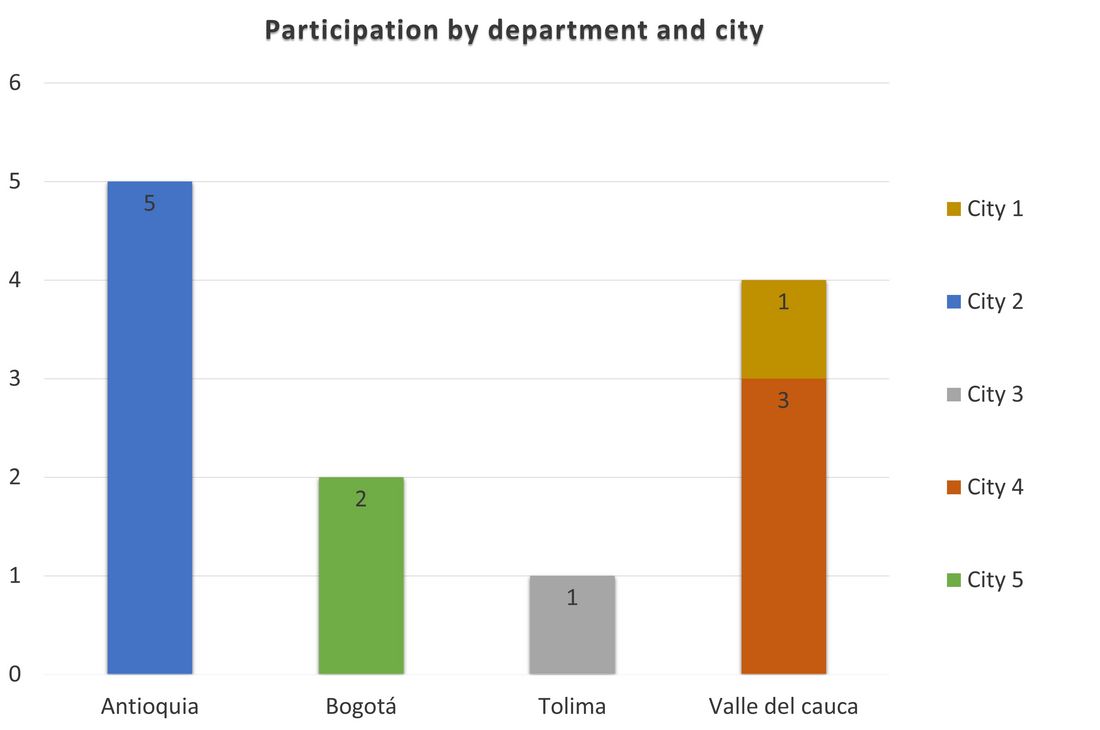
Figure 8 - Survey results – Participation by region. Source: authors
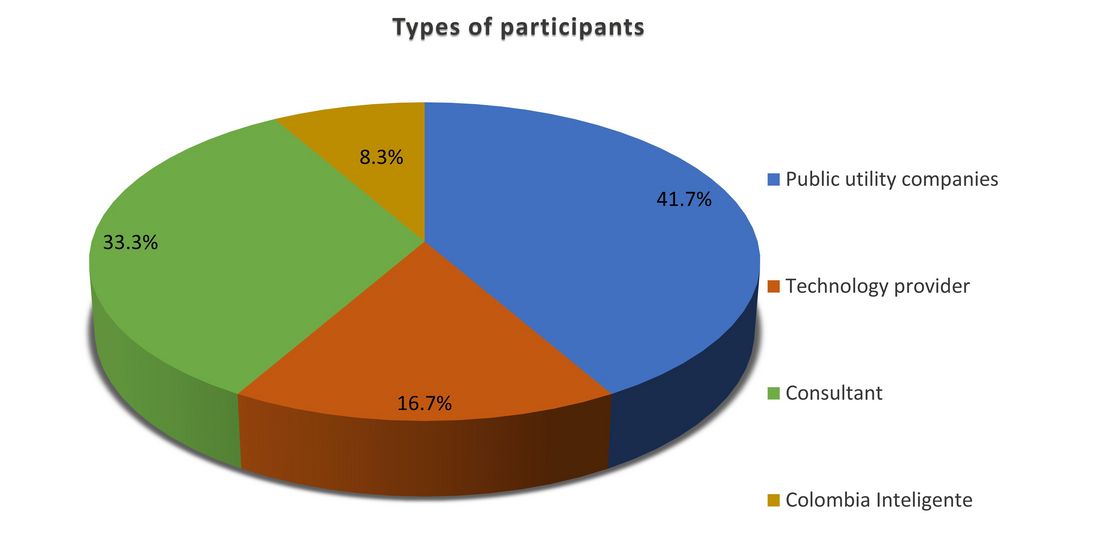
Figure 9 - Survey results – Types of survey participants. Source: authors
5. Results
The following is an analysis of the results obtained from the survey.
5.1. Analysis of Closed Questions
Investment plans and migration capacity: The results show a high level of interest and preparedness in the Colombian electricity sector toward the adoption of digital substations. According to Tables 5 and 6, 83.3% of organizations plan to invest in this technology in the coming years, and 75% believe they have the technical and organizational capacity to carry out the migration. There were no negative or uncertain responses, reflecting a clear interest and a favorable scenario for the implementation of these substations in the country, driven by recognition of the benefits they offer, although it is essential to overcome the challenges they entail.
| ARE YOU CONSIDERING INVESTING IN DIGITAL SUBSTATIONS? | ||||
| Yes | No | Uncertain | Not applicable | |
| 83,3% | 0,0% | 0,0% | 16,7% | |
| ARE YOU ABLE TO MIGRATE TO A DIGITAL SUBSTATION? | |||
| Yes | No | Uncertain | Not applicable |
| 75% | 0% | 0% | 25% |
Expected implementation level: 83.3% of participants plan to implement fully digital substations, with integrated station and process buses, demonstrating a clear desire to migrate to digital systems, as shown in Table 7. The remaining 16.7% plan to achieve partial process bus implementation, due to the need to strengthen knowledge and overcome technical and economic challenges, such as NCIT adaptation. No participant opted for station bus, which is logical since the respondents are experts in this field and do not consider minimal implementation to be a medium- or long-term solution.
| WHAT LEVEL OF DS DO YOU PLAN TO IMPLEMENT IN THE FUTURE? | ||
| Station bus | Partial process bus | Complete DS |
| 0,0% | 16,7% | 83,3% |
Implementation experience: The results in Table 8 show that 50% of participants have implemented between 1 and 5 digital substations, 25% have not implemented any, and the remaining 25% are distributed among the other options.
| EXPERIENCE IN IMPLEMENTING DS | ||||
| Between 1 and 5 DS | Between 5 and 10 DS | Between 10 and 20 DS | More than 20 DS | Has not implemented any DS |
| 50,0% | 8,3% | 8,3% | 8,3% | 25,0% |
Among utilities, 60% have implemented between 1 and 5 DS, 20% between 5 and 10, and 20% between 10 and 20, as shown in the Figure 10.
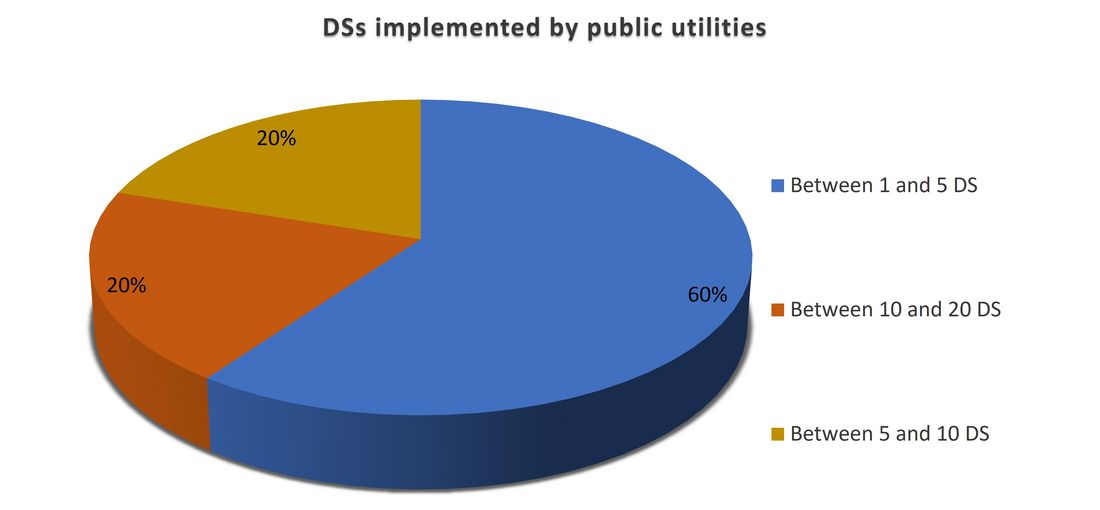
Figure 10 - Survey results – Number of DS implemented by utility companies. Source: authors
Although many organizations have experience with digital substation projects, most are still in the early stages, which points to a promising future, but with challenges and gaps to overcome for wider and more efficient adoption.
Availability of implementation guides: The results in Figure 11 show that 50% of respondents have partial DS implementation guides, while the remaining 50% are divided between those who do have them and those who do not. As shown in Figure 12, 60% of public utilities have complete or partial guides, and 40% do not, which hinders and slows down the adoption of this technology.
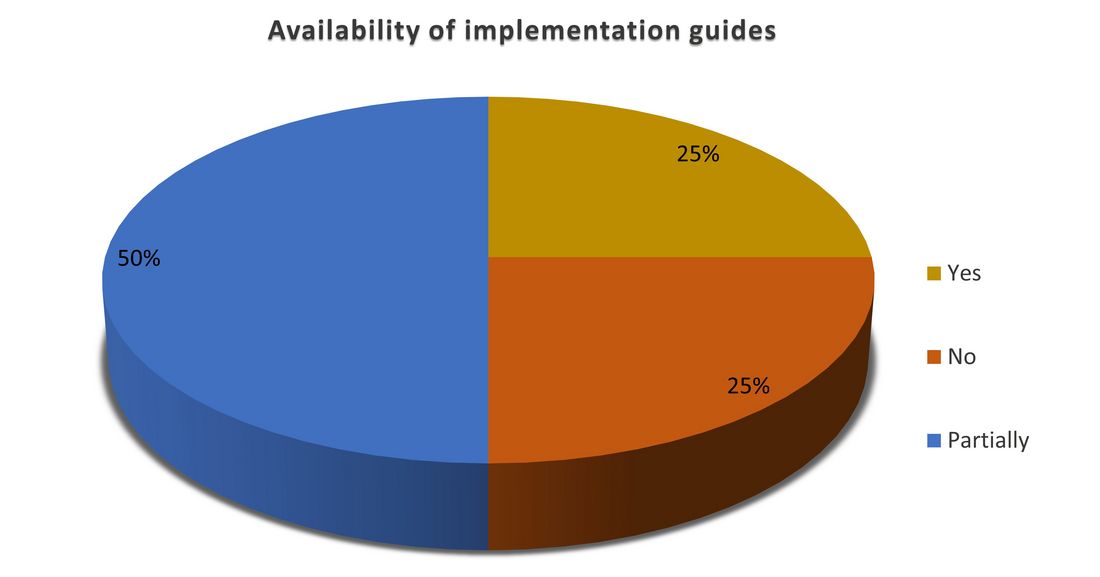
Figure 11 - Survey results – Availability of implementation guides for DS. Source: authors
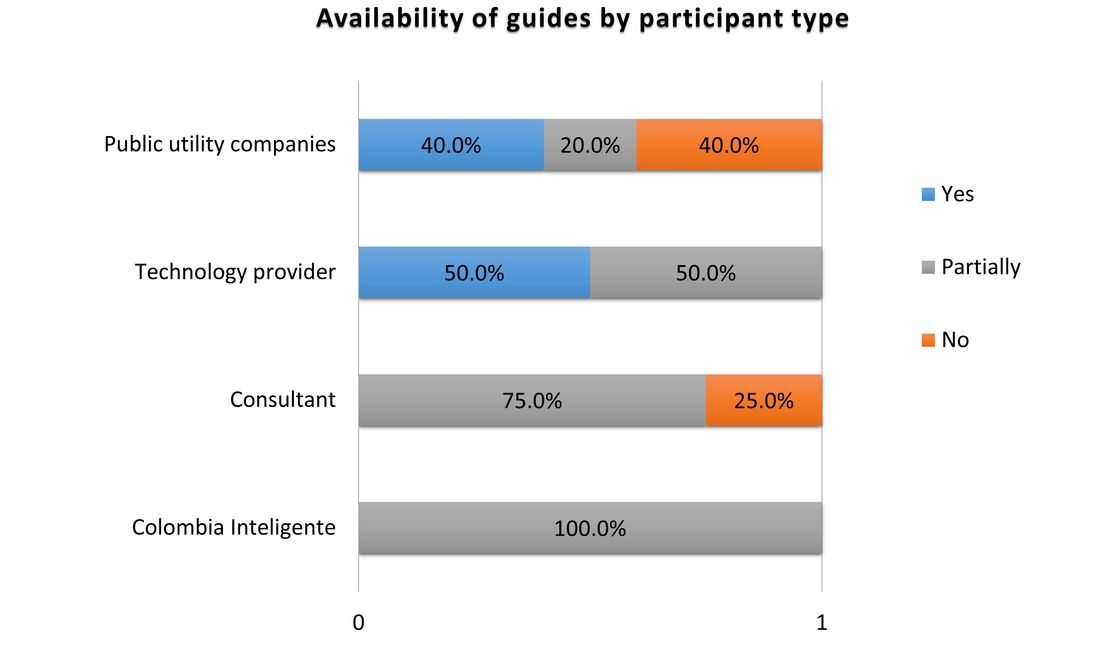
Figure 12 - Survey results – Availability of implementation guides by type of participant. Source: authors
In general, there is a clear need to formalize more comprehensive and detailed guidelines to help companies standardize processes and solutions. In addition, training and the exchange of experiences can help bridge gaps and facilitate the adoption of this technology.
Devices used and favorable technologies: The devices most commonly used in DS implementation are MUs, gateways, IEDs, and switches, which are essential for the development of the station and process bus by enabling data acquisition, control, and transmission. Redbox, routers, and real-time synchronization equipment are also used, while the use of PMUs and NCITs remains limited due to their high costs and limited development in Colombia. See Figure 13.
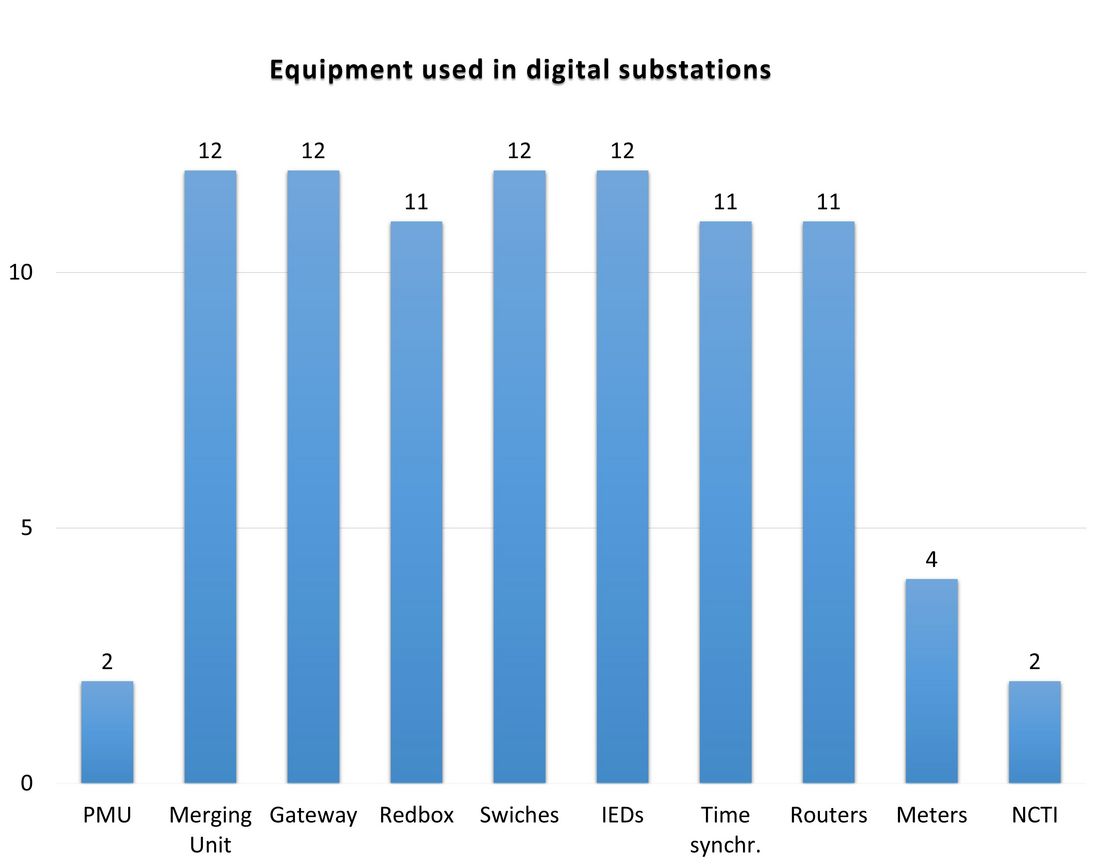
Figure 13 - Survey results – Devices used in the implementation of DS. Source: authors
Technologies that have favored the implementation of DS include IEC 61850-based simulation and testing, fiber optic cabling, Ethernet networks, and the availability of real-time data, which are essential for evaluating device performance and transmitting and analyzing information efficiently and reliably. See Figure 14.
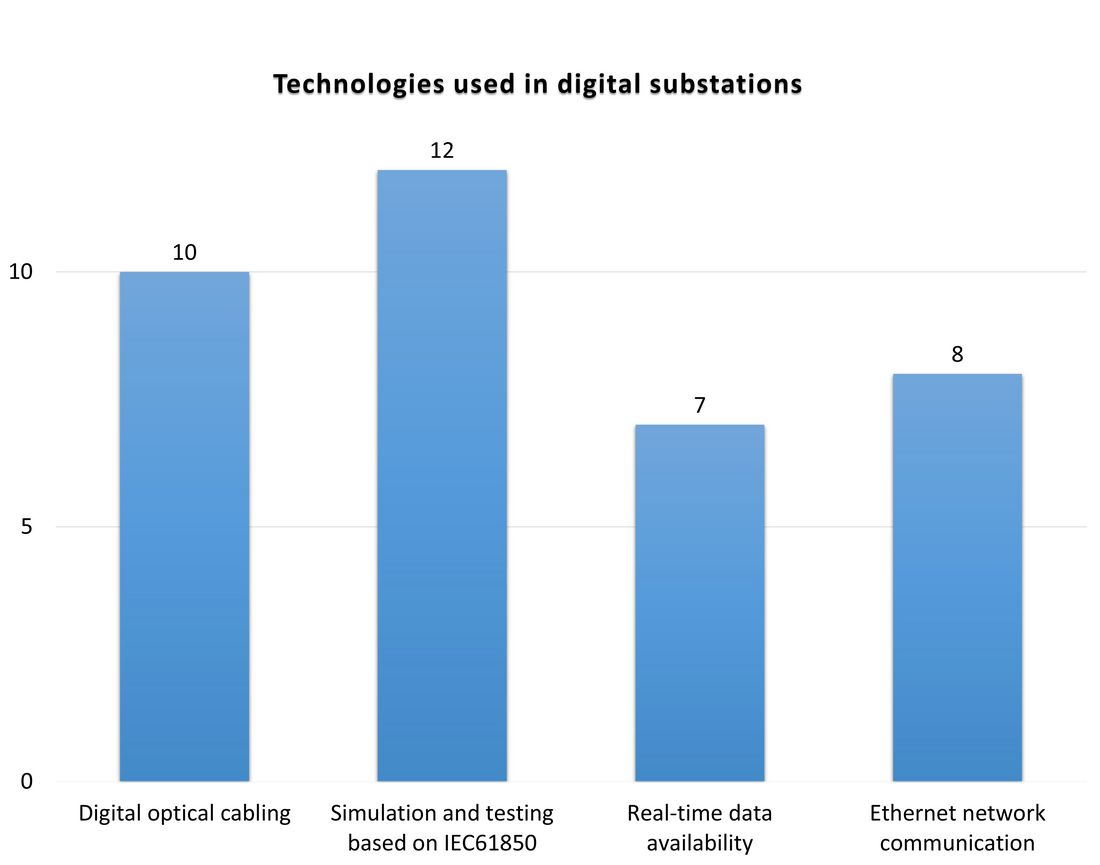
Figure 14 - Survey results – Technologies that have facilitated the implementation of DS. Source: authors
Implementation method: The results in Table 9 show that 33.3% of participants implement DS through EPC contracting, a method that allows for comprehensive coordination from design to commissioning. Twenty-five percent develop them internally, reflecting technical capacity and experience in the area, while 8.3% resort to contracting for assembly and commissioning. The remaining 33.3% who indicate “other” report mixed methods (internal and contracting). Figure 15 shows that public utilities have parity between internal implementation and EPC contracting, both with a 40% share.
| MODALITY USED FOR THE IMPLEMENTATION OF DS | ||||
| Internal implementation | Contracting of technical specifications, engineering or design | Contracting of assembly and commissioning | Contracting in EPC modality | Other |
| 25,0% | 0,0% | 8,3% | 33,3% | 33,3% |
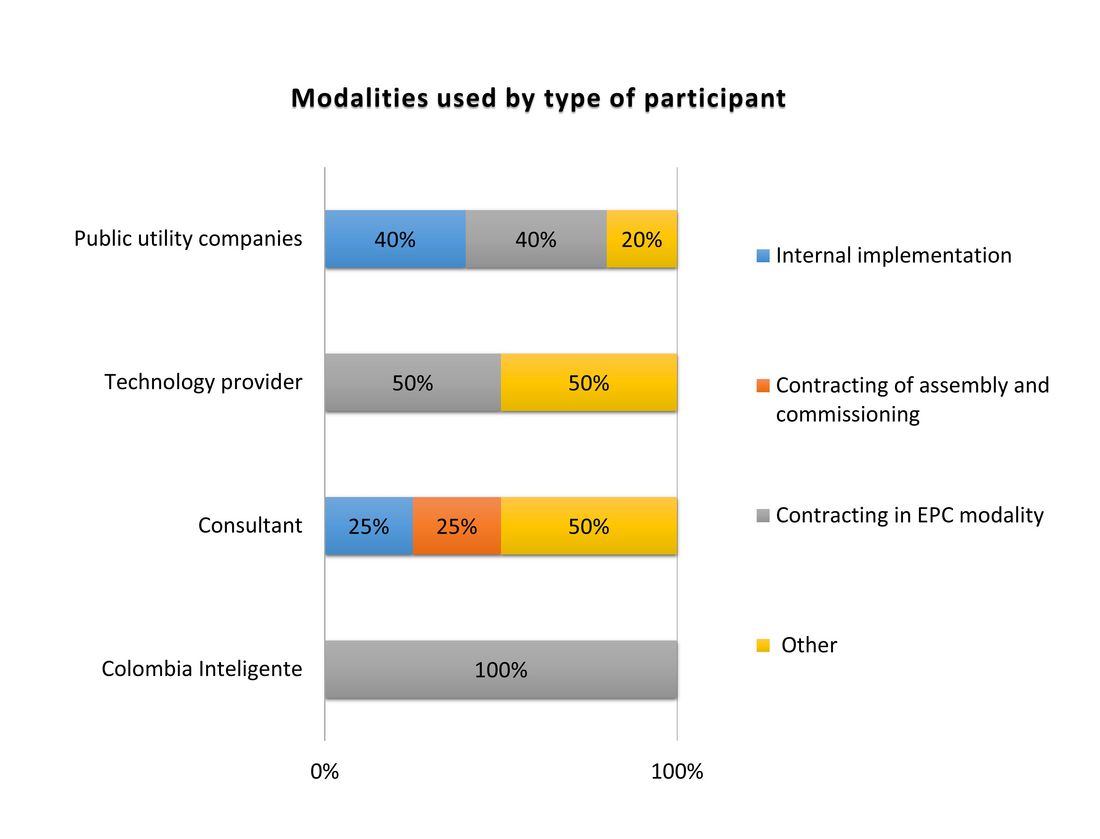
Figure 15 - Survey results – Modalities used for the implementation of DS by participant type. Source: authors
Department promoting implementation: 66.7% of participants point to the engineering department as the main promoter of DS implementation, followed by the maintenance department with 8.3%. The other respondents, who selected the “other” category, mention departments such as consulting and technology studies and assimilation units, as shown in Figure 16. These areas play a key role in the adoption of new technologies, driving operational efficiency, productivity, and competitiveness in organizations.
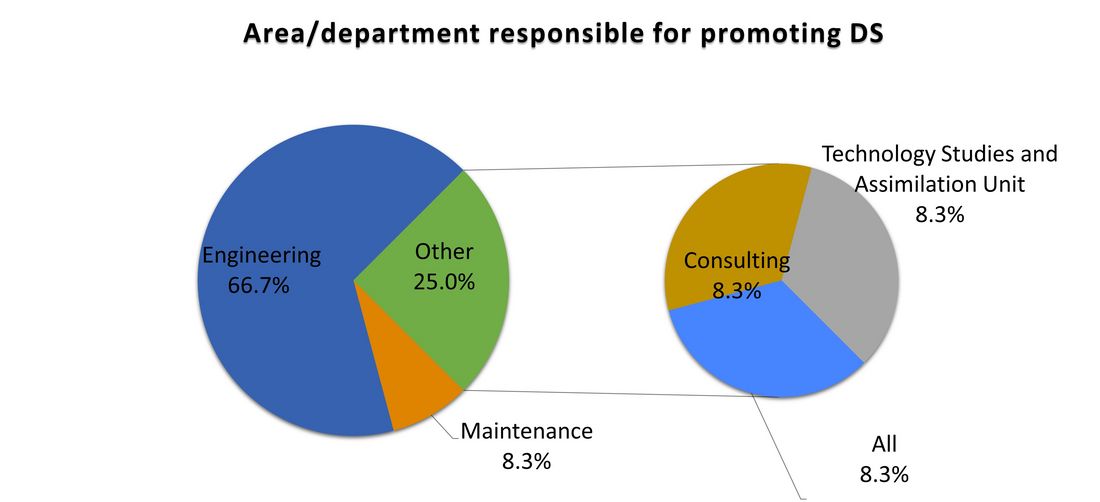
Figure 16 - Survey results – Areas or departments driving the implementation of DS. Source: authors
Knowledge of asset management benefits (CREG 015 of 2018): All participants have full or partial knowledge of the benefits that DS offer in relation to asset management according to Resolution CREG 015 of 2018, as shown in Table 10. This regulation allows organizations to monitor their assets, optimize their useful life, and ensure the reliability of the electrical service.
| ARE YOU AWARE OF THE BENEFITS BETWEEN DS AND ASSET MANAGEMENT (CREG 015 OF 2018)? | ||
| Yes | No | Partially |
| 58,3% | 0,0% | 41,7% |
60% of respondents from public utilities companies, who are directly related to this regulatory instrument, are fully aware of these benefits. On the other hand, the remaining 40% have partial knowledge, reflecting the need to close this gap and strengthen their understanding and regulatory application. See Figure 17.
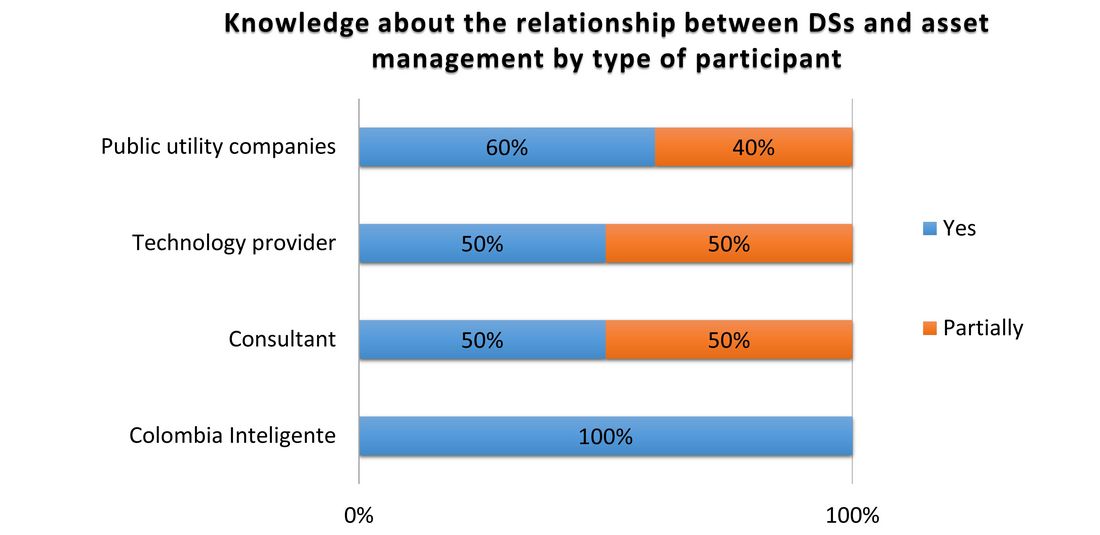
Figure 17 - Survey results – Knowledge of the benefits of DS in relation to asset management by participant type. Source: authors
Awareness of the advantages of digital twins for validation: 83.3% of participants are aware of the advantages offered by digital twins for DS validation, reflecting a high level of recognition and interest in this technological tool (See Figure 18.).
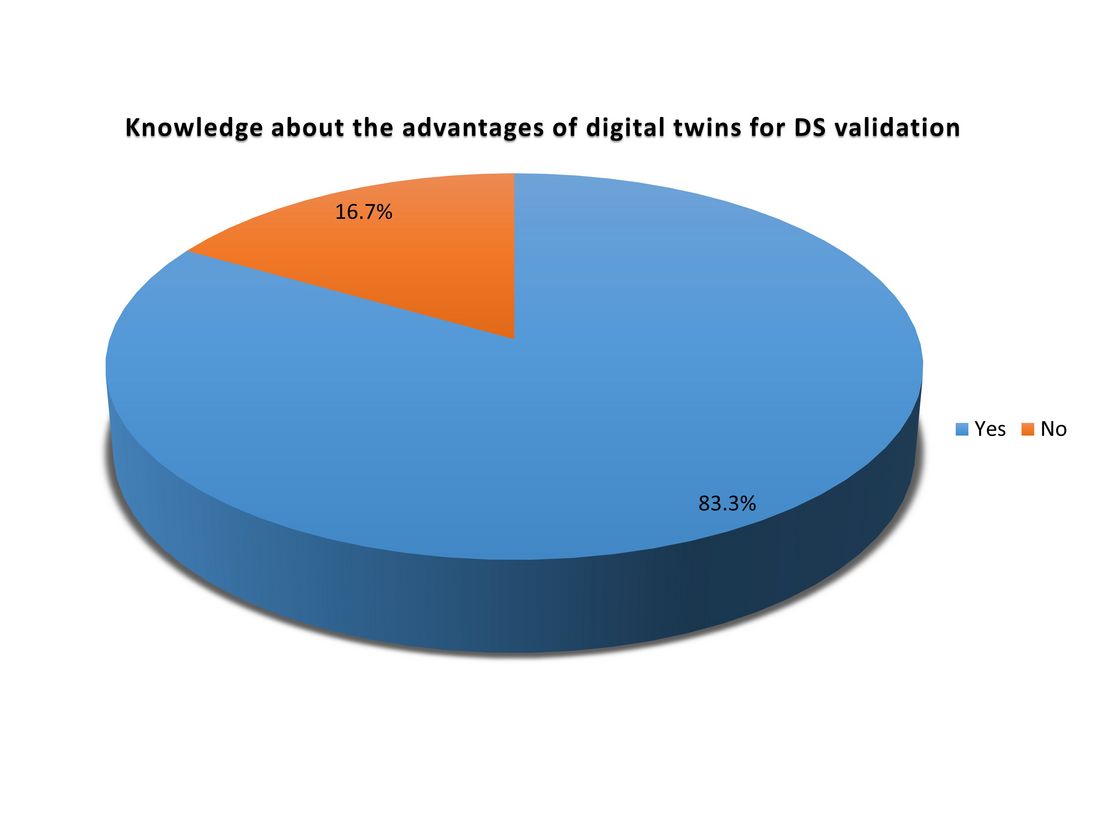
Figure 18 - Survey results – Awareness of the advantages of digital twins for DS validation. Source: authors
Their awareness drives its adoption as a key element in the migration to digital systems and in the modernization of the electricity sector. However, the remaining 16.7% are still unaware of its benefits, highlighting the need to strengthen the dissemination and knowledge of the use and applications of digital twins in this field.
5.2. Analysis of Open Questions
The open questions delved into the specific challenges and requirements for implementing DS in Colombia.
Requirements: Sector research identified the main requirements for the implementation of digital substations in Colombia, which are summarized in Table 11. Requirements are highlighted at the operational, process, bay, and station levels, as well as in other relevant areas, including interoperability, redundant networks, time synchronization, cybersecurity, and maintenance, among others, with their respective descriptions.
| LEVEL / COMPONENT | DESCRIPTION OF IDENTIFIED REQUIREMENTS |
|---|---|
| Process level | Process bus using MUs to digitize analogue signals in substations with conventional transformers. The development of non-conventional technologies such as NCITs needs to be consolidated. |
| Bay level | - Requires appropriate selection of IEDs and integration with yard equipment such as MUs. - Appropriate signal mapping and communication using SV (IEC 61850-9-2), MMS/GOOSE (IEC 61850-8-1). |
| Station level | Station bus with gateway use that allows integration of the different levels of the substation and HMI for local recording and control. |
| SCADA level | Proper management of signal mapping, communication performance validation, real-time monitoring, and advanced data analysis. |
| Communication protocols and networks | - Compliant with IEC 61850, GOOSE/MMS and SV messaging services. - LAN/Ethernet networks and fiber optic process bus connection. - Data traffic management via VLANs (IEEE 802.1Q). - Network architecture with interoperability features under IEC 61850, redundancy, time synchronization and cybersecurity. - Use of devices such as switches, network boxes, data concentrators, among others, that support redundancy and time synchronization protocols. |
| Interoperability | - Systems compatible with SV, GOOSE, MMS communication protocols and logical nodes. - Ensure that all equipment, including IEDs, MUs, gateways, switches, among others, are interoperable in accordance with IEC 61850. - Requires testing to validate SV, GOOSE and MMS messaging compatibility of devices. |
| Redundant architectures | - Requires the implementation of redundancy protocols such as PRP/HSR (IEC 62439-3) and/or in some cases RSTP (IEEE 802.1W), depending on the project requirements. - These networks must guarantee high availability and reliability, without packet loss and with optimal transmission times. |
| Time synchronization | - Employ precise time protocols such as PTP (IEEE 1588) and/or, in some cases, NTP/SNTP, depending on the project requirements. - Synchronization with GPS and use of devices such as transparent clocks, with redundancy. |
| Cybersecurity | - Follow cybersecurity guidelines under the NERC CIP standard and agreement 1960 “cybersecurity guide” [26], issued by the National Operations Council (CNO). - Apply cybersecurity baseline in infrastructure. - Perimeter cybersecurity, access limitation and use of credentials, vulnerability analysis through testing. |
| Data acquisition and analysis | - Digital inputs and outputs at all levels of the substation. - Requires high-capacity data storage and processing systems. - Real-time data availability and analysis (data synchronized under standards such as PTP). - Support with tools such as Wireshark. |
| Control and protection devices | - Compliance with IEC 61850-3 and IEC 61850-1 standards. - Multifunctional devices (monitoring, control and protection). - High-performance protection IEDs, interoperable in accordance with IEC 61850, supporting redundancy and time synchronization protocols such as PRP/HSR and PTP. - Control devices with programming capabilities under IEC 61131-3 (PLC), with the same attributes. |
| Validation testing | - Functional testing, protection scheme validation testing, response times, redundancy, SCADA, among others. - FAT and SAT testing for compliance in digital environments. - Tools for monitoring and evaluating the communications network, as well as GOOSE and SV protocol simulators. |
| Maintenance | Predictive maintenance. |
| Technical expertise of personnel | Personnel qualified in multiple areas of knowledge, such as: IEC 61850 standard, industrial networks, telecommunications, protection, control, automation, programming, testing, among others. In addition, practical experience and soft skills. |
Success factors in the implementation of digital substations:
27.8% of respondents highlighted staff training and education as a success factor in the implementation of digital substations. Mastery of the IEC 61850 standard, the development of technical and technological skills, and continuous updating of knowledge are essential for its correct application and the development of guidelines or profiles.
22.2% of the contributions mention having the right tools for implementing the standard and for the necessary validation tests, as well as having reliable equipment, as a success factor.
16.7% of contributions mention interoperability as a success factor. The flexibility features of the IEC 61850 standard allow for better integration of multi-brand equipment, although it is reiterated that this remains a major challenge when it comes to implementation.
11.1% of contributions mention the standardization of architectures and communication networks as a success factor, as well as standardizing solutions to be implemented in all digital substations.
5.5% of the contributions mention adequate planning, execution, commissioning and monitoring of implementation as a success factor, which refers to structured management and good engineering practices.
The remaining 16.7% of contributions highlight specific benefits such as reduced cabling, complete data mapping with the help of GOOSE, savings in EPC projects and versatility in terms of telecommunications-based substation automation.
Challenges: Sector research identified challenges in the implementation of digital substations, such as economic, technical, technological, and regulatory challenges. The economic challenges focus on high initial costs, the complexity of cost-benefit analysis, the lack of incentives, and limited recognition of investments in this type of project, in addition to technological barriers and resistance to organizational change.
In terms of technical and technological challenges, difficulties in interoperability between equipment from different manufacturers, the adoption of new technologies, precise time synchronization, redundancy, cybersecurity, regulatory limitations, among others, are highlighted and summarized in Table 12.
| CHALLENGES | DESCRIPTION OF THE CHALLENGES IDENTIFIED |
|---|---|
| Interoperability | - Although the IEC 61850 standard offers interoperability, in practice there are limitations and difficulties in integrating equipment from different manufacturers. - Variable technological offerings, with particular attributes and functionalities that can limit multi-vendor integration. - Integrating digital technologies into existing systems poses challenges in terms of compatibility between technologies. |
| Time synchronization and redundancy | Difficulties in implementing time synchronization and redundancy, crucial aspects for ensuring the reliability and operational efficiency of a digital substation. |
| Cybersecurity | Although not explicitly addressed as a challenge, it is understood that cybersecurity represents a significant challenge in digital substations, due to their high exposure to cyber threats in communication networks and the need to protect the integrity of systems and information. |
| Device selection | The specific requirements of each project necessitate a rigorous selection of equipment, particularly in terms of data traffic capacity and time synchronization. |
| Technological tools | Limited access to information, migration to new diagnostic tools and emerging technologies are highlighted. |
| Maintenance | There is a need to redefine maintenance strategies for digital substations, as they are still managed as if they were conventional substations. |
| Regulatory framework | - Lack of clear and specific regulations; current regulations have not been fully adapted to the needs of digital substations, hence the need to always align with international standards. - Regulation in the country is not keeping pace with new technologies. |
| Organizational | The need for cultural change within organizations to adapt to this new technology quickly and efficiently. |
6. Discussion
Analysis of the survey results and document review allowed us to compare the national landscape with the international framework in terms of the requirements and challenges for implementing DS. This comparison is presented in Table 13.
REQUIREMENT/ CHALLENGE | NATIONAL OVERVIEW (Survey) | INTERNATIONAL FRAMEWORK (Document review) |
Technical requirements | Requirements such as interoperability, redundancy, time synchronization, cybersecurity, and, fundamentally, compliance with the IEC 61850 standard were identified. However, the development of DS in Colombia is still in its early stages, with few implementations, partial process buses, and major technical and technological challenges. | -A consolidated infrastructure is established based on the IEC 61850 standard, with interoperability, redundant networks, time synchronization, cybersecurity, use of advanced technologies such as NCITs, and validation processes with FAT tests.
-In these experiences, digitization at the station and process level is complete. |
Organizational requirements | - Technical expertise is required in different areas such as automation, control, telecommunications, among others, especially in the use of new tools and standards.
- Technical expertise represents a challenge, as many companies still do not have sufficiently trained personnel for the implementation and operation of DS. | - Specialized training is essential to operate DS efficiently.
- The importance of interdisciplinary teams and advanced training in IEC 61850 is highlighted, covering topics such as the use of SCL files, handling new configurations, protocols, and simulation tools, as well as digital testing and new roles in design, operation, and maintenance. |
Technical challenges | - Challenges arise in relation to interoperability between different manufacturers, time synchronization, redundancy, updating, and migration to new technological tools.
- There is also a clear lack of specific regulations for DS. | International experiences faced similar challenges in the implementation of DS, but addressed them through simulation and factory acceptance testing (FAT). This helps reduce errors during commissioning. |
Economic challenges | - High initial costs, lack of incentives, and limited recognition of investments are significant barriers at the national level.
- The difficulty in demonstrating tangible benefits, coupled with the lack of clear methodologies for conducting cost-benefit analysis, makes it difficult to justify the economic case and therefore the adoption of this technology. | - Although implementation costs are high, long-term benefits such as reduced operating and maintenance costs justify the investment.
- The initial investment is offset by operational efficiency and reduced physical intervention. |
6.1. Contrast of Requirements and Technical Challenges and Level of Implementation
In Colombia, the main technical requirements for DS implementation have been identified (interoperability, redundancy, time synchronization, cybersecurity, and full compliance with the IEC 61850 standard). However, its development is still in its early stages, with little practical experience and limited adoption. This is because there are still technical and technological barriers that hinder full implementation, resulting in partial solutions (without a process bus or with a partial process bus and very limited use of NCIT). In contrast, international experiences show robust solutions with fully implemented station bus and process bus, where all requirements are satisfactorily met.
Both nationally and internationally, there are common technical challenges in terms of interoperability and redundancy. The difference lies in digital maturity and the level of technology adoption. International cases have developed solutions to anticipate and mitigate these challenges through detailed planning, standardization, and validation using simulators and factory tests, thus reducing errors during commissioning.
Although Colombia recognizes the requirements for implementing DS, its lack of experience and the absence of specific regulations limit its growth in this area. Therefore, taking advantage of international strategies, such as structured planning, standardized solutions and appropriate tools, can help overcome these challenges by adapting them to the specific requirements of each project.
6.2. Organizational Challenges and Staff Competence
In Colombia, companies lack internal personnel with the necessary skills to implement and manage DS, forcing them to rely on third parties through EPC contracting. The document review highlights the importance of structuring and investing in ongoing training programs and interdepartmental collaboration to strengthen the skills of internal staff and ensure that work teams are prepared to manage advanced protection, control and automation systems. Furthermore, international experience shows that internal training and acquired expertise strengthen self-sufficiency for future implementations.
In Colombia, there is a clear need to strengthen the skills of internal staff within organizations to support technological transition, facilitate the operation of digital systems and progressively reduce dependence on third parties for the implementation of DS. This is closely related to the necessary cultural change, not only within organizations, but also in training centers to address these issues at undergraduate level and improve the technical skills of staff involved in the Colombian electricity sector.
6.3. Economic Challenges
The high initial investment, especially associated with CAPEX, the lack of regulatory signals that adequately recognize investment in digital construction units, and the difficulty in demonstrating tangible benefits are the main economic challenges in implementing DS in Colombia. This limits investment decisions and creates uncertainty for industry players, especially when conventional systems with useful life remain in place. However, international cases have demonstrated tangible short- and long-term benefits, such as reduced cabling, installation, operating (OPEX), and maintenance costs, which justify the high investment in assets.
It is necessary to establish appropriate regulatory and remuneration schemes in Colombia to encourage investment in this type of project. Similarly, clear methodologies must be established to carry out cost-benefit analyses and justify the investment.
6.4. Final Considerations
The transition to DS in Colombia is promising, as demonstrated by the high level of interest and investment plans expressed by the stakeholders surveyed. However, this transition faces significant challenges that require a joint effort by all stakeholders in the sector. Overcoming the technical, economic, organizational, and regulatory barriers identified is crucial to accelerating the adoption of this technology and maximizing its benefits for reliability, efficiency, and sustainability in the Colombian electricity system. Learning from international experiences and adapting best practices to the local context will be a key factor for success.
7. Conclusions
The study provided an overview of the current state of the Colombian electricity sector in relation to the implementation of IEC 61850-based digital substations. The main technical, economic, and regulatory requirements and challenges involved in implementing digital substations in Colombia were determined, based on the perspectives and experiences of different actors in the Colombian electricity sector, such as public and private utility companies, consultants, technology providers, and collaborative research networks.
The study provided insight into international experiences with the implementation of digital substations, as documented in the literature. These international experiences serve as a reference for the country, as they demonstrate strategic planning for carrying out digital substation implementation projects and offer solutions that can be adapted to the needs of the Colombian electricity sector.
The successful implementation of digital substations requires strict compliance with the IEC 61850 standard and the integration of advanced technologies and devices that are interoperable with other equipment in the system and that guarantee real-time protection, control, and monitoring of the substation. The substation's communication infrastructure must be robust and reliable, so it is essential to have redundant networks, time synchronization, and cybersecurity. All these elements are essential to ensure a system with high availability, high performance, and security against cyberattacks. Adequate staff training and the use of specialized tools for validation and testing are equally crucial to achieving the objectives of digitization and optimization of digital substations and the electricity sector.
In Colombia, station bus development is highly mature, unlike process bus, whose implementation is still in its infancy and partial in many cases. Although companies in the Colombian electricity sector have high expectations of achieving fully digital substations, the deployment of solutions has been successfully strengthened at the station level, while the process level faces technical and operational challenges that have limited its digitization, highlighting a technological gap that must be addressed strategically.
Although there is clear interest on the part of companies in the Colombian electricity sector to invest and move toward the implementation of digital substations, this process is hampered by technical, economic, and regulatory challenges that need to be identified and overcome. These include those related to high initial investment and the absence of clear regulatory guidelines to effectively guide the adoption process. Therefore, the need for a well-defined regulatory framework that adequately regulates and remunerates these investments is essential to facilitate the implementation of digital technologies in the electricity sector.
The study reveals different lines of action and research aimed at accelerating the implementation of digital substations in Colombia. These include updating regulations to meet the needs of digital substations, strengthening the technical skills of personnel involved in digital substation activities, generating incentives and adequate remuneration for investment in this type of project, strengthening validation and interoperability testing processes, and defining specific maintenance strategies for digital substations. These recommendations are based on a critical analysis of the current situation in Colombia and constitute a valuable contribution to advancing the modernization of the Colombian electricity system.
Acknowledgments: The authors would like to thank the GRALTA research group at the Universidad del Valle, Colombia, and the organizations in the Colombian electricity sector, for their contributions in the development of this paper.
Acknowledgments
The authors would like to thank the GRALTA research group at the Universidad del Valle, Colombia, and the organizations in the Colombian electricity sector, for their contributions in the development of this paper.
References
- Enel Green Power, “La transición energética,” [Online]. Accessed: Apr. 29, 2025.
- C. Solé, “Las redes de electricidad como palanca de la transición energética,” [Online]. Accessed: Apr. 29, 2025.
- Ministerio de Minas y Energía, “Una transición energética justa y sostenible,” [Online]. Accessed: Apr. 29, 2025.
- S. D. Cano Martinez, “Análisis y caracterización de subestaciones en el contexto de redes eléctricas inteligentes, industria 4.0 y automatización dentro del convenio marco de cooperación interinstitucional 080 de 2019 entre la Universidad Distrital Francisco José de Caldas y la empresa,” Undergraduate Thesis, Universidad Distrital Francisco José de Caldas, 2020. [Online].
- CIGRE, “Necesidades, Requerimientos y Desafíos en la Implementación de Subestaciones Digitales en Colombia (Implementación del estándar IEC 61850),” Tech. Rep., 2021.
- M. Benitez Lobato, “Implementación práctica del protocolo IEC 61850 en subestaciones eléctricas. Problemas y soluciones,” Undergraduate Thesis, Universidad de Sevilla, 2016.
- B. Jang, A. Abubakari, and N. Kim, “IEC 61850 SCL Validation Using UML Model in Modern Digital Substation,” Smart Grid and Renewable Energy, vol. 9, no. 8, pp. 127–149, 2018.
- J. C. Peña Suárez and A. I. Vanegas Restrepo, “Subestaciones digitales, una apuesta al futuro,” Revista EPM, no. 15, pp. 29–47, Jun. 2020. [Online].
- T. Amaranto Andrade, “Análisis del protocolo IEC-61850 para la operación de sistemas de distribución inteligente,” Undergraduate Thesis, Universidad Tecnológica de Pereira, Pereira, 2022. [Online].
- O. A. Tobar Rosero, E. Perez Gonzalez, J. F. Botero Vega, G. Zapata Madrigal, O. Roa, J. E. Candelo-Becerra, and R. Garcia Sierra, “Digital Substations and Cybersecurity in the Transformation of the Electricity Sector,” in IEEE Colombian Caribbean Conference (C3), Barranquilla, Colombia, 2023, pp. 1–6.
- E. Gomez Luna, C. Zapata, and M. Fuertes Bravo, “Simulación en tiempo real como parte de la validación para la implementación de subestaciones digitales,” in 2019 FISE-IEEE/CIGRE Conference - Living the energy Transition (FISE/CIGRE), Medellín, Colombia: IEEE, 2019, pp. 1–6.
- A. Khodabakhsh, S. Y. Yayilgan, S. H. Houmb, N. Hurzuk, J. Foros, and M. Istad, “Cyber-Security Gaps in a Digital Substation: From Sensors to SCADA,” in 2020 9th Mediterranean Conference on Embedded Computing (MECO), Budva, Montenegro: IEEE, 2020, pp. 1–4.
- S. Richards, A. Varghese, and A. Procopiou, “Feedback on Installed Experience With Fully-Digital Substations,” in 23rd International Conference on Electricity Distribution (CIRED), Lyon, France, 2015, pp. 1–5.
- E. Vundekari, V. Rokkam, and B. Pamulaparthy, “Digital Substation Evolution in the Journey of Smart Grid,” Power Research, vol. 16, no. 1, pp. 9–17, 2020.
- A. Waleed, U. S. Virk, M. T. Riaz, S. B. Mehmood, S. Ahmad, M. R. Javed, and A. Raza, “Effectiveness and Comparison of Digital Substations over Conventional Substations,” Advances in Science, Technology and Engineering Systems Journal, vol. 4, no. 4, pp. 431–439, 2019.
- Belden, “Enable fully remote and continuous monitoring by digitizing your substation automation systems,” [Online]. Accessed: Nov. 24, 2025.
- B. Pamulaparthy, P. Kumar, S. P. Tati, A. Saxena, V. Goel, and P. Gopal, “Digital Substation Design and Architecture for Power Grid Modernization,” in 2023 7th International Conference on Computer Applications in Electrical Engineering-Recent Advances (CERA), Roorkee, India: IEEE, 2023, pp. 1–6.
- H. Vardhan, R. Ramlachan, W. Szela, and E. Gdowik, “Deploying digital substations: Experience with a Digital Substation Pilot in North America,” in 2018 71st Annual Conference for Protective Relay Engineers (CPRE), College Station, Texas, USA: IEEE, 2018, pp. 1–9.
- J. Theron, C. Cheng, N. Belzile, and H. Sidhu, “Experience with a Point-to-Point Process Bus in a Substation Pilot,” in 2021 74th Conference for Protective Relay Engineers (CPRE), College Station, Texas, USA: IEEE, 2021, pp. 1–22.
- D. Le Tien, Q. Hoang Ngoc Hoai, and M. Kieu Van, “Experience With A Digital Substation Pilot Project of Vietnam Electricity,” in 2022 11th International Conference on Control, Automation and Information Sciences (ICCAIS), Hanoi, Vietnam: IEEE, 2022, pp. 346–351.
- L. Raman and S. Ramamurthy, “Nourshing Legacy Substation with Digital Substation,” in 2022 22nd National Power Systems Conference (NPSC), New Delhi, India: IEEE, 2022, pp. 402–406.
- G. Rodrigues Santos and E. Zancul, “A framework to assess the impacts of digital electrical substations,” Smart Energy, vol. 12, no. 100125, pp. 1–11, 2023.
- ElectroIndustria, “Subestaciones eléctricas digitales,” Revista ElectroIndustria, pp. 8–20, Jul. 2023. [Online].
- E. Gomez Luna, O. A. Tobar Rosero, J. F. Piñeros, F. Hernández, M. Quintero, W. Castillo, J. D. Molina, and C. M. Giraldo Arenas, “Implementation of the IEC 61850 standard in Colombia - Requirements and challenges in the implementation of digital substations,” ELECTRA CIGRE, no. 336, pp. 1–7, 2024.
- S. Leiton and E. Gomez Luna, “Requerimientos y Desafíos Técnicos para la Implementación de Subestaciones eléctricas Digitales en Colombia.,” Undergraduate Thesis, Universidad del Valle, Cali, 2025.
- Consejo Nacional de Operación, “Acuerdo 1960 - Guía de Ciberseguridad,” [Online].Accessed: Mar. 18, 2026.