Leveraging Virtual Power Plants to Enhance Reliability and Sustainability in AI-Driven Data Centers
Authors
Samaneh MOROVATI - Quanta Technology, USA
Shadi CHUANGPISHIT, Amin ZAMANI - Quanta Technology, Canada

Summary
The rapid growth of hyperscale data centers, driven by the surge in artificial intelligence (AI) workloads, is increasingly outpacing available grid capacity. As a result, large data centers are turning into on-site generation, not only to meet their substantial power demand but also to ensure reliability and sustainability in the face of constrained grid infrastructure. Although integrating on-site energy resources into data center infrastructure creates design and operational challenges, it also offers opportunities to optimize performance using advanced control and automation systems. Traditionally, data centers have been dependent on diesel generators for emergency backup power, which come with higher carbon emissions and limited control flexibility. Meanwhile, other generation technologies such as energy storage systems (ESSs) and green fuel cell technologies provide promising alternatives to address these environmental impacts as well as provide additional control and optimization flexibility albeit at lower capacity.
While integrating advanced on-site generation technologies, future and expanding data centers could benefit from Virtual Power Plant (VPP) controller, which maximizes the value of on-site generators, such as ESSs, fuel cells, and natural gas generators, and furthermore supports the management of large loads and addresses power quality issues caused by fluctuating AI workloads. The VPP controller, combined with advanced inverter technology, can help mitigate the impact of pulsating loads. The implementation of a VPP controller within the data center can significantly enhance the reliability and resilience of data center power supply while addressing the capacity constraints and power quality requirements at the Point of Interconnection (POI) with the utility grid.
The paper highlights key challenges faced by AI-driven data centers and explores the role of VPP controller both in mitigating these issues as well as coordinating diverse on-site generation assets and delivering optimized solutions for data centers. The concept of a VPP-embedded data center is introduced, featuring advanced technologies such as advanced control and optimization platform as well as inverter-based resources and their critical role in maintaining power quality with large AI-driven loads.
The paper then discusses the required VPP functions targeting data center operation both in grid-connected and off-grid modes and focusing on use cases which address high energy demand, enhance system reliability, alleviate grid congestion, and improve power quality – all while supporting sustainability objectives. Finally, a comparative analysis is conducted between different on-site generation placement options (LV, MV or HV) and the pros and cons of each configuration is elaborated. The paper concludes with future research directions and next steps.
Keywords
Virtual Power Plant, Advanced Control System, Grid Forming, Grid Connected, On-site Energy Resources, Data Centers, Reliability, Sustainability1. Introduction
The rapid expansion of hyperscale data centers, driven by the emergence of Large Language Model (LLM) loads, is putting significant pressure on utility infrastructure. On the demand side, it is expected that AI-driven data centers will account for 4.5% of global energy generation by 2030 [1]. The delays from utilities in meeting this growing demand are also prompting data center operators to increasingly rely on On-site Energy Resources (OERs). Hence, the next generation of data centers is prioritizing reliability, sustainability, and energy efficiency by integrating sustainable energy systems. Using this approach data centers can also explore participation in energy markets to achieve cost savings, enhance resilience, and reduce their carbon footprint [2].
To further reduce grid dependence, advanced generation technologies like ESS, long-duration energy storage systems (LDES), and green fuel cells are becoming essential. Beyond on-site generation, data centers must enhance their energy management, load balancing, and real-time control capabilities using advanced control and monitoring systems. VPPs offer a promising solution to these evolving needs. When properly designed and implemented, VPPs can turn operational challenges into mutually beneficial outcomes for data centers, as OER asset owners, and for grid operators [3]. VPP integrates locally controllable and dispatchable power sources, including technologies like combined heat and power units and emerging microreactors based on small modular reactor technology. It can also incorporate local renewable energy resources, such as solar systems, alongside energy storage systems.
Advanced control platforms within the VPP can manage energy use efficiently, stabilize fluctuating loads, and adapt to the specific load profiles of modern data centers. VPP controller functionalities must be tailored to match the type and criticality of loads, ensuring optimal use of available generation resources. The VPP controller enables the controlled operation of large OERs, helping to keep the host grid’s operation within acceptable limits. The following subsections discuss how VPPs can help address the challenges faced by the next generation of data centers.
2. Challenges for the Next Generation of Data Centers
The next generation of data centers, particularly those supporting the training and inference of LLMs, are experiencing increasingly complex energy management challenges due to their large and uncertain demands. Unlike traditional IT applications, LLMs exhibit highly variable and non-linear power demand profiles, characterized by sharp load ramps, high peak power requirements, and irregular duty cycles (see Figure 1 for an example). As these facilities shift toward more dynamic, high-density workloads, several key challenges must be addressed to maintain the efficiency, reliability, and resilience of both grid and data centers. Table 1 outlines some of these key challenges alongside high-level guidelines to address them effectively.
| Category | Challenges |
|---|---|
| AI-driven Loads |
|
| On-Site Generation | Determining the appropriate size, capacity, and type of OERs is complex and must account for peak loads, redundancy requirements, and island operation with pulsating AI workloads. |
| Advanced Control |
|
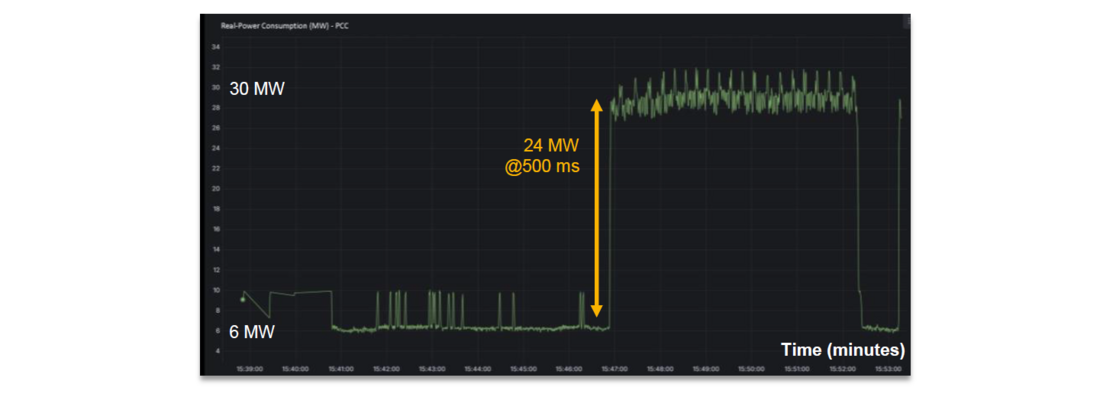
Figure 1 – Real power at the building level in an AI-driven data center [4]
Given the challenges outlined above, the need for an advanced control platform within VPP-embedded data centers is critical. A robust and advanced VPP controller plays a central role in addressing these complexities by enabling real-time coordination with OER controllers, optimized energy management, and seamless transitions across various modes of operation. The core functions of the VPP controller are discussed in detail in Section 3.
3. VPP-Embedded Data Centers
This section outlines how a VPP system can enhance the reliability and sustainability of data centers by leveraging advanced technologies, specifically state-of-the-art power electronics, both centralized and decentralized control systems, and sophisticated optimization and automation schemes.
According to IEEE Std 2030.11-2021, a VPP is defined as “a distributed energy resources management system that has the purpose of aggregating and controlling dispersed energy assets in blocks of resources (generation, energy storage, or controllable demand) that can be remotely and automatically dispatched using meters, a software system, and a communications network” [5]. This definition may be further expanded to encompass a broader range of functionalities and applications, depending on the specific context in which a VPP is deployed. This article reviews VPP-embedded data centers as an innovative approach to leverage emerging OER technologies, coordinated through VPP control and monitoring platforms, to enhance grid reliability and manage large loads that local electric utilities cannot meet [2].
An embedded VPP can play a vital role in managing large data center loads while optimally the use of OER assets. It enhances the reliability of data center, reduces grid congestion, and enables participation in electricity markets. By operating within a single, synchronously connected electrical grid, the VPP can deliver unified grid services, across distribution, transmission, and/or market levels.
Advanced technologies like inverter-based resources (IBRs) and real-time control systems are key to ensuring the reliability and resilience of VPP-embedded data centers [6]. These technologies enable smart coordination of OERs to handle fast-changing loads, improve power quality, and reduce dependence on traditional redundancy. IBRs offer fast grid-forming controls and harmonic mitigation, while the VPP controller optimizes operations across both grid-connected and islanded modes. Table 2 categorizes some of the applicable technologies that can be integrated within a VPP-embedded data center, highlighting their functional roles in supporting reliable, resilient, and efficient operation.
| Category | Technology | Functionality |
|---|---|---|
| Generation |
| On-site power generation to reduce grid congestion and support islanded operation during grid outages. |
| Energy storage |
| Store excess energy, enhance power quality, provide fast frequency response, and serve as backup power. |
| Power conversion |
| Convert and regulate AC/DC power, enable grid-forming capabilities, and improve power quality |
| Control, automation, and monitoring |
|
|
In VPP-embedded data centers, this facilitates seamless operation across multiple modes such as normal operation, transition states, and off-grid scenarios. These modes define the data center’s dynamic response to both routine/daily operations and grid disturbances, as outlined below:
- Normal mode (also known as grid-connected mode)
- Transition mode
- Islanding (transition from normal mode to the off-grid mode, e.g., in response to a grid event)
- Reconnection (transition from islanded mode to the grid-connected mode once the grid is restored)
- Off-grid mode (also known as islanded mode)
Figure 2 illustrates the simplified schematic of a VPP-embedded data center within one balancing authority (BA) demonstrating the use of different advance technologies. This schematic assumes multiple data centers may exist within a BA, each capable of forming an individual VPP with peer-to-peer communication and networking as needed. As shown in this figure, each individual VPP can function as a microgrid and operate in either grid-connected mode or off grid mode.
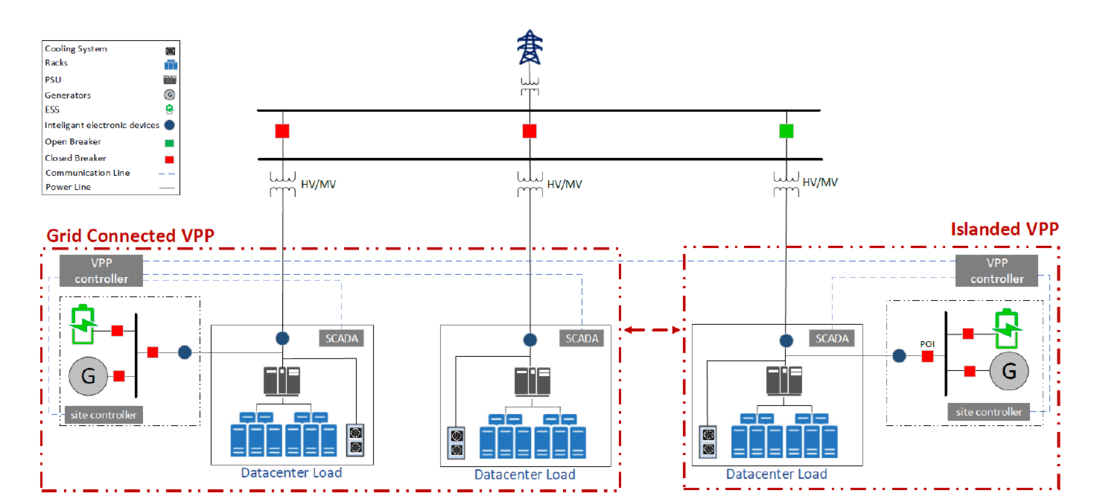
Figure 2 – VPP-embedded data center in one balancing authority
4. VPP Controller - An Advanced Control platform
By aggregating and optimizing a diverse set of OER assets, VPPs enable real-time responsiveness to changes in demand, supply fluctuations, and grid disturbances. This allows for seamless transitions from grid-connected mode to the islanded mode, as well as smooth resynchronization back to the grid once conditions stabilize.
At the core of the VPP architecture lies the VPP controller, which serves as the central intelligence of the system. It is responsible for executing critical functions such as control, optimization, communication, and real-time decision-making. These capabilities, coordinated with fast control of OERs, enable the VPP to effectively fulfill its predefined use cases across a range of operating conditions. Figure 3 describes the core functions that deal with automation and dispatch of OERs, load management, demand response management, and market participation [2]. By intelligently managing OERs, the controller ensures safe operation in each mode and facilitates seamless transitions between them as discussed in the following sections.
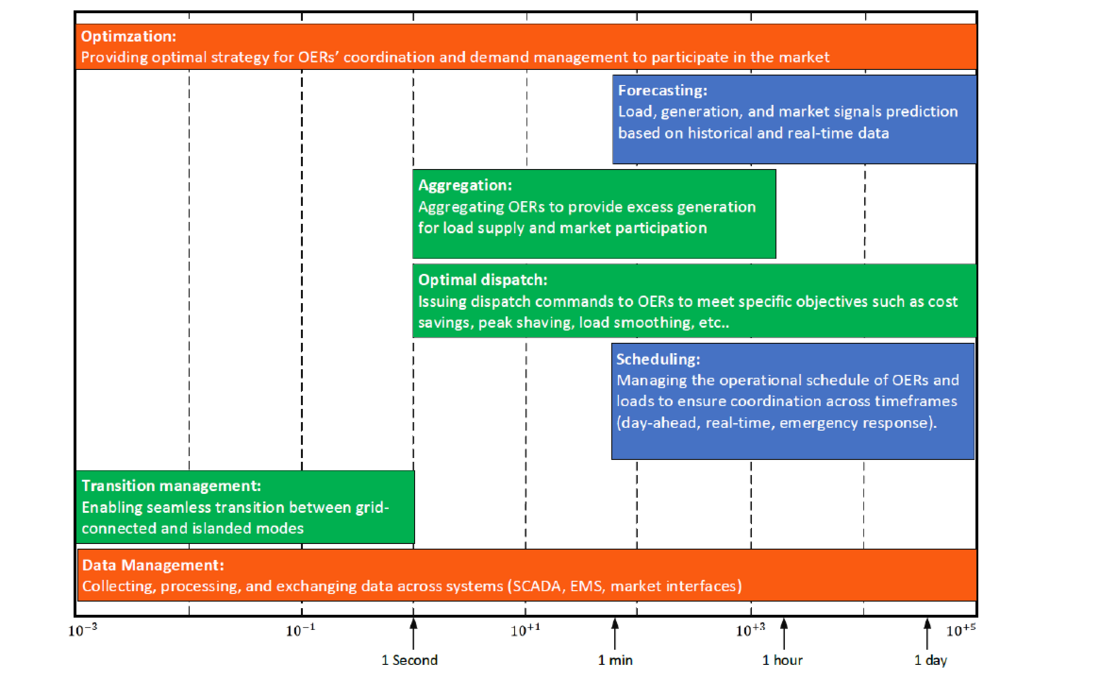
Figure 3 – VPP Controller Sample Core Functions
4.1.1. Normal Condition (Grid Connected)
Under normal conditions, the data center operates in a grid-connected mode, with the VPP controller optimizing energy usage while maintaining readiness to respond to potential disruptions. In this mode, the VPP continuously manages OERs to reduce costs, enhance efficiency, and improve overall operational stability. Key advantages of a VPP-embedded data center during normal operation include:
- Load Optimization: VPPs manage OERs such as solar, ESS, LDES, and backup generators to reduce peak demand charges and improve efficiency. Additionally, the control system helps smooth out lower-frequency load fluctuations.
- Market Participation: Excess capacity can be aggregated and sold into energy markets, generating revenue or earning grid services credits.
- OER Readiness: VPPs maintain OERs in optimal condition, ensuring energy storage is charged and assets are synchronized for seamless operation during a grid event. More importantly, they manage inverter-based OER control modes and functions to reduce the impact of highly intermittent data center loads.
- Predictive Analytics: Advanced forecasting tools can anticipate demand spikes or grid issues, allowing proactive energy positioning.
4.1.2. Transition Mode
4.1.2.1. Islanding (Grid Connected Mode to Islanded Mode)
When a disruption occurs, the VPP controller initiates a transition to islanded mode to maintain operations through coordinated control of its own OERs and those from other VPPs within the same BA. This rapid and automated response minimizes system downtime, enhancing overall reliability and availability. However, achieving this requires advanced control systems and EMS coordination to balance large loads and manage fluctuations during the transition. In particular, the OERs must be capable of providing fast response to planned and unplanned grid events.
4.1.2.2. Reconnection (Islanded Mode to Gird-Connected Mode)
Once the grid stabilizes, the VPP controller initiates a controlled reconnection process. It gradually synchronizes OERs with the grid to ensure a seamless transition, minimizing the risk of disruptions or instability. However, due to significant fluctuations in AI load, the VPP controller cannot complete the synchronization task alone. This requires close coordination with OERs, including those at medium- and low-voltage levels. Therefore, it is important to strategically locate OERs, particularly ESS, to improve the likelihood of seamless reconnection. Once reconnection is complete and the system stabilizes, the VPP resumes operation in normal mode.
4.1.3. Off- Grid Operation (Islanded Mode)
In islanded mode, the data center operates independently from the utility grid by leveraging VPP-coordinated OERs. During this mode, the VPP controller takes full responsibility for maintaining voltage, frequency, and load balancing locally, ensuring that critical operations remain stable and uninterrupted.
The advantages and challenges of operating AI-driven data center in the off-grid mode using the VPP controller are summarized in Table 3.
| Advantage/ Challenges | Description |
|---|---|
| Automated Operation |
|
| Improved Power Quality | Islanded mode allows the data center to decouple from grid-related power quality issues such as voltage sags, frequency deviations, harmonics, or transients. |
| Limited Generation Capacity | OERs may not fully support all loads for extended periods, particularly for LLM-dominated data centers built for model training. |
| Load Management | Managing fluctuating loads in islanded mode requires advanced solutions, which can be costly and time-consuming to implement. Additionally, the technology readiness level is not yet fully mature. |
5. Comparative analysis of OER Placement at VPP-embedded data centers
This section provides a comparative analysis of OER placement within the VPP-embedded data center, highlighting the advantages and disadvantages of each location to support full VPP functionality. Table 4 provides a comparison of OERs connected across various voltage levels—Low Voltage (LV), Medium Voltage (MV), and High Voltage (HV)—highlighting key factors such as typical OER types, power capacity, installation complexity, and operational flexibility. This comparison helps to evaluate the suitability of connecting different OER technologies at each voltage level for different applications within data centers, ranging from backup power systems to power quality improvement to large-scale grid services.
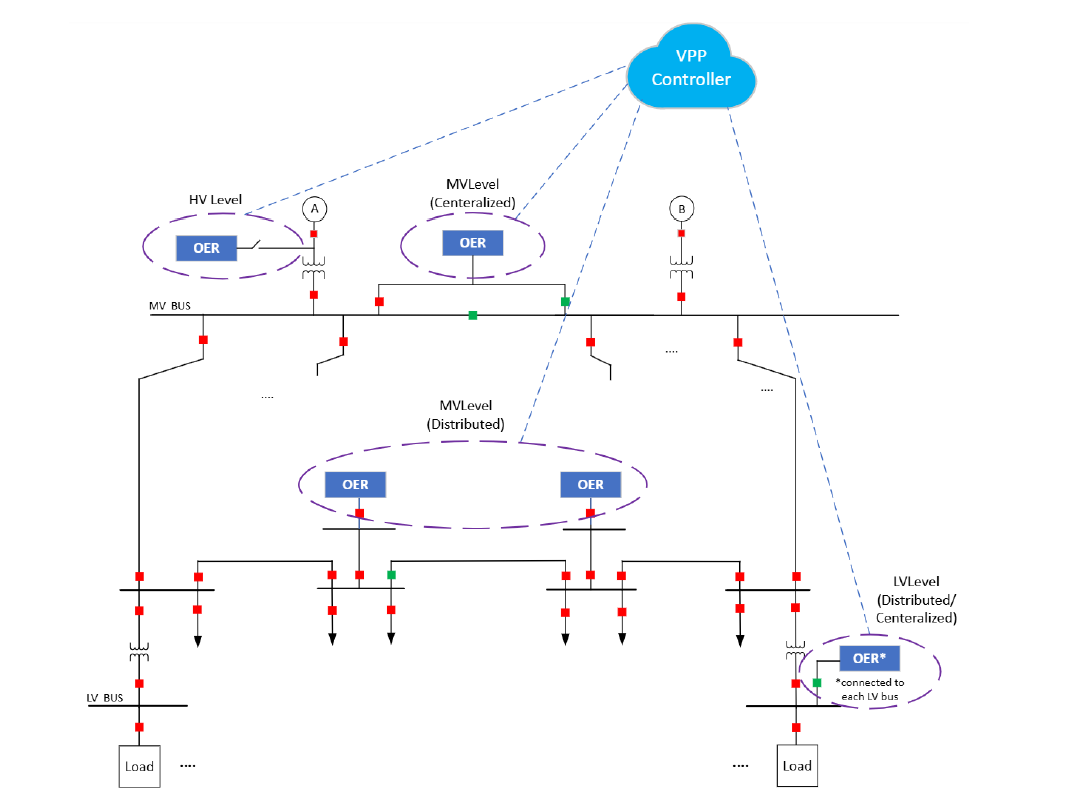
Figure 4 – Sample VPP-embedded data center
| Voltage Level | OER Integration | Pros | Cons |
| Low voltage |
|
|
|
| Medium voltage |
|
|
|
| High voltage |
|
|
|
6. Conclusion and Next Steps
This paper explores the integration of VPP capabilities within next-generation data centers, highlighting the role of advanced technologies such as IBRs, real-time control platforms, state-of-the-art optimization and automation algorithms in enhancing power quality, operational resilience, and energy efficiency. The integration of an advanced control platform within the VPP architecture enables intelligent coordination of OERs, allowing data centers to operate effectively across grid-connected, islanded, and transitional states. By shifting away from traditional over-redundant topologies, the proposed VPP-based approach supports a more agile, scalable, and sustainable model for energy-resilient data center design.
References
- D. Patel, D. Nishball, and J. E. Ontiveros, “AI Datacenter Energy Dilemma – Race for AI Datacenter Space”, Mar. 2024
- F. Katiraei, S. Morovati, S. Chuangpishit and S. A. Ghorashi, "Virtual Power Plant Empowerment in the Next Generation of Data Centers: Outlining the challenges," in IEEE Electrification Magazine, vol. 11, no. 3, pp. 35-44, Sept. 2023, doi: 10.1109/MELE.2023.3291228.
- Rahimi, Farrokh, and Mohammad Shahidehpour. "Virtual Power Plants for High DER Distribution Grids [Guest Editorial]." IEEE Electrification Magazine 13, no. 1 (2025): 6-10.
- Ghasaei, Arman. "As we are reaching the weekend, I wanted to share here about our latest observations on how crazy consumption of a data center can get!!!", LinkedIn, March 2025
- "IEEE Guide for Distributed Energy Resources Management Systems (DERMS) Functional Specification," in IEEE Std 2030.11-2021, vol., no., pp.1-61, 9 June 2021, doi: 10.1109/IEEESTD.2021.9447316.
- Designing and Managing Data Centers for Resilience: Demand Response and Microgrids, US Department of Energy, Office of Energy Efficiency and Renewable Energy