The Impacts of the F-gas Regulation (EU) 2024/573 on High Voltage Gas Insulated Switchgear Operators within the Power Transmission Industry
Author
Michael James Strachan - Robert Gordon University

Summary
The environmental impact of Sulphur Hexafluoride (SF₆), a potent greenhouse gas used in high-voltage gas-insulated switchgear (GIS), has prompted a significant regulatory shift in Europe through the F-gas Regulation (EU) 2024/573. This study investigates the implications of this legislation on high-voltage switchgear operators, focusing on the transition to SF₆-free alternatives. Using a mixed-methods approach combining industry-wide questionnaires and a semi-structured expert interview, the research evaluates perceptions, challenges, and readiness within the sector. Findings reveal strong industry support for SF₆-free technology driven by sustainability goals and regulatory compliance, though concerns persist over costs, equipment availability, and operational complexity. A notable divide exists between stakeholder awareness and preparedness, particularly in the UK, where the regulation does not directly apply. Technical limitations, supply chain constraints, and training gaps were identified as key adoption barriers. Despite these challenges, the study concludes that with coordinated industry efforts, the transition is feasible and critical for decarbonising power transmission. This research contributes original insights by bridging the regulatory, operational, and market perspectives of SF₆-free implementation, highlighting the broader consequences for long-term asset strategy and environmental impact.
Keywords
Switchgear, Sulphur Hexafluoride, & Regulation1. Introduction
This growing demand for a more sustainable electricity network has intensified concerns over the widespread use of Sulphur Hexafluoride (SF6) in high-voltage gas-insulated switchgear (GIS), despite its excellent insulating properties. With SF6 having an extreme global warming potential (GWP), equivalent to 23.5 tons of CO₂ per kilogram (Stocker, 2013) and an atmospheric lifetime of 3200 years (Energy Networks Association, 2015), there is increasing pressure to adapt to environmentally friendly alternatives as recognised in the Kyoto Protocol (United Nations, 1997). Although SF₆-free technologies have been in development for several decades, the EU F-gas Regulation has served to accelerate their adoption and bring greater urgency to their deployment, rather than acting as the starting point for innovation.”
SF6 possesses many properties including its high dielectric strength, arc-quenching capacity, and inert chemical compound (Kieffel et al., 2016). Having such qualities is why many manufacturers and designers adopt SF6 gas to effectively produce HV Switchgear in a compact and safe design. However, despite being an excellent compound for insulating at high voltages, the harmful nature of the gas will inevitably cause a detrimental impact on the environment. Moreover, as around 10,000 tons of SF6 are used annually in electricity transmission (Kieffel et al., 2016), and around 80% of SF6 used in electrical switchgear (National Grid, 2025), the prominent use is evidently a major issue. These concerns are accentuated with transmission networks possessing an annual average leakage rate of 1.29% (Widger and Haddad, 2018). As SF6 free systems (such as technical gas mixtures, natural origin gases, etc.) have been on the market for over a decade (Alstom, 2015) presenting opportunities for operators to better power the grid with more sustainable alternatives. Now in a strong position with multiple voltage variants, the global switchgear market is expected to rise by more than 53% over the next 8 years (Straits Research, 2024).
Nonetheless, a recent change in European regulation (Regulation (EU) 2024/573) governing the usage of F gases (enforced March 2024), has prompted a fresh analysis of the current position of the switchgear market. With a limited number of studies recorded pertaining to this aspect of the field, this research seeks to solely provide a focus on the perception and impacts which will emanate from these stringent regulations. Reliable SF6 free alternatives in GIS are increasing in popularity, however an effective evaluation is required to determine what the true outcome of the regulatory measures will be on the industry.
This research aims to: Evaluate the impacts of the F-gas Regulation (EU) 2024/573 on High Voltage Switchgear Operators within the Power Transmission Industry. To achieve this, the following objectives were developed to ensure successful completion:
- Appraise the European F-gas Regulation (EU) 2024/573
- Critically appraise the current adoption of SF6 free mediums across the High Voltage Transmission industry.
- Review the impact of SF6 free alternatives on critical areas such as cost, programme, maintenance, sustainability, and health and safety.
- Evaluate the challenges and opportunities for HV switchgear operators in adopting SF6-free alternatives to comply with the recent F-gas Regulation.
This paper builds upon previous key studies (Billen et al., 2020) (Cui et al., 2023) seeking to manifest the current industry position on the emerging adaptions resulting from the recent regulation changes in the European Union. The present relevance of this study is made known in the widespread expansion of the electricity network in both GB and the EU. Achieving the targets outlined by the National Energy System Operator (NESO), the independent system planner and operator for Great Britain’s energy system, will require a total investment of over £112 billion, with £54 billion needed for the Pathway to 2030 recommendations and a further £58 billion for network upgrades beyond 2030 (Adcock and Walker, 2024). These targets for grid development alongside regulatory commitments have created strong backing for a comprehensive analysis of the true impact of this fastdeveloping market.
2. Literature review
The specialist nature of the industry lends itself to a spectrum of research in a variety of forms bearing both detail and quality. Since GIS production in the early 1970’s (Maiss and Brenninkmeijer, 1998), associated research has followed a distinct, observable pattern leading to the current position of SF6-free alternative systems. Whilst well established, most research is located within the technical sphere of switchgear development, predominantly focusing on equipment functionality. However, numerous avenues of wider study have led to a comprehensive approach taken to investigating the research around emerging technological developments alongside publications based on regulatory involvement.
2.1. Growing Environmental Awareness
In the early period of GIS installations from 1967 onwards, research conducted by Meinecke (1995) on behalf of ABB highlighted the many benefits and advances of Gas Insulated Switchgear technology. Attention was focused on achieving substations with a physical footprint only 10–20% the size of conventional substations, while also highlighting the key dielectric properties of SF₆ and the benefits of lowmaintenance solutions. However, due to an early understanding of SF6 in the industry, Meinecke failed to recognise the significant compounding effects of SF6. It was portrayed that the overall impact on the greenhouse effect is insignificant due to its contribution as small as 0.06 %.
While this may be conservative numbers for concealed systems environments, the past decades have revealed that this picture is far from the current reality. Similar publications (Hasegawa et al., 1997, and Hoshina et al., 2000) reflect the industry's focus on technical advancements rather than the harmful environmental implications. Meinecke also revealed that regarding SF6 alternatives, there was “no alternative up to now” consolidating the stance and position of the industry at the time. An earlier paper by Van Sickle and Yeckley (1965) presenting a 550 kV SF6 Insulated Circuit Breaker, also follows a similar narrative demonstrating the key features of the technology whilst failing to disclose the crucial consequential properties of SF6.
This lack of understanding was gradually realised in the late 1990’s when researchers and analysts began to grasp the extensive damage associated with SF6. Measurements gathered by Rinsland (1993) and his team showed that SF6 concentration in 1970 was 0.03 parts per trillion by volume (PPT), which increased by two orders of magnitude to a global mean value of 2.8 PPT in 1992. This finding is also supported by primary data collected by the Global Monitoring Laboratory (2024) illustrating the significant increase in the Global concentration of SF6 as shown in figure 1. With approximately 80% of global SF₆ consumption attributable to the electrical industry (DILO, 2024), its use has become a matter of increasing concern.
This lack of understanding was gradually realised in the late 1990’s when researchers and analysts began to grasp the extensive damage associated with SF6. Measurements gathered by Rinsland (1993) and his team showed that SF6 concentration in 1970 was 0.03 parts per trillion by volume (PPT), which increased by two orders of magnitude to a global mean value of 2.8 PPT in 1992. This finding is also supported by primary data collected by the Global Monitoring Laboratory (2024) illustrating the significant increase in the Global concentration of SF6 as shown in figure 1. With approximately 80% of global SF₆ consumption attributable to the electrical industry (DILO, 2024), its use has become a matter of increasing concern.
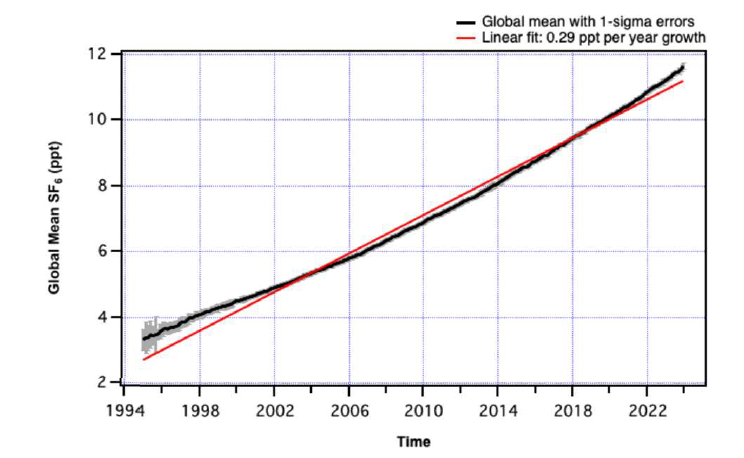
Figure 1 - Global SF6 Concentration
(Global Monitoring Laboratory, 2024)
Furthermore, a technical paper produced by Dervos and Vassiliou (2000, p. 140) affirmed these discoveries by affirming that “The environmental risks strongly dictate that improved handling procedures and innovative designs of GIS constructions will have to be adopted to minimise leaks to the atmosphere”.
Data from Kaynes (2024) discloses how over 14 tonnes of SF6 is lost annually from HV Transmission Switchgear. Christophorou et al. (1997) also disclose that the UNFCCC raised major environmental concern in 1992 surrounding SF6 subsequently leading to the gas being listed in the Kyoto Protocol as part of the 6 categories of greenhouse gases (GHG’s) in 1997. Dullni et al. (2015) produced a paper which effectively synthesises the need to enact upon the demands of the industry alongside the revision of the latest revision of the European F-gas regulation (Regulation (EU) 517/2014) in that period. Though an excellent insulating medium, the advances in research have contributed to the industry’s current awareness of SF6 being a significant threat to the atmosphere.
2.2. Properties of SF₆
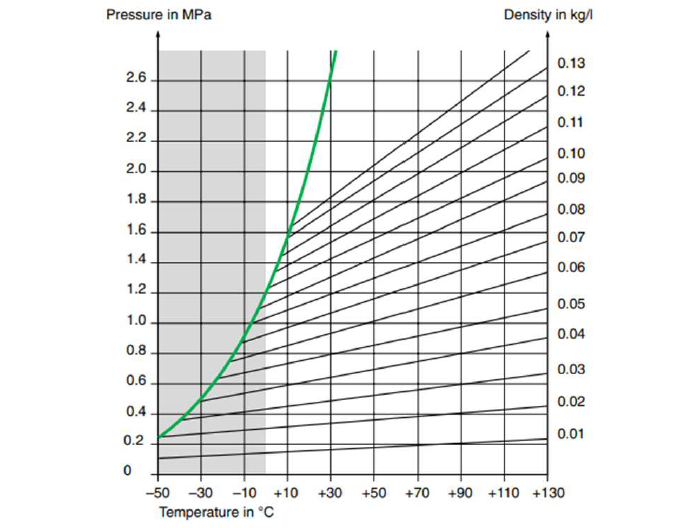
Figure 2 - Vapour pressure curve and equivalent gas density of SF6
(Koch, 2003, p. 6. Fig. 3)
With Sulphur Hexafluoride being so potent to the atmosphere, organisations (Ohler and MahdiZadeh, 2023) have sought to research the true properties of the compound which will inevitably impact the industry. Koch (2003) instigated research aiming to understand the qualities and weaknesses of the gas. Within the publication, areas relating to both physical and chemical properties of SF6 were considered whilst also drawing attention to the harmful nature of the gas. Koch further presents the striking characteristics of the compound and its performance under changing environments through the visual of figure 2. This data not only underpins its effectiveness as an insulating medium but also highlights the parameters that influence its safe handling and application. Figure 2 illustrates these characteristics, providing a clear visual representation of how SF6 performance is influenced by temperature and pressure variations.
Similar comprehensive studies from an OEM perspective align with much of the current contemporary research assisting to provide an accurate representation of the compound. To date, numbers of studies and tests have been executed across all platforms (LV, MV, and HV) showing a great deal of success. It is however these higher voltages which bring the biggest concern due to a prioritisation of the larger volumes of SF6 which have the strongest potential for contributing to the environment (Barnett, 2025).
2.3. Transition to SF6 free alternatives
To assist in the creation of an SF6 free grid, industry institutions (such as IEEE and CIGRE) have been at the forefront of producing high standard literature providing a thorough analysis of the industry’s movements into an SF6 free age. Past research has considered the overall lifecycle of switchgear (Palumberi et al., 2018; Perret et al., 2023) whilst also analysing what the future of the GIS market will be post SF6 (Venna, Luis and Wolfrum, 2023). Papers covering the new technology have also investigated numerous aspects such as, the reliability of alternative gases (Laso et al., 2023), life prediction technology for modern switchgear (Zhang et al., 2024), and asset management methods for the grid (Zhou et al., 2023). With many of the products now available on the market, manufacturers are well through the process of undertaking the critical studies to evaluate the effectiveness and performance of these SF6 alternatives.
Aside from environmental concerns, a key paper published in 2024 by Pinto et al. on behalf of the Portuguese equipment manufacturer EFACEC compared a switchgear design on a purely SF6 based insulating medium with a recently developed SF6 free alternative of similar specification. Upon analysing such studies, it became evident that the publication was directed at a technical standpoint at a production level mainly considering mechanical properties and performance of the two variants.
2.4. Regulatory changes
Organisations such as the IEEE and the International Electrotechnical Commission (IEC) establish international standards and testing procedures which provide the framework within which manufacturers can design and validate SF6-free equipment. They assist in supporting safety and reliability (Cambridge Sensotec, 2024), however while their guidance facilitates and ensures compliance with the standard of the organisation, it is not legally enforceable. Boychev (2021) effectively summarised the current position of the industry and the applicable regulation to HV electrical equipment. His data presented legislation, standards, and necessary compliance relevant to the time. However, since then, a significant shift in regulation has occurred. The widespread awareness of the significant impact which SF6 poses to the environment, and its major global warming potential, helped lead to the publication of the European Union F-gas Regulation (Regulation (EU) 2024/573). From these changes, it is clear that up to date research must be completed.
Within the EU, F-gas regulations have been involved in a series of revisions over the past decades starting with the 2006 regulation, strengthened in 2014, and further revised in 2024 with Regulation (EU) 2024/573, aiming for a phased reduction and eventual phase-out of HFCs by 2050 (European Partnership for Energy and the Environment, 2024). A rigorous evaluation of the regulation revealed that the major change is the timeline instructing how all new products will begin phasing out of SF6 by 2032 as shown in figure 3.
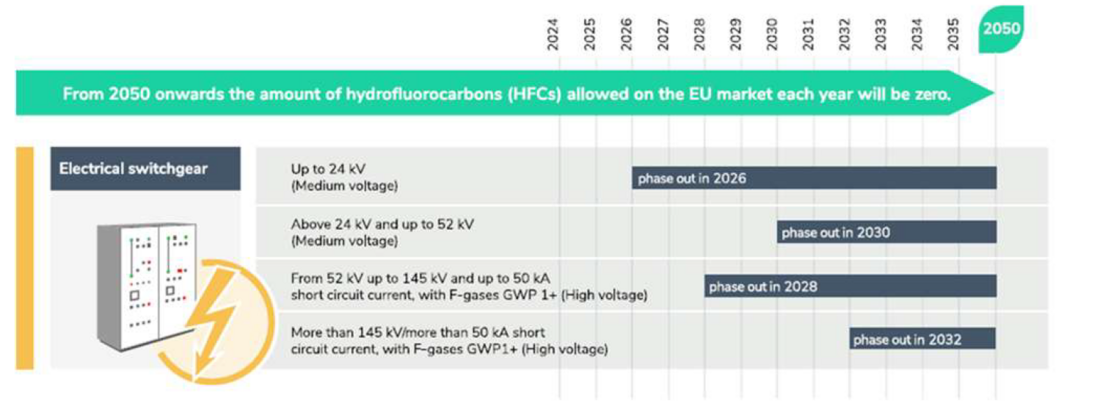
Figure 3 - Timetable for F-Gas phase out in the EU Market
(Environmental Coalition on Standards, 2024, p. 2, Fig. 1)
This phased reduction in fluorinated gases will not only impact the European market but shall indirectly influence the global industry. Great Britain’s use of SF6 no longer falls under the EU F-Gas regulation but is regulated under the UK Fluorinated Greenhouse Gases (F-Gas) Regulations 2018. With 4.1% of UK F-Gas emissions resulting from SF6 Switchgear (Department for Environment, Food and Rural Affairs, 2022), this emphasises how the transition to SF6 free switchgear is very relevant on a domestic level.
Under this legislation, SF6 is not subject to any phasedown mechanism and there are currently few incentives to move away from its use. To date, there has been no enforcing legislation banning the use of SF6 from GB switchgear (Kaynes, 2024), and although the regulation includes provision for regular review, it does not authorise or require any amendments. However, Parsons (2024) confirms that this recent change in EU regulations will undoubtedly ultimately influence switchgear operations in Great Britain and further abroad due to the large presence of EU based manufacturing.
Multiple research papers have arrived at similar conclusions regarding the timeline and feasibility of SF6 in high-voltage applications (Yedinak, Lentijo and Kizilyalli, 2023). Furthermore, emphasis was made on the urgent need to transition to alternative insulating methods due to the high GWP of SF6. Alongside the advancing regulatory pressures, minimising and mitigating the use of SF6 is felt necessary by the industry due to a lack of conclusive data to manifest the direct impacts arising from the strict, upcoming regulations around SF6-free GIS solutions.
While existing literature thoroughly explores SF6 alternatives from a technological standpoint, limited research has examined how stringent regulations influence market dynamics, cost implications, operational strategies, and longterm asset management for industry stakeholders. From an evaluation of the EU F-gas regulation, the principal distinction emerged as the reduction in the use of F-gases within electrical switchgear. By focusing on the broader consequences of SF6- free adoption, this study aims to contribute to a crucial void, providing insights into how evolving regulations will shape future industry practices and decision-making processes in high-voltage infrastructure.
3. Method
Correctly assessing the industry perspective and uptake of SF6-free switchgear alternatives, demands a mixed approach of both quantitative and qualitative elements. Before arriving at the conclusion that this form of research design is the most suitable, an initial analysis of the research objectives proved necessary. Alongside this, previous research and studies provided context to the most appropriate data collection methods.
3.1. Research Design
The first objective was suitably achieved in the reviewing of existing literature, to determine both the extent and any limitations of the current F-Gas regulations on a domestic and international level. The purpose of the primary data collection was then tailored around the remaining objectives seeking to gain further insight to the implementation of SF6-Free alternatives.
From these objectives (requiring an analytical approach), it became evident that a wide spread of results gathered would produce a stronger reflection of the industry’s standing. Furthermore, the quantitative element of the research sought to use numerical data results to identify patterns and trends which may be present in the HV industry. This aspect of research also enabled research questions to be gathered from a wide pool of industry professionals rather than one body or organisation who may have biased opinions. Such is summarised by Patten (2017, p. 2) when she defines how for certain data sets, questionnaires are straightforward to score in contrast with interviews which can be “difficult and time consuming to summarise and interpret”.
Alongside this, to compound the quality of the research, a smaller element of the study was purely qualitative based seeking to gain the detail of a number of individual’s experience operationally. Therefore, the blended approach of quantitative and qualitative was adopted to accomplish the desires of the research aim whilst giving a balanced perspective of the common industry view. Guidance from the Office for Health Improvement and Disparities (2020) described the advantages of carrying out research in a combined manner suitable to “provide stronger evidence and more confidence in your findings”. However, although noting that a mixed method of study can become more complex, the increased value is most beneficial in terms of response rate.
To help inform the direction and design of this research, reference was made to the European Commission’s report which highlights the development of SF6-free alternatives (Burges, Warncke and Gschrey, 2020). This report similarly adopts a mixed methods approach, bringing together both qualitative and quantitative data obtained through surveys and consultations with industry stakeholders, such as manufacturers and equipment users. By integrating numerical insights with practical, experience-based perspectives, the report offers a comprehensive understanding of the current landscape of SF6 alternatives. This combination of methods strengthens the validity of the findings and highlights the value of capturing both statistical trends and contextual industry viewpoints in research focused on HV switchgear. Many papers surrounding the topic of HV Switchgear take a different approach due to the focus on technical and experimental research to improve the switchgear functionality. However, where a more holistic view is taken, the balance of both qualitative and quantitative is necessary.
3.2. Limitations and Ethics
Due to circumstantial time constraints, and a restricted word count, the scope of the self-funded study was limited in the depths it could go. Because of this, the research carried out had to both achieve the objective whilst also giving a strong outline of the industry position. Moreover, the data received from manufacturers may present SF6-free alternatives in a more favourable light due to their natural bias and for commercial interests (Holman, Bero and Mintzes, 2019). From a statistical perspective, the sample size of 65 respondents limits the extent to which the findings can be generalised across the entire industry, and the potential for sampling bias or nonrepresentative participation must be acknowledged. While the results provide useful insight into current perceptions, they should therefore be interpreted as indicative rather than definitive, with further large-scale studies needed to confirm wider industry sentiment.
Ethical concerns of the study were fully considered, taking an analytical approach to all potential parties involved in data collection alongside any sensitive information which may be gathered. As none such applied in this particular study, the design stages of the research became free of any major issues.
3.3. Data Collection
The collection of data comprised of 3 stages as briefly highlighted in previous sections. Initially, secondary data gathering was carried out to serve the purpose of retrieving any existing literature that had already been concluded (Dougal, 2018). By evaluating these reports and publications, a fair assessment could be made of the current position of the regulatory boundaries on SF6 switchgear.
Secondly, the mixed element of the primary data collection was executed in the form of an online questionnaire. Google Forms (Google, 2025) proved a most effective way to collect data in a simplistic manner whilst providing strong metrics for analysis. While solely conducting interviews may have been profitable to gain in-depth analysis, this form may have proven challenging to comparatively evaluate against another such interview of similar character. A study from (NHS England, 2018) similarly concluded that a clear and simplistic structure to a questionnaire will inevitably encourage more people to complete the questionnaire. Therefore, the formation of the questionnaire comprised a set of initial demographic questions to gain an insight into the area of industry, years of experience, geographic location, and sex of the respondent. These questions not only serve the purpose of giving a clear picture of who has participated but also give an understanding of how some demographic areas may bear key characteristics in further questions (Dobosh, 2017).
The questionnaire then moved to more tailored questions regarding knowledge of recent regulations, challenges of adoption, and the potential impacts of using SF6-free switchgear. The Funnelling Technique (Murray, 1999) was formed in a manner which posed general questions about the respondent’s industry knowledge before leading to more detailed and direct questions. This format also enabled the use of a variety of question forms such as multiple-choice options, Likert scale, and checkboxes to receive the balanced perspective of views on SF6-free switchgear uptake. The general focus and aim of the questionnaire were to those who possess a strong working understanding of GIS and the accompanying changes to the HV industry. In achieving this, the questionnaire was issued to a convenience sample of around 40 well known industry professionals. As requested, this led to a ‘snowball sampling’ (Naderifar, Goli and Ghaljaie, 2017) whereby respondents would then issue the questionnaire onto their known contacts to complete again and so on, etc. Alongside this distribution method, the links were published on multiple industry forums to increase visibility and provide more of an international response from varied respondents. This method was particularly beneficial when targeting the specific industry population and allowing respondents to easily share the questionnaire within their networks, rapidly expanding participation.
The final element of data collection was conducted in the form of an interview with an individual industry expert carrying many years of experience in the field of SF6-free switchgear. The purpose of this interview was to receive an understanding of the real challenges of adoption which were highlighted in the earlier questionnaire. The semi-structured interview broadly presented general findings brought from the questionnaire, generating dialogue which allowed for the flexibility to ask any follow up questions. This sequential use of both qualitative and quantitative data assisted in furthering the insight of the research, adding value to the data gathered.
3.4. Data Analysis
The data analysis sought to align with the mixed-methods approach. Questionnaire responses were analysed using descriptive statistics to identify trends, patterns, and the frequency of responses. Responses were interpreted by calculating metrics and response distributions to help gauge the overall attitudes. A recent paper (Kotronoulas et al., 2023) evaluating successful data management and analysis, concluded that statistics carry a twofold outcome. Descriptive statistics can produce direct information from the responses showing what is true of the dataset. Statistics can also be inferential which assist to analyse the connection between variables and arriving at secondary conclusions. This data was organised and evaluated using Microsoft Excel to generate visual representations such as charts and tables.
The semi-structured interview generated qualitative data, which was thematically analysed. The interview was transcribed verbatim, and a thematic coding process was applied to identify recurring themes and concepts. Codes were systematically grouped into overarching themes that aligned with the research objectives. This dual approach enabled a comprehensive understanding by triangulating numerical trends with deeper, contextual insights from an industry professional.
This mixed-methods approach assisted in successfully evaluating the impacts of the EU F-gas Regulation on high voltage switchgear operators. The questionnaire was used to gather broad industry perspectives, providing quantifiable data on awareness, preparedness, and anticipated challenges. The follow up interview complemented this by offering deeper insights into operational, technical, and regulatory concerns faced by key stakeholders.
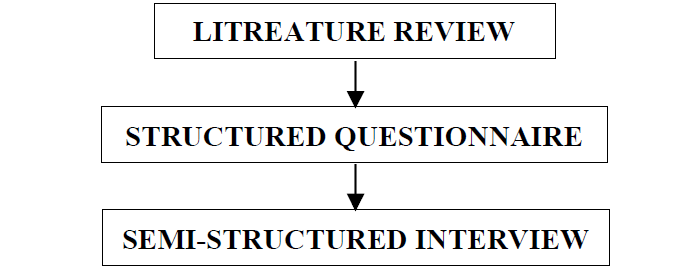
Figure 4 - Linear Flowchart of Research Methodology
Together, these methods allowed for a strong analysis which aligned closely with the research aim by capturing both measurable trends and nuanced professional experiences within the power transmission industry.
4. Data analysis and findings
This final section presents the findings and results of the research, based on a total of 65 responses collected through the distributed questionnaire, alongside the additional interview. The respondents represented a broad mix of disciplines, including TSO’s, manufacturers, regulators, and academic establishments, providing a diverse range of insights.
It was also beneficial to receive responses from professionals with both a mix of experience and of geographic location (Figure 5) which provided awareness of the varying perceptions within the industry at a global scale. This variety of backgrounds helped to strengthen the relevance and pertinence of the data, offering a well-rounded perspective on the topic under investigation.
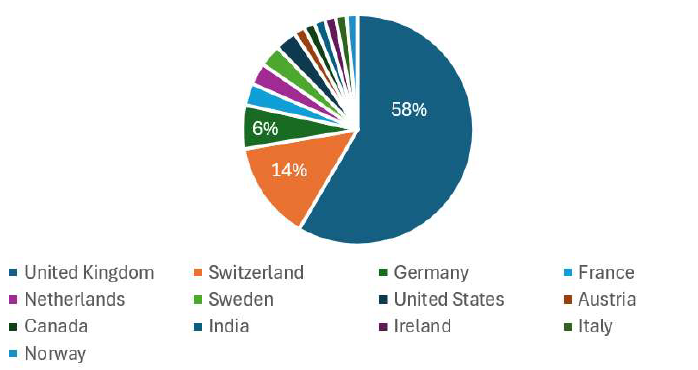
Figure 5 - Geographic spread of questionnaire respondents
4.1. Drivers for SF₆-Free adoption
With over 85% of respondents indicating that the transition to SF6 free switchgear was of utmost importance, it became evident that many feel the move from traditional switchgear is necessary. As respondents were able to select multiple drivers when providing answers, the data uncovered that concerns primarily centred around personal environmental concerns and sustainability goals at a corporate level. In addition, 68% of respondents attributed recent regulatory changes to the change in GIS technology.
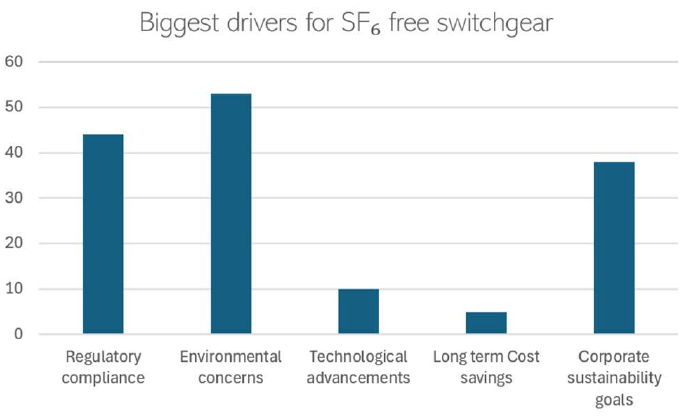
Figure 6 - Drivers for the adoption of SF6-free Switchgear
One respondent from an academic background concluded that “Technological advancements have enabled the corporate sustainability goals to be met, hence pressure from regulatory compliance has increased.” These metrics show the position of the industry, leading to the incorporation of SF6-free switchgear into the network.
4.2. Regulatory Awareness
With many identifying regulations as a key driver, this aligns with data showing that the majority of participants (80%) are aware of the recent changes to the EU F-Gas regulations; however, responses also highlighted a portion who remain unaware. Professionals in Engineering and Consultancy comprised a considerable share of those lacking awareness. Additionally, a small number of respondents from academic and research sectors also indicated unfamiliarity with the regulation. Notably, 84% of those who were unaware are based in the UK, which may suggest limited exposure to or engagement with recent EU regulatory advancements. These findings suggest that while awareness is growing, there remains a gap in understanding, particularly among those in more peripheral or less directly associated fields. It was also identified that many continue to remain uncertain about how ready the transmission industry is for compliance with the regulations as illustrated in figure 7.
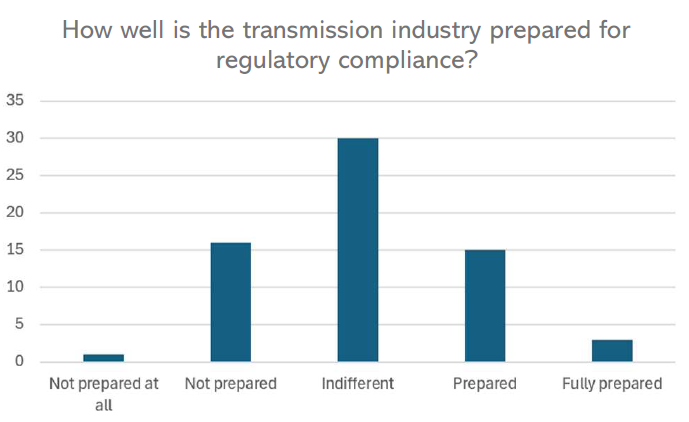
Figure 7 - Transmission industry preparedness for regulatory compliance
As one of the key critical elements of the recent regulation is the advancing timeline for the phasing out of F-Gases, it proved most advantageous to receive data regarding the reality of this operationally within the industry.
The direct results (see Figure 8) reveal that an equal 41.5% split of respondents took the view that the timings were either unrealistic or they their current understanding leaves them unsure. Investigating further, those who responded as “No” provided a variety of reasoning forming under areas such as,
- A colossal volume of supply and technology is needed to achieve regulatory compliance.
- Cost disadvantages for those who engage in early uptake, resulting in slower adoption.
- Existing SF6 framework contracts still awaiting renewal.
- Knowledge of service staff & handling equipment requires time to implement.
Positive responses received from the remaining portion of respondents affirmed that the timeline is both realistic and achievable. Justification gathered gave additional quality and insight to the background of the respondents reasoning.
- The regulation has included provisions and allowances for delays in technology, making the timelines flexible.
- If utilities and manufacturers make the transition a priority, it can be achieved.
- The phased element of the timeline shall allow OEM’s sufficient time to develop F-gas free technology.
Overall, while the majority of the respondents are aware of the key regulatory changes, there are some clear gaps that remain to be filled, particularly with those based in the UK. There are many interpretations on SF6 phase out with some concerned about cost and availability while others feel that the flexibility and phased element will make the measures achievable. These results can illustrate something of the varied perspective of the industry which still contains a measure of unknowns.
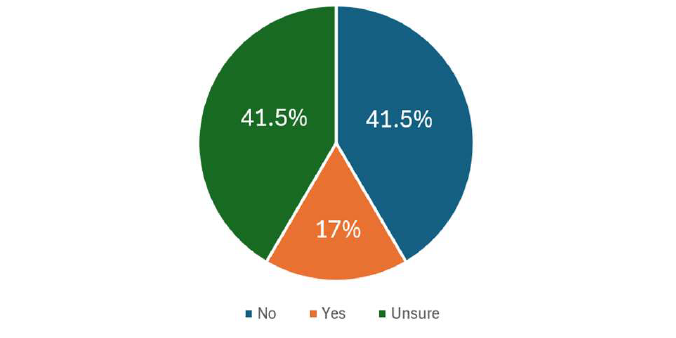
Figure 8 - Is the EU F-Gas regulation timeline realistic?
4.3. Impacts of SF₆-free adoption
Upon building a picture of the regulatory understanding, an assessment of the impacts from adopting SF6-Free systems can be conducted. One of the main areas which arose in this aspect of the questionnaire and strongly aligned with literature consulted, was the impact on cost. Polaris Market Research (2024) concluded that larger initial investments, expensive materials, and a more technical design will result in higher cost.
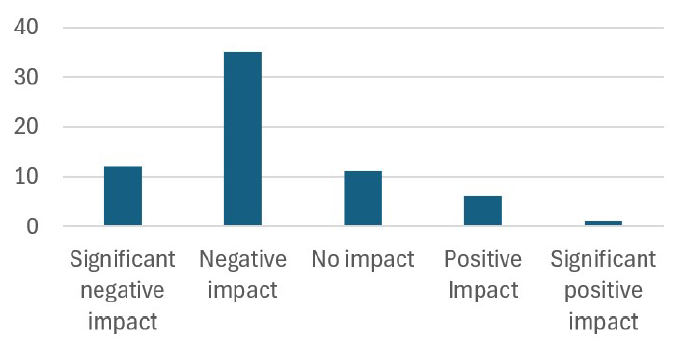
Figure 9 - Impact of SF6-free GIS on the cost of switchgear
Figure 9 illustrates that the majority of those represented (72%) sense that SF6-free GIS alternatives have a negative impact on both the immediate and long-term cost of the products. With only 7 respondents indicating a positive impact on this area, it is clear that the capital expenditure (CAPEX) of SF6-free variants will inevitably be more costly than SF6 GIS.
As concluded by Elfving, Tommelein, and Ballard (2002), the timings and project planning aspect of Switchgear development can become challenging to manage with regular prolonged lead times. Findings gathered as part of the research suggest that a transfer to SF6-free alternatives would have little impact on the overall installation and commissioning timelines. Only 11% of respondents indicated that the changes would impact positively on the programme whilst the majority responded that timings would be negatively affected or have no real impact either way. This perception may stem from the technology still being in its early stages of release, alongside the more complex operational procedures required for handling alternative gases. Nevertheless, the data ultimately indicates a general consensus that the transition may not yield clear positive benefits for the programme at this stage.
Data received also indicates that maintenance is perceived as a key drawback in the early adoption of SF6-free Switchgear. With almost half reporting increased complexity or cost, there is an evident concern about the operational liabilities introduced by the new technology. The relatively small proportion of positive responses highlights a potential gap with industry readiness or mechanisms for upkeeping the alternative technology.
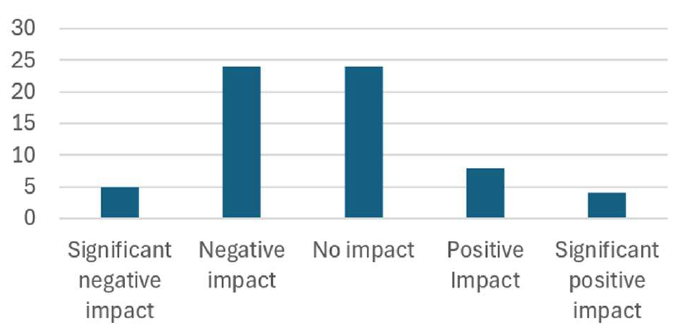
Figure 10 - Impact of SF6-free GIS on the maintenance of switchgear
Maintenance of SF6 free switchgear introduces many new operational challenges, as utilities have limited long-term experience with the behaviour of alternative gases used in the field. This creates uncertainty around equipment reliability and increases perceived operational liability, since untested maintenance processes may lead to higher risk of failures or unexpected downtime compared with the well-established practices used on an SF6 based system. It is also observable that the strong ‘no impact’ response may suggest that these challenges could be just transitional views in the early years rather than a universal industry position.
The impact of this transition on health and safety during installation and operations, is largely viewed as neutral to beneficial on industry practices. As only 18% expressed concerns of a negative impact of health and safety, the overall perception leans towards an optimistic outlook in this area. Despite industry improvements, concerns over health and safety will always be prevalent. However, indications are revealing that tighter regulations and the shift to revised technology shall be an improvement to the way substations are both constructed and managed.
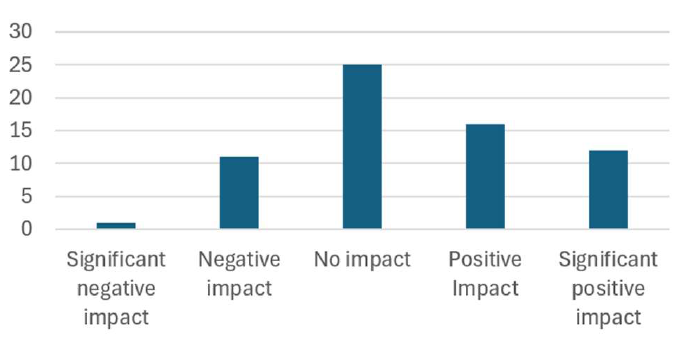
Figure 11 - Impact of SF6-free GIS on Health and Safety
Furthermore, despite an absence of long-term data on the lifetime performance of SF6-free GIS technologies, the survey results also provided valuable insights into the perceptions of reliability and performance.
As shown in Figure 12, the majority of respondents (over 40) considered the performance of SF6-free GIS to be equivalent to that of conventional SF6 systems, with a smaller proportion perceiving it as either better or worse. This suggests that, while proven lifetime data are not yet available due to the relatively early stage of implementation, there is already a level of confidence among stakeholders that reliability is not significantly compromised.
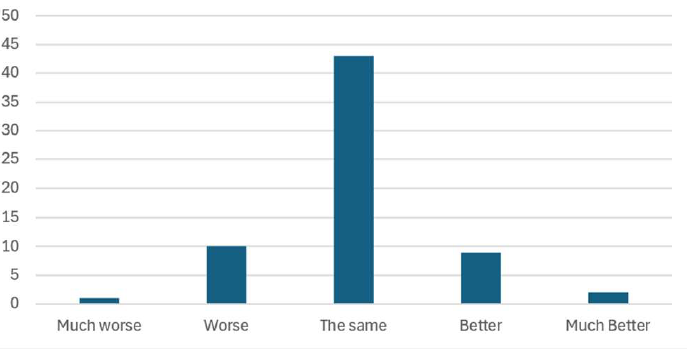
Figure 12 - Reliability and Performance of SF6-Free GIS against SF6 GIS
However, the lack of weighted quantitative evidence means that uncertainties remain, particularly regarding how these systems will perform under long-term operational stresses.
Undoubtedly, the strengthening of regulations shall influence the industry’s manner of operating; however, this research may also enable specific areas of impact (cost, programme, etc.) to be considered in more depth, helping to project and manage any effects of the changing industry.
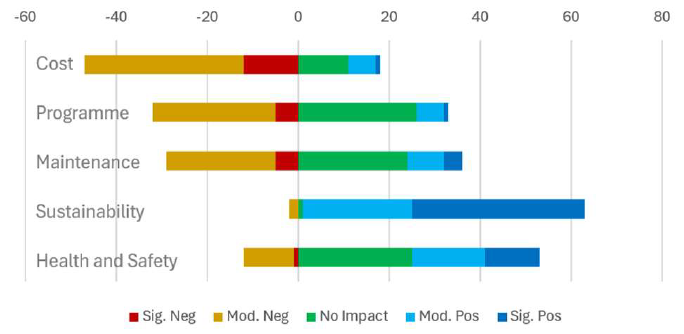
Figure 13 - Impact of SF6-free GIS on key areas
4.4. Challenges of SF6-free adoption
Inevitably, legislation passing from the European commission’s regulatory enforcement has led to any concerns being amplified due to the imminency required of SF6-free implementation. Within the questionnaire, this area was left for qualitative data in the form of an open text box which led to responses which were thematically analysed. Responses fell broadly into 3 main themes: technical performance, availability, and training.
4.4.1. Technical Performance
Although extensive study has been conducted on the technical and physical aspects of SF6-free GIS, the questionnaire data highlighted current concerns in several key technological areas of the switchgear, namely:
- The longevity and endurance capabilities of technical gas mixtures, potential pressure influxes, etc.
- Physical size restrictions of natural origin gas systems such as N2, O2 & CO2
- The difficulty of achieving full compliance with the EU F-gas Regulation, as some of the most technically advanced alternatives still rely on fluorinated gases.
- The opportunity to analyse long term behaviour is limited due to the early stages of implementation.
- Meeting the IEC and IEEE requirements for 400 kV and 550 kV systems can be particularly challenging in regions such as Sweden, where conditions can reach -40°C.
4.4.2. Equipment Availability
Many of the responses also focused on challenges surrounding the equipment availability making targets and regulations less achievable. With many asset owners and operators seeking to simultaneously develop grid capacity whilst shifting to SF6 alternative technology, this leaves an increasing demand for GIS products across many voltage applications. A summary of the main challenges in this key area is presented below:
- Limited availability of SF6-free HV Primary Plant equipment is causing projects to revert to conventional technology to meet deadlines.
- Reduced product availability across all voltages and specialist applications.
- Ensuring that a stable supply of new insulating gases is continually available and at a reasonable cost.
4.4.3. Operative Training
While there are no significant mechanical modifications in the switchgear itself, many in the industry note that operational aspects (particularly in management and gas handling) can present greater challenges. Limited user experience with the new technology has resulted in knowledge gaps regarding its effective operation. These aspects are categorised as follows:
- Senior utility personnel are aware of changes, however poor communication leaves maintenance teams unaware.
- As each OEM has differing technologies, installation and upkeep processes are challenging.
- Filling & maintaining the gas mixture can be more complex than SF6 due to varied compounds for each application and product brand.
- Qualification of the operating personnel to carry out the gas handling correctly, is fewer than that for SF6 operatives.
4.5. Expert Interview
The interview conducted with Mattt Barnett (lead principal engineer in electrical plant from SSEN Transmission) provided excellent qualitative value to understanding and consolidating the challenges faced by major TSO’s involved in the transition to SF6-free HV Switchgear. Gaining the practical insight into the real-world challenges of adopting SF6-free switchgear is important to strengthen the conclusions/findings from the questionnaire.
When questioned regarding equipment availability, it was acknowledged that SF6 alternatives are still relatively immature in their development phase which echoes broader concerns shared across the industry. For 132 kV (145 kV) applications, there is almost complete coverage in the market for both Circuit Breakers and for GIS from multiple manufacturers. As regards the higher bracket of voltage, which is widely used in Europe, 400 kV (420 kV), there are products available from a limited number of manufacturers. As manufacturers pursue varying approaches to insulation technologies, the availability of alternatives differs significantly. Technical gas mixtures (C4FN) are readily available at 400 kV (420 kV) whilst natural origin gases (O2, CO2, etc.), with a GWP of zero, are still yet to be available on the market. Although their release is anticipated in the coming years, a key challenge lies in sustaining current project delivery timelines while the necessary products are still undergoing development.
In niche applications, such as specific voltage levels (e.g., GB 275 kV) or specialised mechanical functions like control switching and AIS circuit breakers, any suitable SF6-free products are currently unavailable on the market. This observation, which was noted in questionnaire responses, was clarified during the interview. Global manufacturers are prioritising development efforts toward high-demand segments, particularly those involving the largest market shares and gas volumes in GIS applications.
The interview findings revealed that there still remains some uncertainty regarding long-term performance across the SF6- free product's lifespan. Similar to the early adoption of SF6 technology 40/50 years ago, time and continual development are necessary to demonstrate the reliability of GIS products. Although manufacturers have conducted extensive development testing in line with industry standards, concerns persist about the long-term stability of gas mixtures. The approach, along with other major TSOs, is to “acknowledge those risks and mitigate them” (Barnett, 2025), thereby supporting a resilient transition toward SF6-free GIS solutions.
Concerns around training and operational awareness are justified, as SF6-free systems involve greater complexities due to the use of multiple gas types. This introduces a higher risk for human error compared to systems using a single insulating medium. Variations in gas mixtures, their specific ratios, and temperature-dependent behaviour can all contribute to operational challenges (Seeger et al., 2017). Even handling pure gases, such as CO2 or O2, can pose significant safety risks if not managed correctly. However, various engineering controls using different types of filling points, colours, labelling alongside increasing general staff awareness are some of the measures adopted to help mitigate user error in these areas. As the interviewee noted, 'there is still a long-term risk about the stability of the gas mixture,' reinforcing the need for cautious and informed implementation. Nonetheless, the industry has made notable progress in recent years, with SF6-free equipment and specialised training programs becoming increasingly accessible. Although many gas insulated systems are becoming more complex and involving, the increasing availability of targeted training and support offers a practical pathway forward. This is important to observe as it enables the industry to transition away from SF6 rather than remain dependent on it.
5. Conclusions and recommendations
5.1. Conclusions
This study set out to evaluate the impacts of the European Fgas Regulation (Regulation (EU) 2024/573) on high-voltage switchgear operators, with a focus on the transition away from SF6. Against the backdrop of tighter regulation and increasing pressure to decarbonise the power sector, this research explored how the industry is responding to the demands of SF6-free technology.
The findings revealed a strong consensus on the importance of adopting SF6 alternatives, driven by sustainability targets and the new upcoming EU F-Gas regulation requirements. However, the transition is not without challenges. While awareness of the regulation is generally high, there are gaps remaining, especially in certain roles and geographic regions.
Direct impacts were also assessed giving indication that areas such as cost and maintenance may be negatively affected due to the early stages of technology. However key positive impacts of the transition were noted from aspects of sustainability and health and safety. The availability of suitable equipment, particularly for higher voltage ranges and specialised applications, continues to fall behind demand. This was reiterated both in the questionnaire and the expert interview, which highlighted that manufacturers are mainly focused on high-volume, larger GIS markets, leaving minor applications disadvantaged.
The findings suggest that with strategic alignment between manufacturers, utilities, and regulators, the transition can be both achievable and beneficial for the long term. This research has highlighted that both support and training are necessary to inform the industry of the regulation alongside upskilling staff on the new technology. To ensure regulatory compliance, financial schemes or partnerships may be worthwhile to incentivise the industry in the coming years. It is vital that any future adoption strategies incorporate a flexible yet proactive approach to balance the regulatory pressure with practical implementation.
One anonymous questionnaire respondent aptly summarised the regulation’s importance by stating that its purpose ‘is necessary to push the boundary of the technologies: that's the breath of progress.’ The EU F-Gas Regulations will present challenges, but new technologies will undoubtedly impact the industry, and the process will help to redefine the electric grid more sustainably.
5.2. Areas for further research
While viewing SF6-free switchgear is important, other aspects of the industry such as PFAS and sustainable material sourcing are worth notable consideration. Furthermore, as the SF6-free GIS market continues to develop, further research will be essential to monitor long-term performance, assess economic impacts, and refine implementation practices.
While revealing the broader opportunities for potential future studies, this research also highlights specific areas, including project costs and program timelines, where the impact of this study's findings has been shown to be negative. The challenges raised could also be developed in much greater detail through methods such as case study comparisons and operational based research. These areas could be further analysed leading to a deeper understanding of the industry challenges and enabling a smoother transition to SF6-free alternatives.
Acknowledgment
I am grateful to my supervisor, Dr Michael Dignan, for his feedback and strong level of support throughout the progress of this research. His expertise, and ability to challenge my thinking helped shape this work and guided it to completion.
I would also like to thank Dr Michele Victoria, whose role as module coordinator has really benefitted my academic journey. Her consistent encouragement and pointers have pushed me to approach my research with greater depth and clarity, helping to refine my research and overall output.
My appreciation also goes to Matt Barnett, Lead Principal Engineer at SSEN Transmission, for generously offering his time and industry perspective. His professional insight significantly enhanced the practical relevance of this study, bringing a real-world dimension to the academic findings.
Finally, I wish to thank all those who were willing to take the time to participate in the questionnaire. The contributions provided valuable data and perspectives which were critical to the research. Without their engagement, this study would not have been possible.
References
- Adcock, A., and Walker, A. (2024) Delivery of electricity grid upgrades. London: House of Commons Library
- Alstom (2015) Alstom unveils world’s first high-voltage equipment designed to use g3 - SF6-free gas at Hanover Fair. Available online (Accessed 22 Apr. 2025).
- Barnett, M. (2025) 'Interview with Matthew Barnett’ Interviewed by Michael Strachan, 10 April
- Billen, P. et al. (2020) ‘Replacing SF6 in Electrical Gas-Insulated Switchgear: Technological Alternatives and Potential Life Cycle Greenhouse Gas Savings in an EU-28 Perspective’, Energies, 13(7), p.1807. Available
- Boychev, B. (2021) ‘Current regulations for gas-filled electric power equipment’, 13th Electrical Engineering Faculty Conference (BulEF), pp. 1–4. Available
- Burges, K., Warncke, K. and Gschrey, B. (2020) Briefing paper: SF6 and alternatives in electrical switchgear and related equipment. Brussels: The European Commission
- Cambridge Sensotec (2024) Benefits & challenges: The evolution of SF6-free switchgear. Available online (Accessed: 22 April 2025).
- Christophorou, L.G. et al. (1997) ‘Sulfur hexafluoride and the electric power industry’, IEEE Electrical Insulation Magazine, 13(5), pp. 20– 24. Available
- Cui, Z. et al. (2023) ‘Recent progresses, challenges, and proposals on SF6 emission reduction approaches’, Science of The Total Environment, 906, pp. 167347. Available
- Department for Environment, Food and Rural Affairs (2022) F gas regulation in Great Britain - Assessment report. London: Department for Environment, Food and Rural Affairs
- Dervos, C.T. and Vassiliou, P. (2000) ‘Sulfur hexafluoride (SF6): Global environmental effects and toxic byproduct formation’, Journal of the Air & amp; Waste Management Association, 50(1), pp. 137– 141. Available
- DILO (2024) What Is SF6 Gas and Where it is Used? Available online (Accessed: 30 August 2025).
- Dobosh, M.A. (2017) ‘Survey: Demographic questions’, The SAGE Encyclopaedia of Communication Research Methods [Preprint]. Available
- Dougal, H. (2018) Secondary Data Analysis. London: University College London
- Dullni, E. et al. (2015) ‘Reducing SF6 emissions from electrical switchgear’, Carbon Management, 6(3–4), pp. 77–87. Available
- Elfving, J., Tommelein, I. D. and Ballard, G. (2002) Reducing lead time for electrical Switchgear. IGLC 10, Gramado, Brazil
- Energy Networks Association (2015) Environment Briefing – Sulphur Hexafluoride. London: Energy Networks Association
- Environmental Coalition on Standards (2024) Blueprint for an F-gasfree future: The EU’s new F-Gas Regulation. Brussels: Environmental Coalition on Standards
- European Partnership for Energy and the Environment (2024) New FGas regulation – A guide for producers and users of F-Gases. Brussels: European Partnership for Energy and the Environment Global
- Global Monitoring Laboratory (2024) Global Sulphur hexafluoride (SF6) Concentration Photograph. Available online (Accessed: 17 April 2025).
- Google (2025) Google Forms, Google forms: Online form builder | google workspace. Available online (Accessed: 22 April 2025)
- Hasegawa, T. et al. (1997) ‘Development of insulation structure and enhancement of insulation reliability of 500 kV DC GIS’, IEEE Transactions on Power Delivery, 12(1), pp. 194–202. Available
- Holman, B., Bero, L. and Mintzes, B. (2019) Catalogue of Bias, Catalog of Bias - Industry Sponsorship Bias. Available online (Accessed: 22 April 2025).
- Hoshina, Y. et al. (2000) ‘Dielectric properties of SF6/N2 gas mixtures on a full-scale model of the gas-insulated busbar’, IEEE Power Engineering Society Winter Meeting. Conference Proceedings, 3, pp. 2129–2134. Available
- Kaynes, M. (2024) Life after SF6 CIGRE A3/B3. London: Energy Networks Association
- Kieffel, Y. et al. (2016) ‘Green Gas to Replace SF6 in Electrical Grids’, IEEE Power & Energy Magazine, 14(2), pp.32–39. Available
- Koch, D. (2003) SF6 properties, and use in MV and HV switchgear. Grenoble, France: Schneider Electric
- Kotronoulas, G. et al. (2023) ‘An overview of the fundamentals of data management, analysis, and Interpretation in Quantitative Research’, Seminars in Oncology Nursing, 39(2). Available
- Laso, A. et al. (2023) ‘Life-expectance evaluation for SF6-free switchgear using C4-fn mixtures’, IET Conference Proceedings, 2023(6), pp. 4043–4048. Available
- Maiss, M. and Brenninkmeijer, C.A.M. (1998) ‘Atmospheric SF6: Trends, Sources, and Prospects’, Environmental Science & Technology, 32(20), pp.3077–3086. Available
- Meinecke, H. (1995) ‘High voltage gas insulated switchgear: An overview’, IEE Colloquium on GIS (Gas-Insulated Switchgear) at Transmission and Distribution Voltages, pp. 3–3. Available
- Murray, P. (1999) ‘Fundamental issues in questionnaire design’, Accident and Emergency Nursing, 7(3), pp. 148–153. Available
- Naderifar, M., Goli, H. and Ghaljaie, F. (2017) ‘Snowball sampling: A purposeful method of sampling in qualitative research’, Strides in Development of Medical Education, 14(3), pp. 1–6. Available
- National Grid (2025) What is SF6? Sulphur hexafluoride explained. Available online (Accessed: 22 April 2025).
- NHS England (2018) Writing an Effective Questionnaire. London: NHS England
- Office for Health Improvement and Disparities (2020) Guidance for a Mixed methods study. London: Office for Health Improvement and Disparities
- Ohler, C. and MahdiZadeh, N. (2023) EconiQ Technology Eliminating SF6 in High-voltage Switchgear and Circuit-breakers. Zurich, Switzerland: Hitachi Energy
- Palumberi, A.G. et al. (2018) ‘Life cycle assessment of a 132 kV gas insulated switchgear substation using LCA methodology’, 2018 AEIT International Annual Conference, pp. 1–6. Available
- Parsons, J. (2024) Life after SF6 [Conference]. IMechE HQ, London. 17 October.
- Patten, M.L. (2017) Questionnaire research: A practical guide. 4th edn. New York: Routledge.
- Perret, M. et al. (2023) ‘Analysing the environmental impacts of a 145 kV GIS over its complete lifecycle’, e & amp; I Elektrotechnik und Informationstechnik, 140(7–8), pp. 605–613. Available
- Pinto, S.M. et al. (2024) ‘Cradle-to-gate life cycle assessment comparison between two switchgear designs: Eliminating SF6 gas under European legislation’, Environmental Impact Assessment Review, 112, p. 107791. Available
- Polaris Market Research (2024) Gas Insulated Switchgear Market Size, Share, Forecast, 2024-2032. Delaware: Polaris Market Research
- ‘Regulation (EU) 2024/573 of the European Parliament and of the Council of 7 February 2024 on fluorinated greenhouse gases’ Official Journal L573, pp. 1-67.
- Rinsland, C.P. et al. (1993) ‘Atmos/Atlas 1 measurements of sulfur hexafluoride (SF6) in the lower stratosphere and Upper Troposphere’, Journal of Geophysical Research: Atmospheres, 98(D11), pp. 20491– 20494. Available
- Seeger, M. et al. (2017) Recent development of alternative gases to SF6 for switching applications. Paris, France: CIGRE. Reference Paper RP_291_1 available online
- Stocker, T. (2013) Climate change 2013: the physical science basis: Working Group I contribution to the Fifth assessment report of the Intergovernmental Panel on Climate Change. New York: Cambridge University Press.
- Straits Research (2024) Switchgear Market Size, Share & Growth Report 2032. Maharashtra, India: Straits Research
- The Fluorinated Greenhouse Gases (Amendment) Regulations 2018 (SI 2018/98). Available online (Accessed: 18 April 2025).
- United Nations (1997) Kyoto Protocol to the United Nations Framework Convention on Climate Change. Kyoto, Japan: United Nations
- Van Sickle, R.C. and Yeckley, R.N. (1965) ‘A 500-kv circuit breaker using SF6 gas’, IEEE Transactions on Power Apparatus and Systems, 84(10), pp. 892–901. Available
- Venna, K.R., Luis, C.L. and Wolfrum, F. (2023) ‘F-gas free switchgear - a real alternative to SF6 gas insulated switchgear’, 2023 IEEE Power & amp; Energy Society General Meeting (PESGM), pp. 1–5. Available
- Widger, P. and Haddad, A. (2018) ‘Evaluation of SF6 leakage from gas insulated equipment on electricity networks in Great Britain’, Energies, 11(8), p. 2037. Available
- Yedinak, E., Lentijo, K. and Kizilyalli, I.C. (2023) ‘Eliminating SF6 from switchgear’, Power Systems, pp. 409–427. Available
- Zhang, Z. et al. (2024) ‘Research on the remaining life prediction technology of environmentally friendly gas switchgear based on approximate dynamic programming’, Frontiers in Energy Research, 12. Available
- Zhou, N. et al. (2023) ‘A systematic review for switchgear asset management in power grids: Condition monitoring, health assessment, and maintenance strategy’, IEEE Transactions on Power Delivery, 38(5), pp. 3296–3311. Available